Here's the thing nobody talks about
You don't need more time. You need permission to take it.
When intimacy starts to feel rushed—like you're fitting sex into a 15-minute window before work, or you're performing because your partner's ready and you don't want to disappoint—the first casualty isn't pleasure. It's presence. Your nervous system goes into problem-solving mode instead of receiving mode. And that's nearly impossible to come back from with willpower alone.
The second thing that happens? Performance pressure kills arousal. You're watching yourself from outside your body, monitoring whether you're getting there fast enough, whether you're responding the right way. That self-consciousness is the opposite of what your body needs to actually feel stimulation.
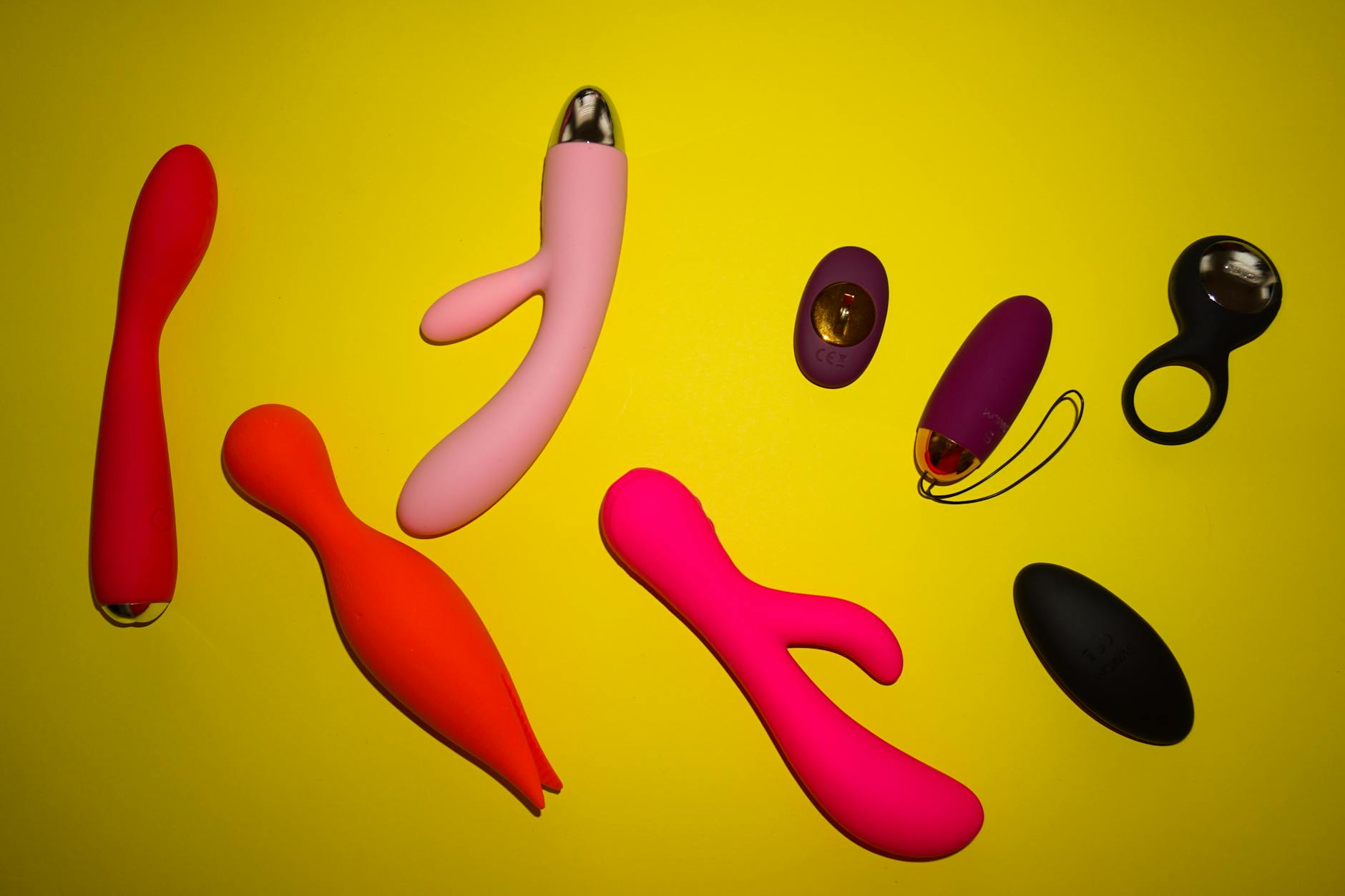
Here's the plot twist: lemon vibrators—specifically clitoral vibrators like the Lemon Clitoral Vibrator—are not about speed. They're about reclaiming control. They're about knowing exactly what you need, delivering it consistently, and building arousal on a timeline that belongs to you.
Why pressure actually rewires your nervous system
When you have sex under time constraints or while monitoring your partner's needs, your brain is in sympathetic mode—that's fight-or-flight territory. Your nervous system is scanning for threats: "Will I take too long? Am I doing this right? Is he/she/they getting bored?"
In that state, blood flow pulls away from your genitals and into your muscles. Your clitoris becomes less sensitive. Your pelvic floor tightens instead of relaxing. All the biological machinery for pleasure basically locks down.
The longer this pattern repeats, the more your body learns to associate sex with performance anxiety instead of relaxation. Some people develop genuine difficulty with arousal or orgasm not because anything is physically wrong, but because their nervous system has learned that sex equals pressure.
That's reversible. But it requires a deliberate shift.
Why clitoral stimulation changes the game when you're rushed
The clitoris doesn't care about your schedule. It cares about consistent, focused stimulation—and it responds fast when the pressure to perform is gone.
Here's the neurology: your clitoral glans has about 8,000 nerve endings concentrated in a tiny surface area. That density means precise, sustained stimulation triggers a direct pathway to pleasure without requiring the long build-up that penetrative sex sometimes demands. A good lemon vibrator—especially air-suction designs that use gentle pressure waves instead of direct vibration—can create that sensation in 5-20 minutes of actual, unrushed attention.
The speed isn't the point. The point is that you can achieve genuine, embodied pleasure without needing 45 minutes, a partner's perfect timing, or the emotional bandwidth to perform. You just need consistency and permission to focus on yourself.
How to actually slow down when everything feels urgent
This requires a reframe. Slowing down is not about adding time to your day. It's about stealing 15 minutes and defending it fiercely.
Set a boundary, not a schedule. Tell your partner (or yourself, if you're solo): "I need 20 minutes where I'm not thinking about anything else." Not "I want us to have sex at 9 p.m. on Saturday." Urgency kills the whole point. Instead: "Tomorrow morning, after coffee, I'm taking 20 minutes for myself." Non-negotiable. Phone in another room.
Start with no goal. This is the hardest part for people who've been operating in performance mode for years. Your first priority is not orgasm. It's sensation. Touch yourself. Notice what feels good. Then introduce your lemon vibrator. Start on the lowest setting. The whole point is to be bored enough that your brain stops narrating and starts experiencing.
Use lube even if you think you don't need it. Pressure and anxiety actually make natural lubrication less reliable. Water-based lube removes one variable. It also signals to your nervous system: "This is intentional. This is for me."
Notice the difference between distraction and anticipation. Anticipation is sexy. (You're thinking about what comes next because you're engaged.) Distraction is not. (You're thinking about your to-do list or your partner's impatience.) If you catch yourself distracted, pause. Breathe. Come back to sensation. That pause is the work.
What pressure looks like in long-term partnerships
Most couples don't start out rushing intimacy. The rush builds. Someone initiates. The other person is in their head about the timing. Then both people are holding tension. Then it becomes a pattern where sex feels like a negotiation instead of a connection.
I see this a lot in my practice: one partner wants more frequent sex, the other partner has learned to dread it because it always feels like there's a clock ticking. The solution isn't scheduling more sex. It's removing the pressure from the sex that's already happening.
When you introduce a lemon vibrator into this dynamic, something interesting often happens. Suddenly you can have pleasure that's purely yours. You're not managing anyone else's needs. You're not watching yourself. And that reclamation of agency often naturally improves the overall sexual climate in the relationship because you're no longer coming to partnered sex already depleted.
Using lemon vibrators to reset your baseline
If you've been in a pressure-based sexual pattern for a while, your body needs practice experiencing pleasure without performance. That's where solo exploration comes in.
When you want to try them solo first, the goal is simple: learn what your body actually wants without an audience—literal or imagined.
Start small. A lemon clitoral vibrator is built for this. Find your setting. Build a rhythm. Breathe. Let yourself take 30 minutes if you want to. Let yourself need 10 minutes. There's no wrong answer because there's no timeline.
What your nervous system learns through this solo work is that pleasure is available, reliable, and doesn't require proving anything. That baseline shift ripples into everything else—partnered sex, the way you relate to your own body, your willingness to ask for what you actually want.
Bringing your timeline into partnered sex
Once you've reclaimed solo pleasure on your own pace, partnered sex gets easier. Not because your partner suddenly has more time (they probably don't). But because you've proven to yourself that you can access pleasure without rushing.
That changes how you show up. You might use your lemon vibrator with a partner. You might ask for more foreplay. You might say, "I need 15 minutes of just this, no pressure to come." These requests—which would have felt impossible when you were in performance mode—become natural when you know what good feels like.
Your partner will likely feel the difference too. Pressure is contagious. So is genuine pleasure. When you're actually present instead of performing, your partner can feel that. The whole dynamic shifts.
When to check in with yourself (and your partner)
If you've been operating in rushed, pressured mode for months or years, there's usually something worth examining underneath it. Sometimes it's logistics. Sometimes it's resentment that hasn't been addressed. Sometimes one person's needs have changed and that conversation keeps not happening.
A vibrator is a tool for pleasure, not a fix for relationship avoidance. If the pressure you're feeling is really about deeper incompatibility—different libidos, unresolved conflict, feeling unseen by your partner—that's worth talking through with someone. And yes, sometimes that someone is a therapist.
But if the pressure is mostly about logistics and performance anxiety? Reclaiming your own pleasure, on your own timeline, with a tool you control completely, is genuinely transformative.
FAQ: Pressure, Pace, and Pleasure
Can I use a lemon vibrator if I'm worried my partner will judge me?
This is actually the moment to have a conversation. Most partners aren't judging. They're often relieved. You taking charge of your own pleasure means less pressure on them to "deliver" an orgasm. Frame it honestly: "I want to explore what actually feels good to me, without pressure. This would help." Vulnerability usually invites support.
How long does it actually take to slow down after years of rushed sex?
Two to four weeks of consistent solo practice usually shifts something. You'll start noticing arousal building differently. You'll feel more present. The real reset takes longer—maybe three months of intentional, pressure-free pleasure before your nervous system fully recalibrates. But the change starts fast.
What if I can't seem to turn my brain off even with privacy and a vibrator?
That's not a failure. That's useful information. You're holding tension somewhere. Try one thing: set a timer for five minutes and just breathe before you touch yourself. No goal. Just breath. Then touch yourself—with or without a vibrator. Notice what your body is actually responding to. Slow is the whole point.
Can using a lemon vibrator alone make my partner insecure?
It might, if your partner's already feeling threatened by toys. When you want to explore with someone new, that conversation matters. But most of the time, when you explain that solo pleasure reduces your anxiety and actually improves your capacity for partnered sex, partners understand. Some even become more interested.
Is it selfish to take 20 minutes just for my pleasure?
No. It's maintenance. It's the same as a shower or coffee. You cannot pour from an empty cup. You also cannot experience genuine pleasure when you're in performance mode. Twenty minutes of real pleasure actually makes you a better partner—more present, less resentful, more connected.
What if my main issue is that my partner is always ready and I'm never in the mood?
That's often pressure manifesting as desire loss. When you reclaim solo pleasure first, you often find that partnered desire returns because sex stops feeling like a demand. Start there. Then, when arousal takes longer to build, the conversation becomes easier: "I actually want more foreplay and touch before we move toward penetration." That's a request from a place of knowing yourself, not from a place of obligation.
The real work
Pleasure under pressure is a myth. Your body doesn't work that way. Your nervous system doesn't work that way. What works is permission, consistency, and knowing that your pleasure matters enough to defend it.
A lemon vibrator is just a tool. But it's a tool that says: your body deserves focused, intentional attention. Your timeline matters. Your arousal is worth time. And you're worth the 20 minutes it takes to reclaim that.
That's the piece nobody talks about. And that's where everything changes.