Why Lemon Vibrators Feel Different After 40: A Complete Guide
Here's the thing nobody tells you: your body doesn't stop wanting pleasure after 40. It just gets pickier about how it receives it.
Around this age (give or take a few years), your skin gets thinner, your tissue becomes more sensitive, hormones shift, and the kind of direct vibration that worked at 28 can start feeling too harsh. That's not a bug. It's actually useful information. And it's exactly why lemon vibrators and suction-based clitoral stimulation devices like the Lem are having a moment right now.
I've worked with hundreds of people navigating this transition, and the pattern is always the same: they assume their pleasure is dimming when really their body is just asking for a different approach. Let me walk you through what's actually happening, why traditional vibrators might feel off now, and what lemon vibrators offer instead.
What's Actually Changing in Your Body
First, the science piece, and I'll keep it simple.
Estrogen levels drop as you move through your 40s and beyond. Testosterone (yes, your body produces this too) drops as well. These hormones affect skin thickness, tissue elasticity, and how your nervous system responds to stimulation. Your clitoral tissue becomes more delicate. The vaginal lining gets thinner. Recovery time between orgasms might shift.
Here's what doesn't change: your capacity for pleasure, your desire (though sometimes it takes a different shape), or your ability to experience intense, full-body sensation. Your brain is just as wired for arousal. Your clitoral nerves are still there, firing the same way. The issue isn't your body being broken. It's that the intensity level that felt right at 30 can feel too much at 45.
Why Traditional Vibrators Start to Feel Too Intense
Most traditional vibrators work through direct mechanical oscillation. They push against your tissue at high frequency, which is why they work so well for people with thicker skin and more robust tissue.
But if your skin has thinned, or if you're more sensitive now, that same mechanism can feel overstimulating or even uncomfortable. Some people describe it as too sharp, too much, or irritating after a few minutes. That's not you being broken. It's your tissue telling you it wants a different kind of input.
That's where lemon vibrators and suction-based technology enter the picture.
How Lemon Vibrators Work Differently
Lemon clitoral vibrators like the Lem use air-suction or pulse-wave technology instead of traditional vibration. Instead of pushing against your tissue, they create a gentle rhythmic vacuum sensation that feels like a combination of suction and pulsing.
What this means in practice: the Lem and similar lemon sexual toys stimulate your clitoral nerves without aggressive mechanical pressure. You get profound sensation without harshness. The feeling is often described as deeper, more enveloping, less surface-level.
For people over 40 with thinner tissue or heightened sensitivity, this is often a revelation. You're not losing pleasure capacity. You're just accessing it through a different doorway.
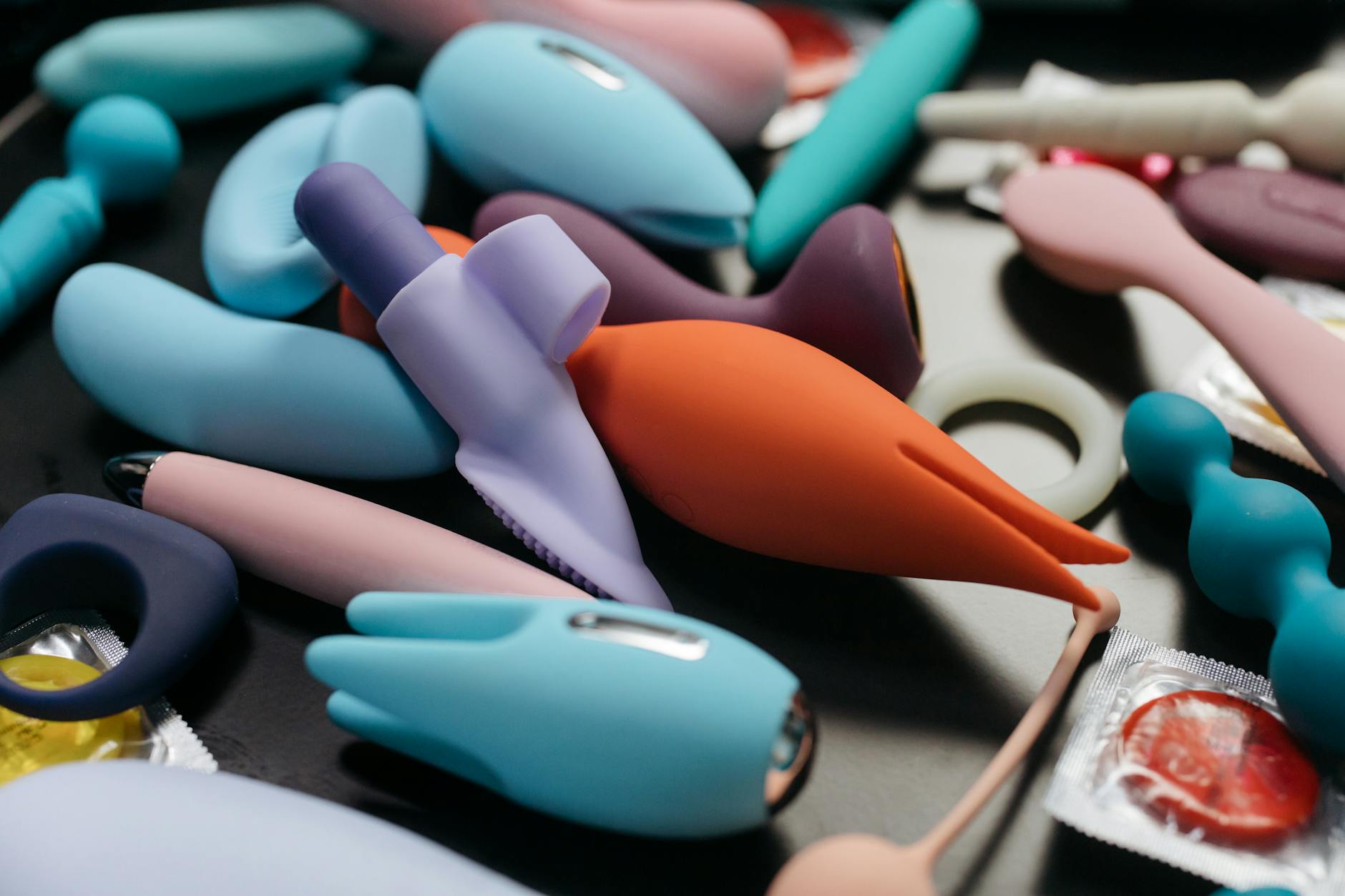
Photo by cottonbro studio on Pexels
The Sensitivity Question: Why Some People Actually Become More Sensitive
Here's a counterintuitive piece: while your tissue is getting thinner, you might simultaneously become more sensitive to sensation.
Thinner tissue means the nerve endings are closer to the surface. Your clitoris has around 8,000 nerve endings, and when the protective layers of tissue shift, those nerves can become more reactive. That can feel amazing, or overwhelming, depending on the type of stimulation.
This is why the gentle suction of lemon vibrators appeals to so many people in this age group. You get more responsiveness without the jarring sensation. Many women I work with say their most intense orgasms come now, but they need a different tool to access them.
What Longer Warm-Up Time Actually Means
Around 40, arousal can take longer to build. This isn't decline. It's physics.
With lower estrogen, your body produces less natural lubrication and your tissue takes a bit longer to increase blood flow to your genitals. That means jumping straight into intense stimulation doesn't work the way it used to. You might need 15 to 25 minutes of foreplay instead of 10.
But here's what almost nobody mentions: this longer warm-up period often leads to more pleasurable sessions overall. Slower, gradual arousal typically creates more sensitivity and deeper sensation. You're not losing anything. You're gaining depth.
Start with lower-intensity patterns on your lemon clitoral vibrator. The Lem, for example, has pulse levels you can adjust. Begin at level 1 or 2. Let your body wake up. You'll likely find that by the time you reach a higher level, your response is far more intense than if you'd started there.
The Lubrication Conversation
Thinner tissue also means less natural lubrication, or lubrication that dries faster.
This isn't about your body failing. It's about a simple physiological shift that's incredibly easy to address. Water-based lubricant becomes non-negotiable. Not because you're broken, but because it genuinely transforms the experience.
Use it generously. Reapply if you're having a longer session. And if you're using silicone toys, stick to water-based lubes only. Silicone lube can damage silicone toys over time.
Honestly, I'd argue that lubrication is one of the best gifts you can give yourself in this season of life. It's not a workaround. It's an upgrade.
Pelvic Floor Changes and What to Do About Them
Your pelvic floor muscles support your bladder, bowel, and uterus. Estrogen keeps them toned and elastic.
Lower estrogen means these muscles can become tighter, less flexible, or sometimes weaker depending on the person. Both extremes change how orgasms feel. Some people report shallower sensation. Others find they have less control over the muscles during arousal.
Two things help: Kegel exercises (controlled clenching and releasing of your pelvic floor), and equally important, learning to relax your pelvic floor completely. Many people hold tension here without realizing it, which actually dampens sensation.
Try this: spend a few minutes just breathing and consciously releasing those muscles before using your lemon clitoral vibrator. You'll likely notice a shift in sensation immediately.
Partnered Sex and Communication After 40
If you're with a partner, the conversation shifts around now.
Your body is different. Your pleasure needs might be different. What worked for years might need adjusting. The best thing you can do is name this openly. "My body is responding differently, and I want to explore what works now" is not a problem statement. It's an opportunity.
Many couples I work with find that introducing a lemon vibrator into partnered sex creates a breakthrough moment. It removes pressure from the partner to be "enough." It reframes pleasure as collaborative exploration instead of performance. And often, it rekindles genuine curiosity about each other's bodies.
Pleasure Doesn't Decline: It Transforms
Let me be clear on this one point.
Your capacity for pleasure after 40 is not diminished. It is different. And different often means better. Because by now, you know your body. You know what you want. You're less interested in impressing anyone. You've shed the performance anxiety that can actually block sensation.
That mental clarity alone changes everything. Add to it the right tool, a little lubrication, and a willingness to explore differently, and you're often accessing more intense, more satisfying pleasure than before.
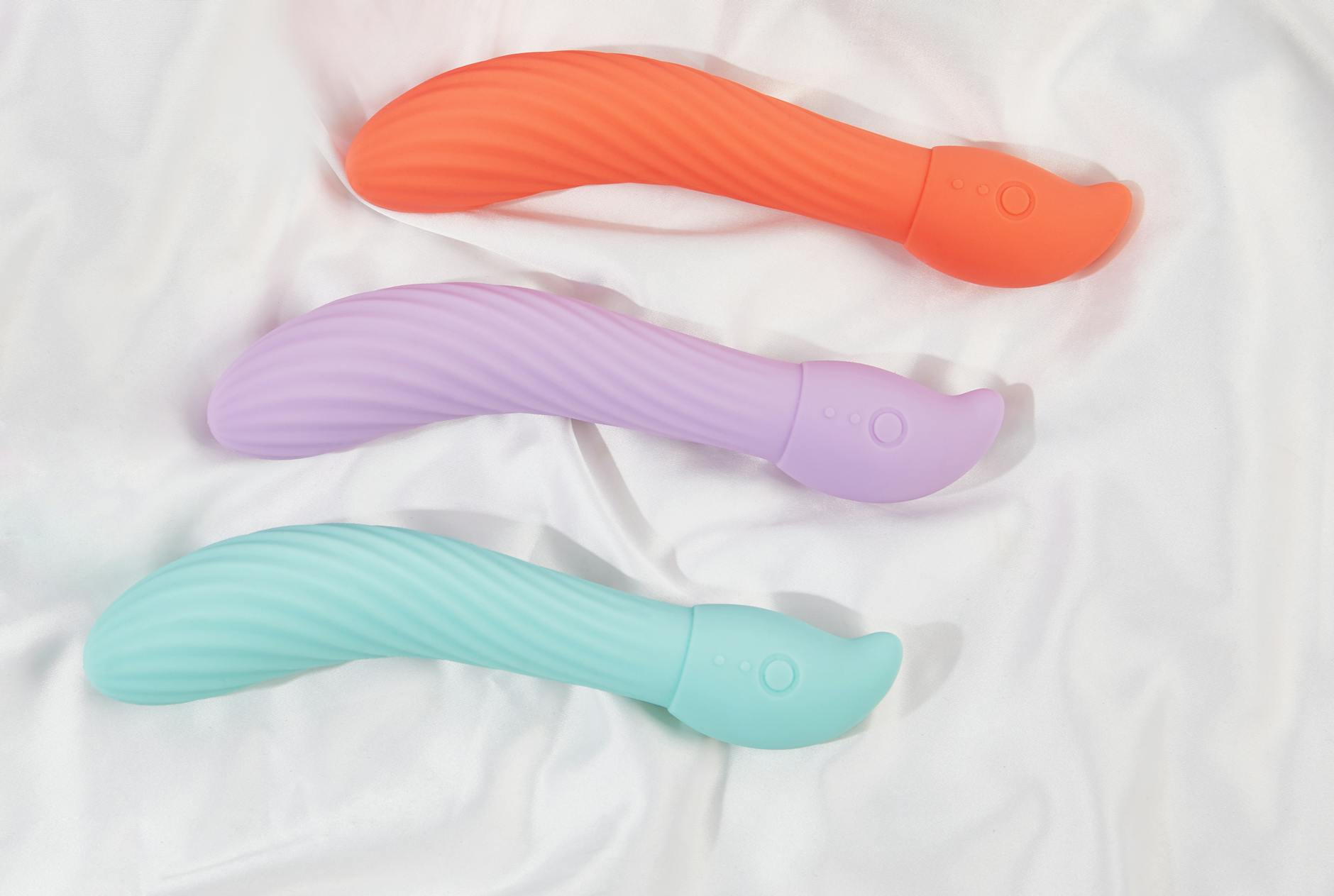
Photo by IFONNX Toys on Pexels
When to Seek Medical Support
If you're experiencing pain during sex, that's different than discomfort from intensity.
Pain signals something that needs attention. Genitourinary syndrome of menopause (GSM) is real and treatable, usually with topical estrogen cream. A few weeks of the right cream can completely change your experience.
If desire has completely vanished and isn't coming back, that's worth discussing with a GP or gynecologist who understands hormone shifts. Low testosterone is real, and it's treatable.
Same with mood changes, sleep issues, or hot flashes. These all affect sexual desire and arousal capacity. Getting support on these fronts often restores pleasure more than any physical adjustment.
Choosing Between Lemon Vibrators and Traditional Clitoral Toys
If you're trying to decide whether to switch to a lemon vibrator or stick with what you have, here's how I think about it.
Do you find traditional vibrators uncomfortable now, or too intense? Are you getting less sensation, not more, even at higher levels? Do you miss feeling like pleasure was easy and accessible? Try a lemon vibrator. The Lem and similar suction-based devices are specifically engineered for this shift.
If you're still happy with what you have and it's working, there's no need to change. Pleasure is personal. But if you've been assuming your body has lost capacity when really it just needs a different approach, a lemon clitoral vibrator might open a door you'd closed too early.
Frequently Asked Questions
Can you still have intense orgasms after 40 with the right lemon vibrator?
Yes. Absolutely. In fact, many people report their most intense orgasms come after 40. The difference is often that they require a different kind of stimulation and sometimes a longer build-up. Lemon suction vibrators are designed to deliver profound sensation without mechanical harshness, which many people over 40 find more satisfying than traditional vibration.
Why do lemon vibrators feel gentler than traditional vibrators?
Lemon vibrators use air-pulse or suction technology instead of direct mechanical oscillation. Instead of a motor pushing against your tissue at high frequency, they create a rhythmic vacuum sensation. For people with thinner or more sensitive tissue, this feels less intense but often more pleasurable because it stimulates deeper nerve pathways without surface-level abrasion.
How much lubrication do I actually need after 40?
Use it generously. Start with more than you think you'll need and reapply if you're having a longer session. After 40, natural lubrication often decreases, and that's completely normal. Water-based lube isn't a sign of decline. It's just part of your pleasure toolkit now. Many people find that adding lube actually increases sensation because you're not fighting dryness.
Does lower estrogen mean lower libido?
Not necessarily. Libido is complicated and involves desire, stress levels, relationship quality, sleep, and hormones. Lower estrogen can affect physical response and lubrication, but it doesn't automatically kill desire. If your desire has shifted, that could be hormonal, but it could also be relationship stress, life stage, or other factors. Talk to your doctor if desire has completely disappeared.
Is it normal to need longer warm-up time after 40?
Completely normal. Arousal takes longer to build because lower estrogen means less blood flow and less natural lubrication. That's not dysfunction. It's just biology. And honestly, slower arousal often creates deeper sensation. Budget 15 to 25 minutes for foreplay instead of expecting instant response.
Can my partner use a lemon vibrator with me, or is it just for solo play?
Lemon vibrators work beautifully in partnered sex. Many couples use them together because it removes pressure from the partner to manually stimulate you and reframes pleasure as collaborative. It can actually deepen intimacy because you're exploring your body together rather than either person performing for the other.
What Comes Next
Your body after 40 isn't the same as your body at 28. It's also not diminished.
It's different. It asks for different things. And when you give it what it needs, the pleasure is often richer than before because you're less distracted by performance anxiety and more tuned into genuine sensation.
If traditional vibrators have started feeling wrong, try the best lemon vibrators designed for sensitive tissue. If you're unsure which lemon clitoral vibrator to start with, our buying guide walks you through the options. And if you have questions about what might work for your specific body, reach out and ask. We're here to help you figure this out.
Your pleasure matters. And it's absolutely still there. You just might need to access it differently now. That's not loss. That's evolution.