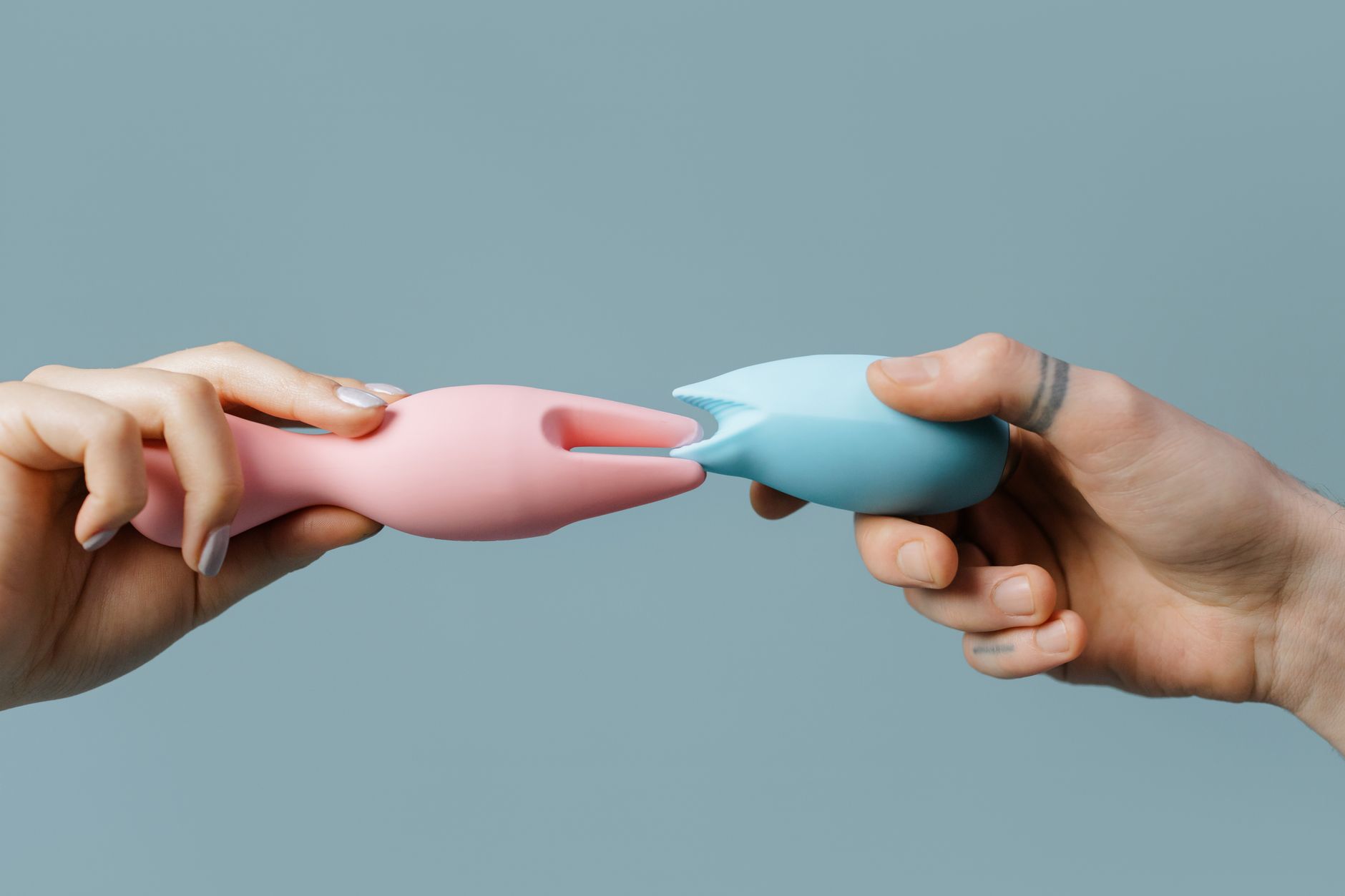
Here's what no one tells you about pelvic floor tension
Your pelvic floor muscles are doing their job too well. They're supposed to contract and release, but when stress, anxiety, or past pain lives in your body, they lock down like they're protecting something. Which, neurologically speaking, they are. And when those muscles stay clenched, pleasure becomes nearly impossible. Stimulation feels numb or even painful. Orgasms come shallow or not at all. It's not that you've lost the ability to feel good. It's that your nervous system won't let you.
The good news: lemon vibrators and pelvic floor release aren't either-or. They work together better than you'd expect.
Why pelvic floor tension blocks sensation
Your pelvic floor is a hammock of muscle that supports your uterus, bladder, and bowel. But it's also part of your arousal architecture. When those muscles are relaxed and responsive, they swell with blood during arousal and contract during orgasm. When they're chronically tight, blood can't flow properly, sensation dulls, and the whole system feels stuck.
This happens for a lot of reasons. Stress keeps your nervous system in fight-or-flight mode, and the pelvic floor tightens as part of that protective response. Past pain from childbirth, surgery, or sex can create a reflex tension that your body holds onto for years. Even anxiety about pleasure itself can lock the muscles down. You're not broken. You're literally braced.
The clitoral nerves that respond to touch still work fine. But tight pelvic floor muscles restrict blood flow to the clitoris and change how sensation travels through the pelvic region. It's like trying to feel pleasure through clenched fists.
Release before stimulation: the rule that changes everything
Honestly though, trying to use any vibrator when your pelvic floor is locked is like expecting to dance while standing rigid. You need release first, stimulation second.
This is where your approach shifts. Instead of reaching for lemon vibrators as an intensity tool, think of them as part of a relaxation ritual.
Start with five minutes of intentional pelvic floor release. Lie down, place your hand on your lower belly, and breathe into it. Not shallow chest breathing. Deep belly breathing that expands your abdomen on the inhale and softens everything on the exhale. After a few breaths, imagine your pelvic floor muscles actually softening. Not tightening further (like kegels). The opposite. Like you're melting into the floor.
Then add progressive muscle relaxation. Tense your pelvic floor hard for a five-count, then let it go completely. Let the release happen. Do this three or four times. Each time you release, notice the difference. Your body learns the contrast between tight and soft.
After that groundwork, introduce the lemon clitoral vibrator. Start at the lowest setting. The suction pattern of lemon vibrators works differently than standard vibration. Instead of buzzing, they use gentle waves of pressure that don't demand a muscular response the way direct vibration does. That softness often allows pelvic floor muscles to stay relaxed instead of bracing defensively.
The nervous system connection nobody mentions
Your pelvic floor tension isn't just a physical thing. It lives in your nervous system. Your body learned to tighten as protection, and it won't unlearn that without feeling truly safe. Which means the pressure of performance or the self-consciousness of using a toy can actually make pelvic floor tension worse.
This is where relational safety comes in. If you have a partner, their presence and attentiveness matter more than you think. Being witnessed with patience, not judgment, signals to your nervous system that it's okay to relax. If you're exploring alone, that's equally valid. But the permission has to come from you, not from external pressure.
Many people find that the most effective lemon vibrators for pelvic floor tension are the ones they use slowly, almost meditatively. Instead of chasing sensation, you're using the vibrator as an anchor for attention and relaxation. The Lemon Clitoral Vibrator's gentle suction pattern is especially good for this because it doesn't create the defensive bracing that aggressive vibration sometimes triggers.
When you start feeling sensation build, don't push for the orgasm. Notice it. Stay with it. Pelvic floor muscles that have been tight for a long time often need multiple sessions to fully release and remember how to respond. That's normal. You're retraining your nervous system.
Practical steps: breath, vibrator, patience
Here's the sequence that works for most people dealing with pelvic floor tension:
Step one: prep the nervous system. Spend 10 minutes doing something calming. A warm bath, gentle stretching, restorative yoga. Anything that signals safety to your body. Skip this and you're fighting against your own nervous system.
Step two: release and breathe. Lie down, place the vibrator nearby but don't use it yet. Spend five minutes with belly breathing. On each exhale, mentally release your pelvic floor. Soften it. Let it go.
Step three: introduce the vibrator slowly. Turn on a low or medium setting (not the highest). Place the lemon clitoral vibrator on your clitoris and focus on breath, not sensation. If your mind wanders to performance or results, gently bring it back to what you're actually feeling right now.
Step four: stay present. Don't race toward an outcome. If an orgasm comes, great. If it doesn't, you've still done the work of signaling to your body that touch is safe. That's the real win when you're retraining a nervous system.
Step five: notice the changes. After a few sessions, you might feel a shift. Sensation returns. Arousal builds faster. Orgasms feel different. Or maybe nothing obvious happens yet. That's okay. Pelvic floor release is cumulative.
Why lemon suction works better for tension than traditional vibration
Most standard vibrators buzz. That buzzing sometimes triggers the pelvic floor to tighten as a protective response, especially if there's history of pain. Lemon sexual toys use a different mechanism. The suction and release pattern mimics the rhythm of natural arousal without the aggressive pressure of vibration.
For someone with pelvic floor tension, that difference is massive. You get stimulation without the defensive bracing. You feel held instead of attacked. Over time, your pelvic floor learns that this kind of touch is safe and can stay relaxed while receiving pleasure.
If you're trying lemon vibrators for the first time with pelvic floor tension, start with the lowest setting and stay there for multiple sessions. Your nervous system needs to learn that this is different from whatever created the tension in the first place.
When to bring a partner into the picture
If you're in a relationship, your partner can actually help accelerate pelvic floor release. But only if they understand what's happening and what helps.
Tell them this isn't about them. Pelvic floor tension isn't a reflection of attraction or desire. It's a nervous system thing. Frame it as a team project: you're both learning how to help your body relax.
Their role is to stay present without pressure. They can hold space while you're using the lemon clitoral vibrator. They can help with the breathing work. They can touch you in non-sexual ways that signal safety. What they shouldn't do is rush, judge, or interpret a slow response as rejection.
For couples navigating this together, the practice of using lemon vibrators becomes less about performance and more about reconnection. That shift alone changes things.
When pelvic floor tension needs professional help
Sometimes tension is just stress. Sometimes it's rooted in past pain that needs actual clinical treatment. If you've been working on release for a few weeks and nothing shifts, a pelvic floor physical therapist can make a huge difference. They can assess whether your tension is reversible through relaxation or whether scar tissue, nerve pain, or other factors need specialized care.
A good pelvic floor PT isn't just about exercises. They work with your nervous system, teach you where your tension actually lives, and sometimes help you process the emotions tied to that tension. Therapy and lemon vibrators work well together. The vibrator is part of your home practice. The therapist is the guide.
What happens when you finally release
One day you'll notice something shifted. You placed the lemon vibrator on your clitoris and felt it differently. More sensation. Faster arousal. An orgasm that feels full-bodied instead of stuck in one place. That's your pelvic floor learning to relax again. That's nervous system healing. That's your pleasure coming back to you.
It's not always linear. Some days are better than others. But the direction matters. You're moving toward ease instead of away from it. And lemon clitoral vibrators, used with intention and patience, are genuinely helpful partners in that journey.
People also ask
Can pelvic floor tension go away on its own?
Sometimes, if the stressor goes away. If your tension is purely stress-related and the stress resolves, your pelvic floor might naturally relax. But if tension has lived in your body for months or years, it often needs active release work. Breathing, progressive relaxation, and gentle stimulation like lemon sexual toys all help accelerate that process. Without intentional work, chronic tension tends to stay.
How long does it take to release pelvic floor tension with a vibrator?
There's no standard timeline. Some people feel a shift in a few sessions. Others take weeks. It depends on how long the tension has been there, how much stress you're carrying, and how consistently you practice. The key is showing up regularly, not forcing results. Even ten minutes a few times a week of breath work and gentle stimulation with a lemon vibrator moves the needle over time.
Is pelvic floor tension the same as vaginismus?
Not exactly, though they're related. Vaginismus is involuntary clenching that makes penetration painful or impossible. It's a specific diagnosis. Pelvic floor tension is broader. You can have tension that affects sensation and arousal without having vaginismus. Both benefit from relaxation work, but vaginismus often needs professional pelvic floor physical therapy. If penetration is painful, see a specialist.
Can I use lemon vibrators if I have pelvic pain?
Depends on the source of the pain. If your pain is from pelvic floor tension or stress, gentle lemon clitoral vibrators often help. If your pain comes from an infection, endometriosis, or other medical conditions, vibration might make it worse. Always check with a gynecologist first. Once you know it's safe, start with the lowest settings and go slowly.
Do I need to do pelvic floor exercises if I'm using a lemon vibrator?
Not necessarily. For tension specifically, relaxation work often matters more than strengthening exercises. Kegels can actually make pelvic floor tension worse if you're already too tight. Focus on release first. Once your pelvic floor can relax, you can add gentle strengthening if needed. A pelvic floor PT can help you figure out what your body actually needs.
Will my pelvic floor tension come back?
It can if stress or triggering situations return. But once you've released it once, your nervous system knows how. Future release work is usually faster. And using lemon vibrators regularly as part of a maintenance practice, combined with ongoing stress management, helps keep tension from taking hold again.
The real takeaway
Pelvic floor tension isn't a flaw or a failure. It's your body trying to protect you. The work is convincing your nervous system that you're safe now, that pleasure is safe, and that relaxation is possible. Lemon vibrators are tools for that conversation, not the conversation itself. Combined with breathing, patience, and real attention to what your body actually needs, they work. Your sensation can come back. Your pleasure isn't gone. It's just waiting for you to feel safe enough to let it return.