
Here's the thing about toys and relationships
One of the most common conversations I have with couples is the one that starts quietly: "My partner isn't comfortable with me using toys." Often it comes packaged with guilt, frustration, or a sense that asking for this is somehow selfish. It's not. And the discomfort your partner feels isn't actually about the toy.
There's a gap between what your partner thinks they're upset about and what they're actually afraid of. Learning to find that gap is the whole conversation.
What's really happening when your partner resists
When someone says "I don't want you using vibrators," what they often mean is one of these things. I'm not guessing.
"I'm afraid you'll need me less." This is the most common one. The logic is unconscious but straightforward: if you can reach orgasm more easily with a toy, why would you need me? Your partner is equating their sexual worth with their ability to satisfy you alone. It's not rational, but it's human.
"I'm afraid you prefer it to me." Similar neighborhood, different angle. They're imagining you choosing the toy over them, or worse, preferring it. The thought feels like a rejection of them personally.
"I feel inadequate." Sometimes this lives under the surface for years. Your partner might have always felt a little insecure about their sexual skill or stamina. A toy makes that feeling concrete.
"This feels like a boundary violation." Rarely, a partner resists because they genuinely have a moral or emotional boundary around sex toys. This is worth taking seriously, but it's different from fear and requires a different conversation.
"I wasn't asked." And sometimes the real issue is the surprise factor. You brought a vibrator into your shared intimate space without conversation, and your partner feels unheard.
None of these reasons means you have to stop wanting what you want. But understanding which one is driving the resistance changes how you respond.
How to start the conversation
Don't do this during sex or when you're already frustrated. Pick a calm moment, maybe over coffee or a walk. No phone screens.
Start with curiosity, not defensiveness. Try: "I've noticed you seem uncomfortable when I mention wanting to try a vibrator. I want to understand what that's about for you." Then listen. Actually listen. Don't jump to fix it or explain why they're wrong.
Your partner might cry. They might get angry. They might say something that hurts. Let them. This conversation is clearing out feelings that have probably been sitting there for a while.
Once you understand the actual fear, name it back to them. "So you're worried that if I use a toy, I won't want sex with you the same way?" When someone feels truly heard, the whole energy shifts.
Then tell the truth. "That's not what would happen for me. Here's what I actually want." Be specific. Are you wanting more intense orgasms? A different kind of sensation? Relief from the pressure to orgasm a certain way? Toys don't replace partnership. They do one thing differently.
The reframe that changes everything
Here's what I tell couples: a clitoral vibrator like the Lem isn't replacing your partner. It's the same way a dishwasher doesn't replace your partner even though they might have washed dishes with you. It's a tool that changes one small part of the experience.
Better yet: toys can bring you closer. Using a lemon vibrator during partner sex is different from using it alone. Some couples find that shared exploration with a toy builds more intimacy than they had before, because they're working together toward your pleasure instead of assuming one person has to provide everything.
You're not asking your partner to do something they can't. You're asking them to be present while you use a tool that helps your body work better.
The agreement that works
If your partner is still resistant, don't bulldoze. But also don't abandon your own needs. A workable middle ground usually looks like one of these:
Start together. Your partner watches or participates while you use a lemon vibrator. This removes the secrecy and mystery, and they can see it's just an object. Many partners get more comfortable once they've seen it in action and realized the world didn't end.
Use it only during partnered sex. If your partner's fear is about you preferring solo play, agree to use the vibrator together. This actually works well because it combines the intensity of the toy with the presence of your partner.
Set a timeline for revisiting. "I'm going to respect that you're uncomfortable right now. Can we check in about this in three months?" Sometimes people just need time to adjust to an idea. Frame it as a temporary boundary, not a permanent one.
Get specific about what triggers the discomfort. Is it the vibrator existing in the bedroom? You using it without telling them? The idea of you enjoying it more than partnered sex? Once you know the specific trigger, you can address that thing instead of negotiating blindly.
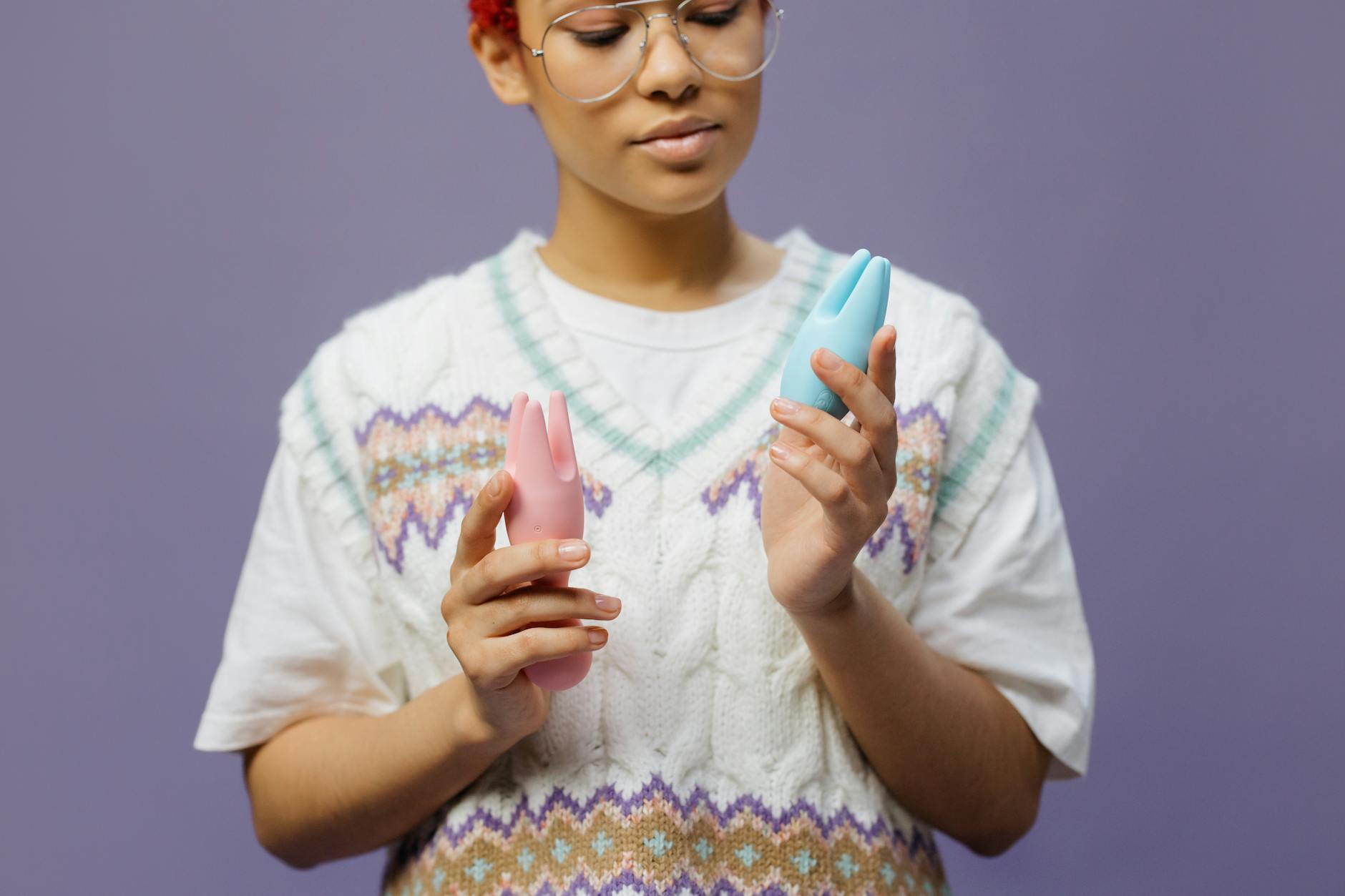
Photo by cottonbro studio on Pexels
When your needs and their comfort don't overlap
Here's the hard truth: sometimes they don't. Your partner might remain uncomfortable with toys. That's their boundary to set. But your body and your pleasure aren't negotiable either.
If you genuinely want to explore clitoral vibrators and your partner genuinely won't move on this, you have some real choices to make. You can:
Use toys privately. Many people do. It's not dishonest if you've both acknowledged you want different things and agreed to handle it separately.
Explore couples therapy. A good therapist can help you both understand the fear underneath and find a path forward. Sometimes it takes a professional to untangle what looks like a value clash but is actually a security issue.
Decide what matters more. If this is a dealbreaker relationship issue, that's important information. Your sexuality and autonomy matter. So does your relationship. But you don't have to choose one forever.
Relationships that work long-term require both people to feel seen. If your partner is completely shut down to anything that brings you pleasure, that's a bigger relationship problem than just the vibrator.
The conversation you might not be expecting
Sometimes once the resistance softens, your partner surprises you. They might ask to use a lemon vibrator on you. They might get curious about their own pleasure in a new way. They might discover that watching you experience intense pleasure is actually hot for them.
I've seen relationships genuinely transform once couples move past the toy taboo. It's not because the vibrator is magic. It's because you had the hard conversation about pleasure, autonomy, and being present with each other. Everything after that is easier.
Your pleasure deserves to exist. So does your partner's comfort. The conversation isn't about proving one of you right. It's about finding out what you both actually need and seeing if there's a way to honor both.
FAQ
Why does my partner feel threatened by clitoral vibrators?
Most partner resistance comes from insecurity, not the toy itself. Your partner might worry they're not enough, that you'll prefer the vibrator, or that your pleasure is being taken away from them. These fears are rooted in how we're taught that sex should work: one person provides, one person receives, everything should be about the relationship. A toy disrupts that story. The conversation isn't about convincing them the fear is wrong. It's about understanding it and deciding together how you both want to move forward.
Can we use lemon vibrators together without it causing problems?
Actually, yes. Using a clitoral vibrator during partnered sex often brings couples closer because you're working toward mutual pleasure instead of assuming one person has to do all the work. It also removes the secrecy that can fuel resentment. If your partner is willing to try this, it's often the best first step. You're not replacing them. You're inviting them into a different kind of intimate experience.
What if my partner refuses to budge on this?
Then you have a real choice to make. Your pleasure matters, but so does your relationship. Some people decide to use toys privately. Some seek couples therapy to work through the deeper insecurity. Some realize this is part of a larger pattern of their partner controlling their choices and decide to end the relationship. None of these options are wrong. You get to decide what you need and what you're willing to accept.
How do I bring this up without making my partner feel attacked?
Frame it as curiosity, not criticism. "I've noticed you seem uncomfortable when I talk about toys. I want to understand what that's about." Listen without defending yourself. Once they feel heard, you can share what you actually want. The key is making it safe for them to be honest about their fear. If they feel judged, they'll get defensive and the conversation stalls.
Is using a vibrator alone while my partner doesn't know cheating?
Depends on what you both agreed to and whether there's been honest conversation. If you've both acknowledged that you want different things and implicitly agreed to handle it separately, that's different from hiding it because you're afraid of their reaction. The hiding part is the problem, not the toy. But if you're hiding it, that's usually a sign you need to have the conversation you've been avoiding.
Will using a lemon vibrator make my partner feel inadequate?
Possibly, at first. But not because there's anything wrong with them. It's because we're taught that one person should be able to provide everything sexually. That's unrealistic and puts pressure on both of you. Once your partner understands that a vibrator is a tool that does one thing differently, not a judgment of their sexual ability, many partners actually feel relieved. Pressure off them. Pleasure on for you. Everyone wins.
Moving forward
Your sexuality isn't something you need permission for. But your relationship is something you both get to shape. The conversation about toys isn't really about toys. It's about pleasure, autonomy, trust, and what you both need to feel secure.
If you're stuck in this dynamic, reach out. Whether it's couples therapy, a conversation with a trusted friend, or even just giving yourself permission to think about what you actually want separate from what your partner wants, that clarity matters.
Your pleasure deserves to exist. And the person you love deserves to understand why. Those two things aren't in conflict.