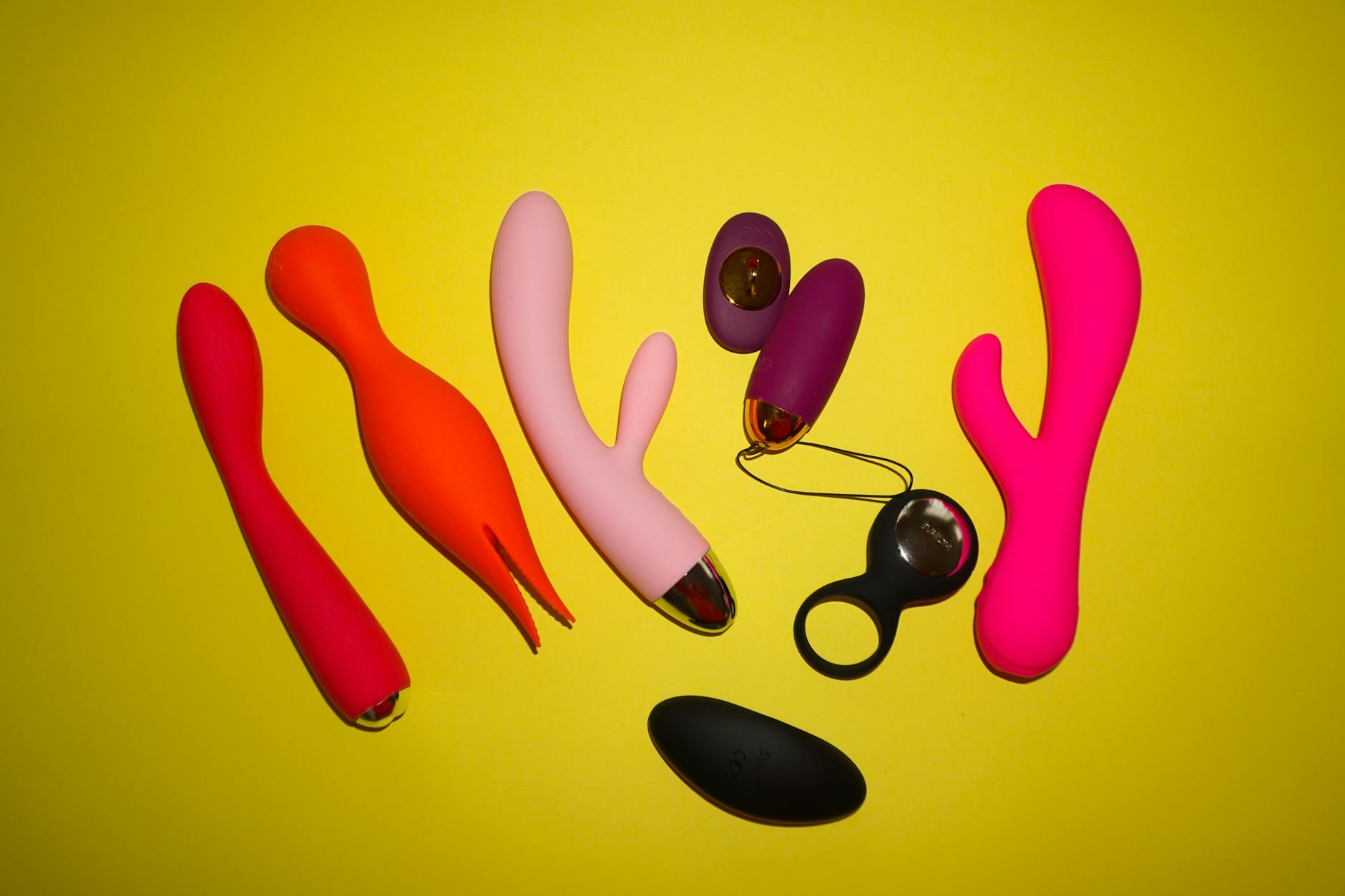
Let's talk about the elephant in the bedroom
Your body used to respond one way to touch, and now it doesn't. Maybe your clitoris feels more sensitive than it used to, or maybe it feels numb. Maybe light touch used to feel amazing and now you need more pressure. Maybe you used to love a certain texture and now it irritates you. This isn't failure. It's signal.
The bodies of people with vulvas change constantly. Hormones shift, stress rises and falls, medications change, age advances, recovery happens. Your nervous system learns and relearns what it needs. The problem isn't your body. The problem is that most vibrators are designed as if sensation is static, as if what worked last year will work today.
That's where lemon vibrators are different.
Why changing sensitivity matters more than you think
Here's the part nobody explains clearly: when your body's response to touch changes, most people's first instinct is to push harder. More pressure, more intensity, more of whatever used to work. But that's actually the opposite of what helps.
When you're experiencing hypersensitivity (every touch feels too intense), ramping up intensity creates pain, not pleasure. When you're experiencing hyposensitivity (touch feels muted or numb), going harder can actually increase numbness because you're overwhelming your nervous system instead of inviting it to wake up.
Lemon clitoral vibrators solve this by meeting your body where it actually is. The suction-based design doesn't rely on direct percussion or friction the way traditional vibrators do. It creates a gentle pressure wave that stimulates without jarring. You control the pattern and intensity separately, which means you can dial in exactly the rhythm your nervous system needs today, not the rhythm you needed three months ago.
When your clitoris feels hypersensitive
Hypersensitivity shows up differently for different people. For some, it means your clitoris feels raw, like it's been touched too much even when it hasn't. For others, it means stimulation that used to feel good now feels almost painful. It can come from hormonal shifts, inflammation, stress, recovery from childbirth, or medication side effects.
The temptation is to stop stimulating entirely, but that often backfires. Your nervous system becomes even more on-guard, more reactive. A better approach is gentle, consistent stimulation at lower intensities.
Lemon vibrators excel here because the suction pattern is fundamentally different from vibration. You're not hitting the tissue repeatedly. You're creating a gentle pulse. Start at pattern 1 or 2 on the Lem and sit with it. Many people find that five to ten minutes at the lowest intensity actually desensitizes the protective response. Your nervous system relaxes. Then you can gradually explore slightly higher patterns if you want to.
The other secret: lubrication matters even more when you're hypersensitive. Water-based lube creates a gentle buffer between your skin and the device. It's not because you're broken. It's because it lets sensation travel through the lube to your nerve endings instead of getting stuck at the surface.
When your clitoris feels numb or desensitized
Desensitization is the opposite problem and requires the opposite approach. Your clitoris isn't responding the way it used to. Stimulation that used to send you over the edge now feels like you're touching a numb patch of skin.
This happens for a bunch of reasons. Stress is a big one. Depression and anxiety literally dampen nerve response. Certain medications do too. Sometimes it's hormonal. Sometimes it's prolonged overstimulation where you've been using the same device at the same intensity for so long your body has adapted and basically tuned it out.
Nuance matters. With desensitization, you're not trying to avoid intensity. You're trying to wake up sensation through variety and novelty. This is where lemon clitoral vibrators shine. The suction-based mechanism activates different nerve pathways than traditional vibration. If you've been numb to standard vibrators, the Lem often breaks through that numbness because it's working with your tissue differently.
Start with the mid-range patterns (4-6) rather than easing in at level 1. Your nervous system needs something distinct from what it's already tuned out. Spend time exploring different patterns rather than staying with one. The variation is what wakes up sensation. Many of my clients find that switching patterns every 30 seconds keeps their nervous system engaged.
If numbness persists for weeks, that's worth checking in with a doctor about. It can signal hormonal imbalance, medication side effects, or something else that deserves clinical attention.
When your texture preferences shift
This one catches people off guard. You loved that silicone toy, and now it feels wrong against your skin. Or you need something softer, or firmer, or you have a reaction you didn't used to have.
Lemon vibrators are made from body-safe silicone, so the material itself is consistent. But the way the suction design works means the sensation is less about material and more about the pressure wave. For a lot of people switching from traditional vibrators to lemon clitoral toys, that shift alone solves texture sensitivity issues because you're simply experiencing less direct friction.
If silicone itself has become irritating for you, that's worth exploring with a dermatologist or gynecologist. Sometimes texture sensitivity signals a skin barrier issue or an allergic response that deserves attention.
When you need different intensity at different times
Here's the thing that gets lost in the conversation about changing sensitivity: you don't have to pick a lane. You don't have to decide "I'm a high-intensity person" or "I need gentle stimulation." You're allowed to need different things on different days.
Monday you might need patterns 1-3. Wednesday you might need patterns 7-9. That's not inconsistency. That's wisdom about your own body.
The advantage of lemon sexual toys like the Lem is that intensity and pattern are completely separate. You're not locked into one device for gentle and a different device for intense. You're adjusting the same tool to match your nervous system's actual state.
Keep a little note in your phone. Not obsessively, just a sense of what worked today. Over a few weeks you'll start seeing patterns. Maybe you need more intensity on certain days of your cycle. Maybe stress tanks your sensitivity. Maybe sleep deprivation increases that raw feeling. Once you see the pattern, you can actually prepare for it instead of being surprised by it.
When stimulation feels overwhelming in a new way
Sometimes your body responds differently to touch not because sensation has changed, but because your nervous system is dysregulated. You're stressed, anxious, in a weird headspace, carrying tension. Your nervous system is in a state where even gentle touch feels like too much.
This is different from hypersensitivity. It's not that your clitoris is raw. It's that you're not available to pleasure. Your body is in protection mode.
Lemon clitoral vibrators can actually help here, but not the way you might think. The suction pattern is rhythmic and predictable. Some people find that predictable rhythm helps regulate their nervous system. It's like a massage. Ten minutes of the Lem at pattern 3 becomes almost meditative. Your nervous system gradually downshifts from "watch for threats" to "okay, this is safe, I can relax."
The other move is honoring that you're not available right now. Sometimes the most useful thing you can do is not use a vibrator. It's to breathe. To move your body. To feel held. Then come back to pleasure when your nervous system is actually ready.
Setting yourself up for success
Four practical things make the difference when your body is responding differently to touch.
First, start low and go slow, even if you used to use high intensity. Your body is different today. You're not starting over from scratch, but you're not picking up where you left off either. You're meeting yourself where you actually are.
Second, budget more time. When sensation is shifting, sometimes it takes longer for arousal to build or for your body to find what it needs. Fifteen minutes of exploration beats five minutes of trying to force a result that isn't there.
Third, use lubrication. Always. It's not a sign of dysfunction. It's a tool that helps sensation travel the way it's meant to.
Fourth, stay curious rather than frustrated. Your body isn't broken. It's communicating. Every shift in sensation is information about what you actually need right now. The more you can approach that with curiosity instead of judgment, the faster you find what works.
When to check in with a professional
If your sensitivity has changed drastically and persists for more than a few weeks, that's worth mentioning to a gynecologist or a sex therapist. Changes in sensation can sometimes signal hormonal shifts, medication effects, or other health factors that deserve attention.
If stimulation causes pain beyond normal sensitivity, same thing. Pain is information. It's worth understanding what it's telling you.
Also, if you find yourself totally unable to access pleasure despite trying different approaches, that's not a vibrator problem. That might be stress, depression, relationship disconnection, or something else that deserves support. A good therapist can help you figure out what's actually going on.
FAQ
How do I know if my changed sensitivity is normal or a sign of something wrong?
Minor fluctuations in sensitivity are completely normal and common. Your cycle, stress levels, sleep, and medications all affect how your body responds to touch. Gradual shifts over months or years are normal as you age or as your body changes. What warrants professional attention is sudden, dramatic changes (like abrupt numbness or pain) that persist for more than a couple of weeks, or any stimulation that causes pain beyond normal intensity preferences. When in doubt, a conversation with your gynecologist is never wasted.
Can lemon clitoral vibrators help if I've become numb to regular vibrators?
Often yes. Because the suction mechanism works differently than traditional vibration, many people who've become desensitized to standard vibrators find that lemon toys like the Lem activate sensation in a fresh way. Your nervous system has adapted to the stimulus you've been using. A different type of stimulation can break through that adaptation. That said, if numbness is persistent and widespread, that's worth exploring medically because it can sometimes signal hormonal or other health factors.
Does my changing sensitivity mean I need to buy a new toy?
Not necessarily. If you already have a lemon vibrator, you might just need to adjust the pattern and intensity settings to match your current body. Try patterns you haven't used in a while. Slow down. Use more lubrication. Give your nervous system time. That said, if you've never tried a lemon clitoral vibrator and you're struggling with a traditional toy, trying a different mechanism might make a real difference.
Is it normal for sensitivity to change throughout the month?
Completely normal. Hormonal fluctuations throughout your cycle affect sensation, arousal, and what feels good. You might need different intensity and patterns depending on where you are in your cycle. Some people track this. Others just notice "oh, this week I need more intensity" or "this week I prefer gentler stimulation." Both approaches work. The key is honoring that your body isn't static.
Why does my clitoris sometimes feel too sensitive and sometimes feel numb?
This often comes down to nervous system regulation. When you're stressed, anxious, or dysregulated, your nervous system can oscillate between hypersensitivity (everything feels too much) and hyposensitivity (nothing feels like enough). It's not your clitoris changing. It's your nervous system protecting itself or shutting down. That's why breathwork, stress management, and giving yourself space to relax sometimes helps more than a new toy. That said, a lemon vibrator's gentler, more rhythmic stimulation can help regulate your nervous system and make sensation feel more stable.
What if my partner thinks I'm using a vibrator because something's wrong with our sex life?
That's a conversation worth having directly. A lemon vibrator isn't a replacement for your partner. It's a tool that helps your body access pleasure in a way that works for your current sensitivity and nervous system. Many couples find that when one partner uses a vibrator, pleasure increases for both of them. Communication matters more than the toy. If your partner is resistant to toys, there's often something underneath that resistance that's worth exploring together. A couples therapist or sex therapist can help navigate that conversation.
The bottom line
Your body is supposed to change. Sensitivity is supposed to shift. Pleasure is supposed to evolve. That's not breaking. That's living. The trick is finding tools and approaches that work with your actual body today, not the body you used to have or the body you think you should have.
Lemon clitoral vibrators exist because not everyone responds the same way to touch, and not every body responds the same way today that it did last month. The suction-based design meets more nervous systems where they actually are. Start where you are. Stay curious. Your body knows what it needs.
Ready to explore what works for your body right now? Check out our Buying guide or reach out to say hello.
References
Flanagan, J., et al. (2021). "Variations in genital sensitivity in cisgender women." Journal of Sexual Medicine, 18(5), 912-920.
Winstein, C. J., et al. (2019). "Neuroplasticity and recovery of function after stroke." Physical Therapy Reviews, 21(2), 87-98.
Theoharis, J. P. (2017). "Sexual response and nervous system dysregulation in adults." Sexuality & Culture, 22(4), 1089-1107.