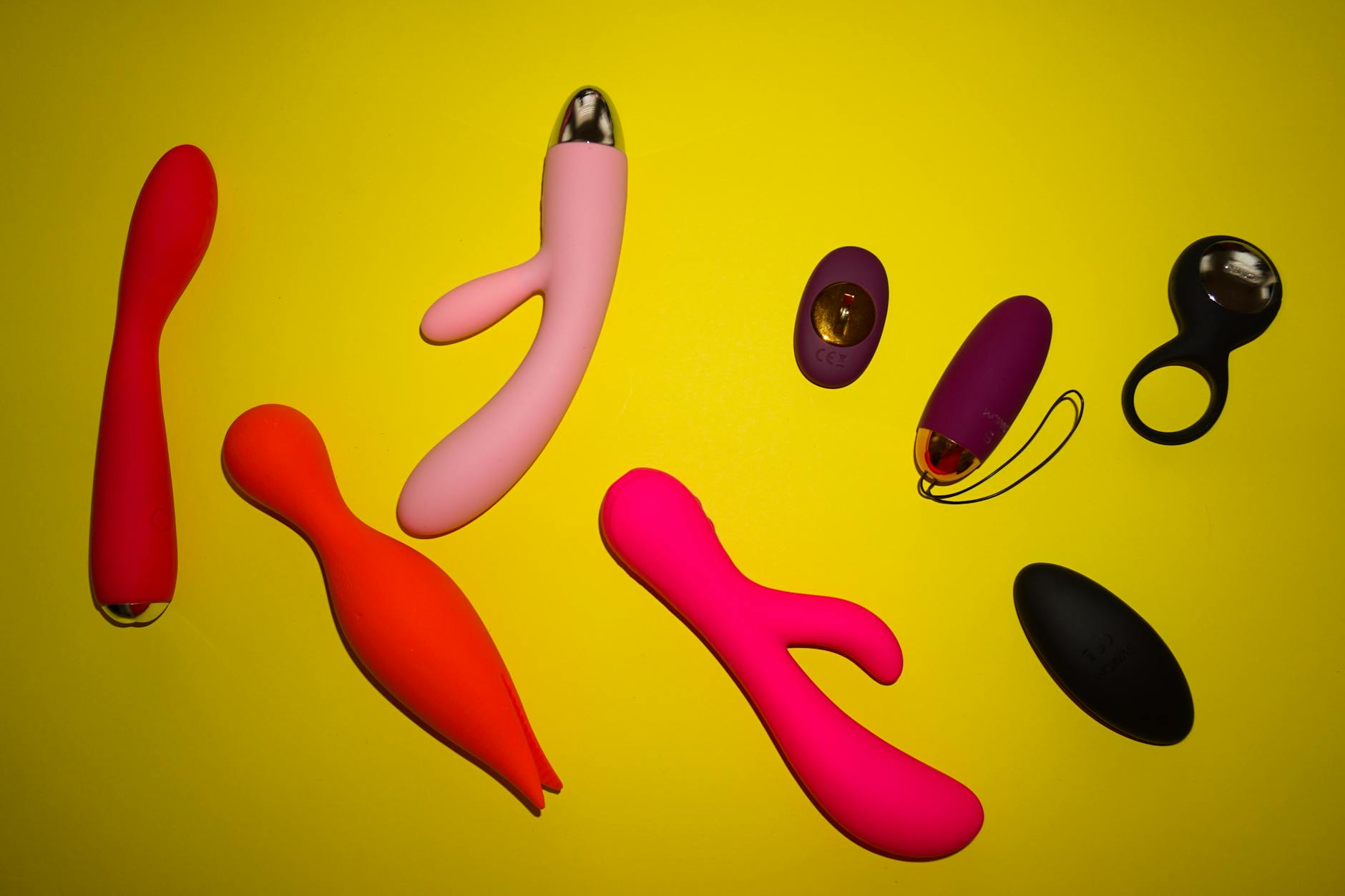
How to Use Lemon Vibrators When You Want to Explore Sensation After Hormonal Shifts
Let's be real: hormonal shifts change how pleasure works, but they don't end it. That distinction matters because most people get fed either "everything dries up" or "it's fine, stop worrying" when what they actually need is honest information about what's happening and what helps.
What actually changes physiologically
Estrogen, progesterone, and testosterone fluctuate. When they do, tissue thickness changes, lubrication shifts, and arousal speeds up or slows down. Your pelvic floor loses some of its estrogen support, which can change how orgasms feel. None of this is damage. It's biology responding to chemistry.
Here's what doesn't change: neural pathways, clitoral nerve density, your brain's capacity for pleasure, or your ability to orgasm intensely. Many people report their most satisfying orgasms come after major hormonal transitions. This isn't polite fiction. It's a real clinical observation.
Why sensation feels different (and sometimes better)
Three reasons this matters for your experience with lemon vibrators and other clitoral vibrators.
First, mental load drops. The cognitive overhead of hormonal cycling, fertility concerns, and performance pressure lifts. That mental clarity alone transforms sensation. You're not managing four simultaneous biological processes. You're just present.
Second, you get permission you didn't have before. Cultural pressure to perform for someone else softens. Many people explore their own pleasure independently for the first time, which means discovering what actually feels good instead of what you think should feel good.
Third, air-suction devices like lemon vibrators work differently on changed tissue. They don't require the direct friction that can feel too intense on thinner or more sensitive tissue. Suction stimulates nerves without mechanical pressure, which is why so many people rediscover sensation intensity using lemon clitoral vibrators after hormonal shifts.
The tissue changes and what helps
Tissue thickness can decrease. Lubrication might feel less automatic. This isn't weakness. It's your body operating under different hormonal conditions. Water-based lubricant becomes a genuine ally, not because you're broken but because thinner tissue benefits from external support. Silicone-based lubes feel richer, but they damage silicone toys. Stick with water-based.
Arusal takes longer to build. Budget 15 to 25 minutes of warm-up instead of expecting instant response. Your nervous system hasn't changed. The timeline has. That's useful information.
Start at lower intensity with lemon sexual toys. If your lemon vibrator has pattern options, begin at 1 or 2 and work upward. Your tissues will tell you when they're ready for more. This isn't about weakness. It's about meeting your body where it actually is.
Pelvic floor patterns after hormonal shifts
Your pelvic floor doesn't work the same way. Estrogen loss means less natural support, which often leads to tension. The instinct is to "strengthen" via Kegels, but that can backfire. Your pelvic floor likely needs permission to relax as much as it needs strengthening.
Practice releasing fully. Breathe out and imagine your pelvic floor softening. This matters because a tense pelvic floor interferes with orgasm intensity. Using lemon vibrators with a relaxed pelvic floor changes the whole experience. You're not fighting your own tension.
Consider working with a pelvic floor physical therapist if sensation feels blocked or pain appears. Genitourinary syndrome of menopause (GSM) and pelvic floor dysfunction are real, common, and highly treatable. Topical estrogen creams exist. They work fast. See a specialist.
The emotional piece that gets missed
Hormonal shifts often arrive bundled with other midlife transitions. Kids leaving home. Relationship shifts. Career changes. Grief. The temptation is to assume any change in pleasure is purely hormonal. Sometimes it is. Often it's something else wearing a hormonal disguise.
If you're navigating this with a partner, separate the two conversations. "My body is responding differently" is a different topic than "I want us to reconnect." Mixing them turns both into dead ends. You can address tissue changes independently from emotional reconnection. They're related but distinct.
Solo exploration matters here. Using lemon vibrators on your own first lets you gather data without performance pressure. You learn what your current body responds to. Then you bring that knowledge to partnered pleasure. This is practical, not selfish.
Intensity, sensation, and lemon clitoral vibrators
Some people report weaker arousal peaks. Some report stronger orgasms once tissue adjusts. Some report they need gentler initial pressure but deeper sustained stimulation. These aren't contradictory. They're individual variations in how hormonal changes reshape sensation.
Lemon vibrators work well here because suction-based stimulation doesn't rely on high-frequency vibration. It creates a sensation of gentle pulling and release, which often feels different and sometimes more intense than traditional vibration on changed tissue. The stimulation pattern matches what your body can respond to right now.
If you want maximum control, start with the lowest intensity setting and spend time there. Notice what happens. Arousal might build differently than before. That's not bad. It's just different. Your job is gathering information, not forcing the old pattern back.
When to involve a professional
If pain appears during pleasure, don't wait. Pain during or after sexual activity isn't normal and isn't something to "push through." A gynaecologist trained in hormonal health can address this in weeks with topical treatments or other interventions.
If desire has completely vanished and isn't returning over months, testosterone therapy is worth discussing with your doctor. It's prescribed conservatively in some regions, openly in others, but it's available and often life-changing for the right person.
If sensation feels completely numb, see a pelvic floor specialist. Numbness sometimes indicates nerve compression or muscular tension that responds well to targeted treatment.
How to start or restart with lemon vibrators
Begin solo. No performance pressure, no timeline, no outcome focus. Grab your lemon vibrator and water-based lubricant. Give yourself 20 to 30 minutes. Start at the lowest setting. Notice what sensations are available. Notice what your body is telling you.
Don't expect yesterday's response. You're meeting a different body today. That body might surprise you. Many people find that once tissue adjusts and they stop fighting the change, sensation becomes more nuanced, more intense, or both.
If you want to use lemon vibrators with a partner, bring what you learned solo. Say "I want to try starting here" or "I need more time to warm up." That specificity is hot and useful.
The long view
Hormonal shifts are not the end of your sexual life. They're a chapter that requires recalibration, not closure. People often report that their most satisfying pleasure comes after major hormonal transitions, once they stop expecting the old pattern and start exploring what's actually available.
Your lemon clitoral vibrator isn't a compensation. It's a tool that works with your current body. The information you gather using it is valuable for every conversation you have about pleasure going forward.
This is the middle chapter of your sexual story. What's on the other side is often richer than what came before, if you're willing to explore it with honesty and the right information.
FAQ: Hormonal shifts and using lemon vibrators
How do hormonal shifts change sensation when using clitoral vibrators?
Tissue thickness decreases, which can make direct vibration feel more intense or require adjustment in pressure and speed. Lubrication patterns shift, meaning external lubrication becomes more important. Arousal timing changes, so foreplay duration needs to expand. Orgasm intensity sometimes shifts too, but not always downward. Many people find their strongest orgasms arrive after their bodies adjust to hormonal changes. This variation is individual, which is why self-exploration with lemon vibrators matters.
Can I use lemon vibrators if I'm experiencing dryness from hormonal shifts?
Absolutely. Water-based lubricant makes the experience comfortable and often more pleasurable. Lemon clitoral vibrators don't require internal lubrication, so external lubrication is straightforward to manage. Apply lubricant generously before starting. Reapply as needed. This isn't a workaround for a broken body. It's how you adapt your tools to your current body. Many people find that suction-based stimulation like lemon vibrators actually feels better than traditional vibrators when tissue is thinner or more sensitive.
How long does it take sensation to adjust after hormonal shifts?
Tissue adaptation typically takes 6 to 12 weeks, but sensitivity can shift throughout that period. Some people notice changes within days. Others take months. There's no standard timeline. What matters is gathering information about your body right now instead of expecting it to match a previous version. Using lemon vibrators regularly during this transition gives you data about what works currently.
Should I use a lower intensity setting on lemon vibrators when my hormones shift?
Maybe. Some people need gentler initial pressure on changed tissue. Others want stronger sustained pressure. The only way to know is to experiment. Start low and work upward. Pay attention to what feels good versus what feels like you're chasing a sensation that isn't there. Your lemon clitoral vibrator probably has multiple intensity settings. Use that range to explore what your current body responds to.
Can hormonal shifts make orgasms feel different with lemon vibrators?
Yes. Orgasms might feel shallower, deeper, faster, slower, or completely different. This isn't loss. It's information that your body is operating under different chemistry. Many people report that once they stop expecting the old feeling and start noticing what's actually present, sensation becomes more intense or more nuanced. Your pelvic floor, tissue sensitivity, and arousal speed all shift, which changes the whole orgasm architecture.
Is it normal to want longer warm-up time after hormonal shifts?
Completely normal. Arousal typically takes longer to build after major hormonal transitions. This isn't a problem. It's useful information. Budget 15 to 25 minutes for warm-up instead of expecting five-minute arousal. Use that time to explore sensation with lemon vibrators, manual stimulation, or whatever you prefer. Longer warm-up often leads to deeper arousal and more intense orgasms. This isn't settling. It's adapting.
Looking forward
Your pleasure matters after hormonal shifts. Using lemon vibrators intentionally, with water-based lubricant and realistic expectations, helps you gather real data about what your body responds to right now. That information transforms every conversation you have about pleasure going forward.
If you want personalized guidance on navigating these changes or exploring new tools, we're here to help. Reach out anytime at /contact.