Here's the thing about low libido
Low desire isn't about willpower. It's not about being broken, unromantic, or damaged. It's a symptom. And like any symptom, it responds better to understanding than to shame.
When libido drops, the first instinct is usually to push harder. Schedule sex. Try new positions. Buy something fancy. But that's like trying to run a marathon when you haven't eaten in three days. The problem isn't effort. The problem is fuel.
Why traditional approaches fail
Most sex toys were designed for people already in the mood. They assume you're aroused, you know what you want, and you just need an assist. But when desire is low, that's exactly backwards. You're not looking for an orgasm hack. You're looking for permission to care about pleasure at all.
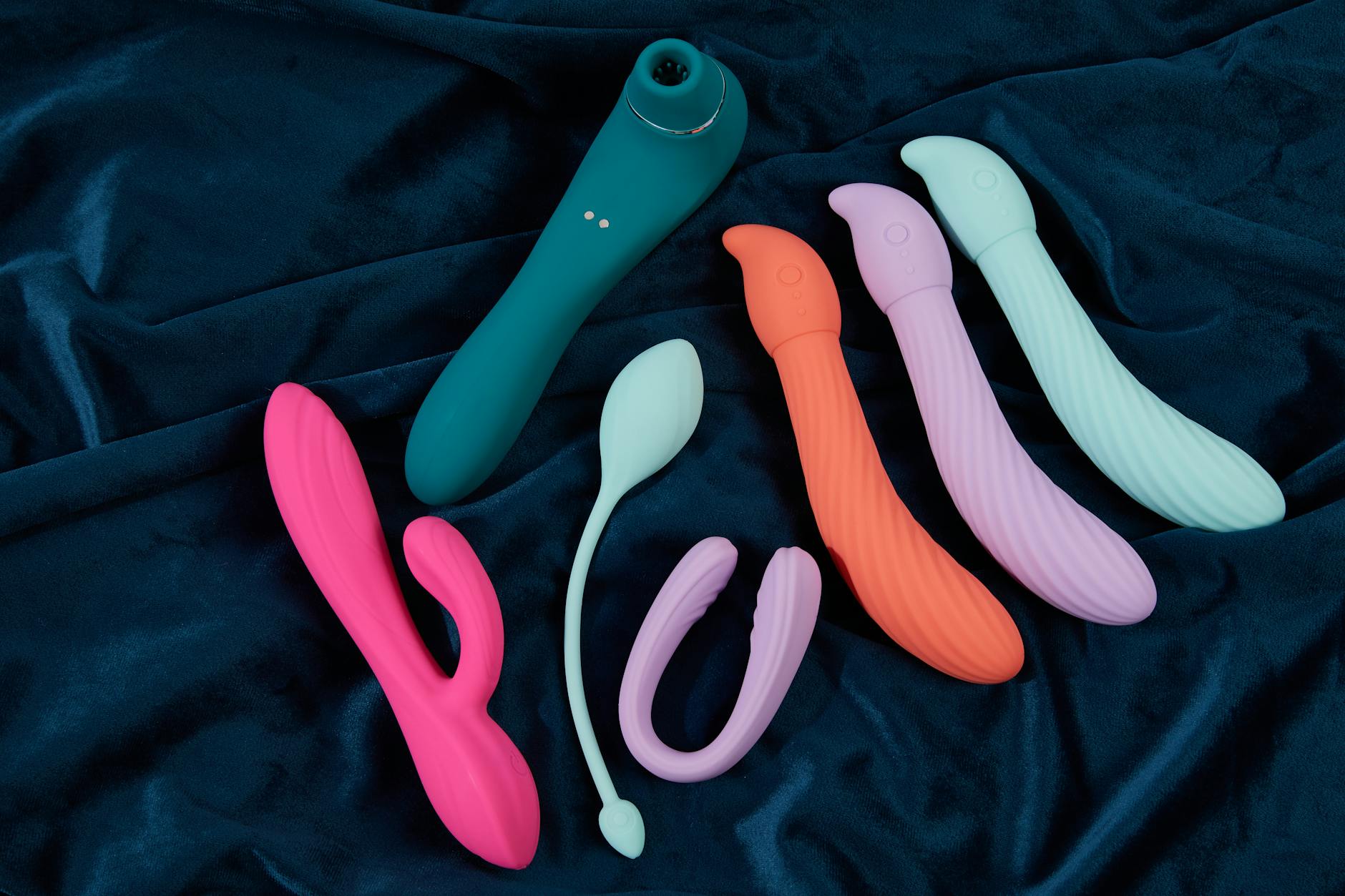
Lemon clitoral vibrators work differently. They don't require you to already be hot. They don't demand performance. And because they use suction technology instead of traditional vibration, they create a different kind of stimulation that can feel less overwhelming when motivation is depleted.
I've worked with dozens of people rebuilding their sexual self after depression, burnout, medication changes, relationship drift, or straight-up exhaustion. The ones who moved fastest weren't the ones who tried to manufacture desire. They were the ones who started small, got curious, and let sensation lead.
The neuroscience angle that actually matters
When desire drops, it's often because the reward pathways in your brain have gone quiet. Stress, depression, hormonal shifts, and relationship tension all interfere with dopamine and oxytocin production. The body doesn't feel broken. The brain just isn't sending the "this matters" signal.
Here's where lemon sexual toys become useful. Suction-based stimulation creates a different neurological response than traditional vibration. It's more localized, which means it requires less mental bandwidth to register as pleasurable. You don't have to work as hard to feel something.
That matters when your motivation is low. You're not trying to reach an orgasm. You're trying to remember what pleasure feels like. Smaller, clearer sensations can actually do that more effectively than intense stimulation.
Starting the conversation with yourself
Before you touch a lemon vibrator, ask yourself three things.
First: am I using this to punish myself for not being horny? If yes, pause. Put it down. Low libido isn't a character flaw that pleasure tools can fix. That's backwards.
Second: do I actually want to explore this, or am I doing it because I think I should? "Should" is a trap. If you're moving from zero desire to forced obligation, you've just added another layer of pressure. That's the opposite of what helps.
Third: do I have 20 minutes where I won't be interrupted and nobody is depending on me to perform? If you're on high alert, your nervous system can't drop into exploration mode.
Once you've genuinely answered those, you're ready to start.
The rebuilding protocol
This is how I typically guide someone with low libido into using a lemon clitoral vibrator.
Week one: acquaintance, not sex. Just hold the device. Charge it. Look at it. Maybe hold it against your arm or your collarbone. No expectations. No goals. The job is to get your nervous system used to the object existing without it meaning you have to perform.
Week two: one minute, no pressure. Turn it on at the lowest setting. Make contact with your outer labia or the area around your clitoris, not direct stimulation. Feel the sensation. You might feel nothing. You might feel a little tingle. Both are fine. One minute is enough. Stop when you want to stop, not when you reach some imaginary quota.
Week three: expand the window. Maybe three to five minutes now. Maybe direct clitoral contact. Maybe you apply it during partner sex or during a different self-care moment. The frame shifts from "I'm supposed to be aroused" to "I'm noticing what happens."
Week four and beyond: let curiosity guide. You're not rebuilding libido anymore. You're building a conversation between your nervous system and pleasure again. That looks different for everyone.
The key: if desire doesn't return by week three, that's not a failure. It means the barrier isn't mechanical. It might be relational, medical, nutritional, or stress-based. That's when a therapist or doctor becomes more useful than a toy.
What actually gets in the way
Three things I see consistently derailing people.
One: comparison. You scroll Instagram or read Reddit and see people talking about intense, frequent sex. You feel further broken. Stop comparing your recovery to other people's highlight reel. Your body is rebuilding. That takes time.
Two: the partner pressure loop. Your partner wants sex. You don't have desire. You feel guilty. You try to want sex out of obligation. This creates resentment and makes desire harder, not easier. If you're partnered, the conversation isn't about the lemon vibrator. It's about both of you being honest that rebuilding desire is a project, not a failure.
Three: the performance trap. You use the lemon vibrator, nothing happens, and you feel like you've failed at pleasure. That's not how this works. Low libido often means your nervous system needs safety more than it needs stimulation. Sensation without pressure is what helps. Outcomes don't matter.
The role of lemon vibrators specifically
Why lemon clitoral vibrators instead of other toys? A few reasons.
The suction technology creates a pulling sensation that many people find less intense than traditional vibration. When your baseline desire is low, intense can feel like a demand instead of an invitation.
They're smaller and less intimidating than wand vibrators. Lower stakes means lower pressure.
They work whether you're lubricated or not, which matters because low desire often comes with lower lubrication. That's the body telling you it's not ready yet, not that you're broken.
And they can work with a partner without feeling like a substitution. That's important when libido is low because of relationship stuff. The toy becomes a bridge, not a replacement.
When to bring a partner in
If you're in a relationship and libido has dropped, your partner is probably feeling it too. They might feel rejected. You might feel pressured. This creates a feedback loop that actually lowers libido more.
When you're ready, involve them. Not to fix the problem, but to be honest about it. "I'm rebuilding my desire. I'm starting small. I'd like your patience and no expectations." That's a real conversation. "I bought this toy, can we use it?" often feels like a performance demand, which is the opposite of what helps.
If your partner can't handle your low libido without making it about them, that's relationship data that might need attention from a couples therapist before a toy will help much.
Questions people ask
How long does this take? Weeks to months, depending on what caused the low libido. If it's stress or burnout, faster. If it's depression or medication, potentially longer. Be patient with yourself.
Does it matter if I'm single or partnered? Less pressure when you're single, which actually helps. But plenty of partnered people rebuild desire this way too. The work is the same.
What if nothing happens after a month? That's a signal to explore other causes. Medical issues, medication side effects, nutritional deficiencies, and trauma all suppress libido. A lemon vibrator might help, but it's not the whole answer if the root cause is unaddressed.
Can I use this with a partner without feeling awkward? Yes. If the conversation is "I'm rebuilding my desire and I want to explore with you," not "you failed to turn me on," it usually lands fine.
Is low libido permanent? Almost never. It's a signal, and signals change when the underlying condition changes. Desire typically returns once you address stress, heal from trauma, change medications, or repair a relationship.
The real talk
Low libido often feels like your body is broken. It's not. Your body is asking for something. Maybe rest. Maybe less pressure. Maybe emotional reconnection. Maybe medical support. Maybe all of those.
A lemon clitoral vibrator can help you remember what pleasure feels like. It can be a gentle re-entry point when motivation is low. But it's not a magic fix for desire. It's a tool that works best when you approach it with genuine curiosity instead of obligation.
Start small. Let sensation lead. And if nothing shifts after a month of honest exploration, talk to a doctor or a therapist. Your libido isn't gone. It's just waiting for the right conditions to come back.