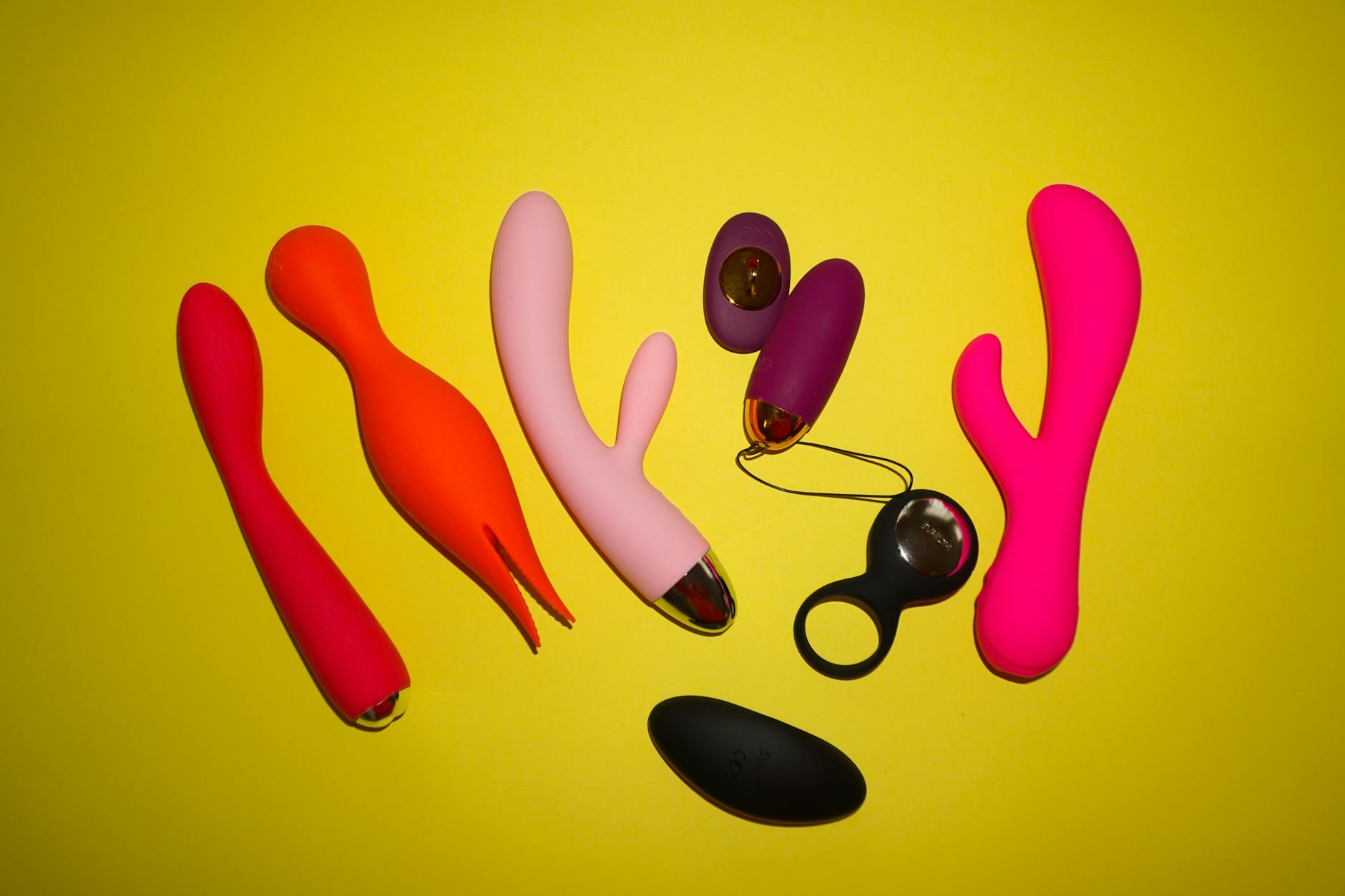
Here's the thing about touch sensitivity
When touch feels painful or uncomfortably intense, it's easy to assume the problem is psychological. Sometimes it is. But more often, there's a physical reason sitting underneath. Hypersensitivity can come from hormonal shifts, pelvic floor tension, nerve inflammation, relationship stress, past trauma, or even the type of stimulation you've been using. The good news: it's almost always reversible.
The bad news: you can't solve it by pushing through it. That's how sensitivity gets worse.
What actually causes touch sensitivity and pain
Your nervous system has two settings relevant here. The parasympathetic nervous system is your rest-and-digest mode. The sympathetic nervous system is fight-or-flight. When your body is in high alert—whether from stress, anxiety, past pain, or genuine physical inflammation—it stays sympathetic. Sympathetic nerves interpret light touch as threat. Result: what should feel pleasant registers as irritation or pain.
This happens in several common scenarios:
Pelvic floor tension. When the pelvic floor muscles stay contracted too long, tissue becomes hypersensitive. You don't necessarily notice the tension because it's become your baseline. But any touch to the vulva triggers a protective clench, which makes everything feel worse.
Hormonal fluctuation. Estrogen and testosterone both affect tissue thickness and nerve sensitivity. When either drops—whether from your cycle, menopause, medication, or medical treatment—tissue becomes thinner and nerves become more reactive. The vulva might feel raw even without contact.
Localized inflammation. Sometimes tissue is genuinely inflamed. Yeast infections, bacterial imbalance, dermatological conditions, or even irritation from frequent friction can leave tissue tender for weeks after the infection clears.
Trauma or negative experience memory. If you've had painful sex, a bad experience, or experienced abuse, your nervous system learned to expect threat. Even after the situation changes, your body stays protective. This is not psychological weakness. It's a completely normal, protective response.
Partner mismatch or pressure. When you feel pressured to perform, rushed, or not heard by a partner, your nervous system stays on high alert. You can't relax into pleasure when some part of you is defending.
Why standard vibrators often make it worse
Most clitoral vibrators use direct, sustained vibration. If your tissue is already sensitive, that vibration feels like percussion against an exposed nerve. It's too much, too fast, on tissue that's already upset. Increasing intensity makes it worse, and dialing down to minimum usually means the vibrator becomes ineffective.
Lemon clitoral vibrators—and air-suction devices generally—work through a completely different mechanism. Instead of vibrating against tissue, they create a gentle pulse of suction and release. This stimulates the clitoris without the sharp, constant friction of traditional vibrators. For people with hypersensitivity, this distinction is everything.
The sensation is also more diffuse. With a standard vibrator, all the stimulation concentrates on the exact spot you're touching it. Suction stimulation spreads across a wider area, which feels gentler on raw or inflamed tissue.
How to reintroduce touch gently
Start with zero contact. Before you even use a lemon clitoral vibrator, your nervous system needs to reset. This means pausing penetrative sex and partner touch for a week or two, depending on how severe the sensitivity is. Your job during this time is to take baths, move your body, breathe, and remind your nervous system that you're safe. This is not punishment. It's recalibration.
Use a lemon vibrator alone, externally only. When you're ready to reintroduce sensation, lemon clitoral vibrators are ideal because the suction pattern is predictable and gentle. Start on the lowest setting, wearing underwear if that feels better. Yes, underwear mutes the sensation, but your nervous system doesn't know that. What matters is that you're proving to yourself that touch can feel okay again.
Stay under three minutes. Your nervous system is learning that stimulation doesn't have to hurt. Short sessions reinforce that lesson. Quit while you still want more, not when you're exhausted or overwhelmed.
Use lots of lubricant. Even if you're not having penetrative sex, external lubrication reduces friction and sends a signal to your nervous system that things are slippery and safe. Water-based lube works best with silicone toys.
Track which settings feel good. Most lemon vibrators have multiple intensity levels. Your sensitivity will be different depending on where you are in your cycle, how much sleep you got, and your stress level. There's no "right" setting. The one that feels good today is the right one.
The emotional part that actually matters
Here's what I see most often in my practice: a person develops touch sensitivity, they stop trying, their partner feels rejected, communication collapses, and suddenly the pain becomes about the relationship. By the time they get help, it's unclear whether the pain is physical, emotional, or both. Answer: it's both now.
If you have a partner, you need to separate the conversation from the symptom. "My tissue is irritated right now and we need to pause vaginal contact" is a medical statement. "I don't feel heard by you and I'm stressed" is a relationship statement. They're connected, but they're different problems that need different solutions.
Many people with sensitivity also benefit from pelvic floor physical therapy, which teaches you to consciously relax muscles you didn't know were tense. A pelvic floor PT can also identify whether inflammation is physical or nervous-system-based, which changes the entire approach.
When to see a doctor
If pain is sharp, persistent, or getting worse despite two weeks of gentle rest and low-intensity stimulation, see a gynecologist. Pain with lemon clitoral vibrators could signal vulvodynia, vaginismus, a skin condition, or nerve damage that needs clinical support. There's no shame in that. There's also no point in trying to work through it alone.
If sensitivity appeared suddenly after starting a new medication, that's also a doctor conversation. Some medications flatten sensation; others increase it. Your prescriber needs to know.
The timeline for rebuilding sensation
Most people notice improvement within two to three weeks of reintroducing gentle touch with a lemon vibrator. Nervous system changes happen slower than tissue healing, so patience matters. Some people take longer, especially if trauma or relationship issues are also at play.
The goal is not to return to whatever you were doing before. The goal is to rebuild a relationship with pleasure that feels safe in your body. That usually looks different, and it's almost always better.
What this looks like in practice
You sit down alone. You have a lemon clitoral vibrator, water-based lubricant, and maybe fifteen minutes. You apply lubricant generously. You turn on the lowest setting. You let the suction pull gently at the tissue, noticing what happens in your body without judgment. If your mind spins to "this isn't working" or "why is this still hard," notice that thought and return to sensation.
After two or three minutes, you stop. You don't push for an orgasm. You don't feel bad if nothing happened. What you're proving is that touch can feel okay. That's the whole win.
Over days and weeks, as your nervous system trusts that touch is safe again, sensation returns. Intensity becomes available. Pleasure becomes possible. And then you get to decide what comes next—whether that's solo exploration, partnered sex, or something else entirely.
People also ask
Why does my clitoris hurt when touched, even gently?
Clitoral pain usually traces to one of four sources: pelvic floor tension (muscles holding too tight), nerve inflammation, hormonal thinning of tissue, or nervous-system fear from past pain or trauma. A gynecologist can rule out infection or dermatological issues. A pelvic floor physical therapist can assess muscle tension. If both come back normal, the issue is likely nervous-system protection, which responds well to gentle, gradual reintroduction of sensation using tools like lemon clitoral vibrators.
Can air-suction vibrators cause pain if my tissue is already sensitive?
Unlike traditional vibrators that beat against tissue, lemon clitoral vibrators use suction, which is gentler. However, even suction can feel overwhelming if your nervous system is very activated. Start on the lowest setting, wear underwear, use plenty of lubricant, and limit sessions to two or three minutes. If pain worsens, pause for a few days and try again. If it stays severe, see a pelvic health specialist before continuing.
How long does it take for touch sensitivity to go away?
Physical healing usually takes two to four weeks. Nervous-system reset takes longer, typically four to eight weeks. If sensitivity stems from trauma or relationship issues, rebuilding can take a few months of consistent, gentle exploration. Every body is different. Progress isn't always linear. Some days will feel like steps backward. That's normal and doesn't mean you're broken.
Should I use lemon vibrators if I have vulvodynia?
Vulvodynia is chronic pain in the vulvar area with no clear physical cause. Some people with vulvodynia find relief with gentle lemon clitoral vibrators on low settings; others find any vibration triggering. The key is testing cautiously and respecting what your body tells you. Work with a vulvodynia-informed provider. They can help you distinguish between what helps and what inflames.
Is painful sex always fixable?
Most cases respond well to a combination of medical evaluation, pelvic floor therapy, and gentle retraining of sensation. Some cases involve deeper trauma work or relationship repair. A few cases require ongoing management rather than "cure." The question to ask isn't whether it's fixable, but whether you're willing to get support. Usually, that willingness is what changes everything.
Can my partner help me rebuild sensation after pain?
Partner involvement can help or harm, depending on communication and pressure. If your partner understands that you're retraining your nervous system and they're genuinely patient with slow progress, their presence can be supportive. If there's any hint of pressure, impatience, or self-pity from them, you're better off working alone first. Once you've rebuilt comfort in solo exploration with something like a lemon clitoral vibrator, then you can decide whether and how to involve a partner.
Where to go from here
Touch sensitivity isn't a dead end. It's a signal that your nervous system needs resetting, and that's entirely possible. A lemon clitoral vibrator is one of the best tools for this because it removes the sharp friction of traditional vibrators while still providing stimulation that feels manageable.
Start small. Respect what your body is telling you. If pain persists or worsens, get professional support. Your pleasure matters, and so does your comfort. They're not opposing forces.
Have questions about your specific situation? Reach out to us. We're here to help you rebuild the relationship with your body that you deserve.