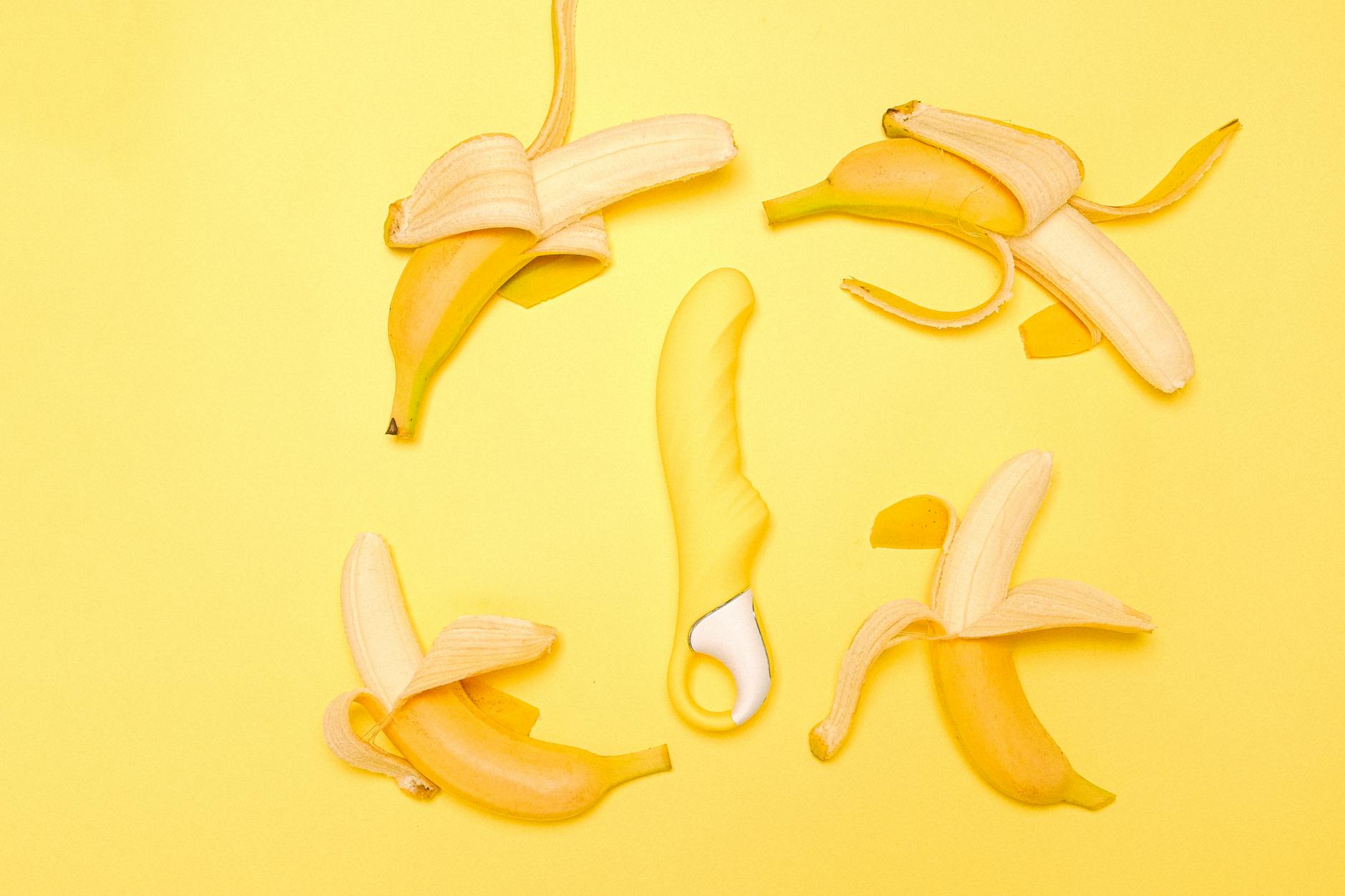
Here's what nobody tells you about antidepressants and pleasure
Antidepressants work. They lift mood, stabilize thought patterns, and literally save lives. And yes, many of them also make orgasm harder to reach, sensation duller, and arousal slower to build. This is real. It's not in your head. And it's absolutely fixable.
About 40-60% of people on SSRIs (selective serotonin reuptake inhibitors) experience some kind of sexual side effect. For some it's mild. For others it's a complete flattening of sensation, where touch feels like pressure, orgasm requires intense effort, and pleasure seems filtered through cotton wool. The worst part? Most doctors don't mention it as a possibility, and most patients blame themselves.
I'm here to tell you: your nervous system isn't broken. Your medication is working exactly as it's designed to work. And there are concrete strategies to work around it.
Why antidepressants flatten sensation
SSRIs increase serotonin in your brain, which is the whole point. But serotonin also affects your peripheral nervous system. Higher serotonin levels can dull sensory perception across the board, not just sexual sensation. It's why some people on SSRIs also notice foods tasting less intense, or a general reduction in how "sharp" sensation feels.
Here's the chain reaction: serotonin increases. Nerve sensitivity decreases slightly. Touch receptors in the skin and clitoris are less responsive. Your brain receives the signal at lower volume. Arousal takes longer because the sensory input is quieter. Orgasm requires more intense stimulation to reach the threshold your brain is now expecting.
This doesn't mean you've lost the ability to orgasm. You haven't. It means you need stronger, more focused input to trigger the same response.
The difference between numbness from meds and numbness from other causes
Antidepressant-related numbness has a specific shape. It usually appears within the first 2-4 weeks of starting the medication or increasing the dose. It tends to affect all sensation somewhat equally. You might notice you need a higher thermostat to feel warmth, or that you don't register pain as quickly. Sexual sensation dulls along with everything else.
This is different from nerve damage, diabetes-related neuropathy, or trauma responses, where sensation loss is often patchy or localized. And it's different from psychological numbness like depression or dissociation, where sensation is technically there but you're not emotionally connected to it.
The good news: medication-related numbness usually plateaus. Your body adapts. But you don't have to wait months for that to happen. You can work with it now.
Why lemon clitoral vibrators work better than vibration alone
Here's the crucial part: sensation isn't just about how hard something vibrates. It's about the type of stimulation and how concentrated it is.
A standard vibrator sends broad vibration across a wide area. For someone with dulled sensation, that's spreading the stimulation too thin. The clitoris has about 8,000 nerve endings concentrated in a tiny space. A lemon vibrator uses suction technology to focus stimulation directly on that dense bundle of nerves. It's not just vibrating a wider area. It's creating pressure and release cycles that engage deeper nerve layers that vibration alone doesn't reach.
When sensation is muted, you need stimulation that's both more intense and more precisely targeted. The lemon clitoral vibrator does both. It's why people on antidepressants often report that the Lem works when standard vibrators feel pointless.
The suction mechanism also creates a different kind of nerve engagement than pure vibration. It's less about frequency and more about pressure change, which some people with dulled sensation find more noticeable than buzz alone.
The practical setup that works
Three variables matter: pressure level, timing, and lube.
Pressure. Start at the lowest setting and work up slowly. Not because you're fragile, but because you're trying to find the threshold where sensation becomes noticeable again. Many people on SSRIs find settings 3-5 on the Lem (out of 12) is the sweet spot. It's higher pressure than you'd use without medication, but not maxed out.
Timing. Set aside 30-45 minutes. I know that sounds long, but dulled sensation takes longer to build into arousal. Budget for a 15-20 minute warm-up where you're exploring touch without expecting orgasm to arrive. The pressure alone can help rewaken nerve sensitivity over time, even if an orgasm doesn't happen that first session.
Lube. Use a water-based lubricant generously. Lube isn't because anything is "wrong," it's because it reduces friction and increases glide, which makes sensation more pronounced. When sensation is already muted, friction just adds noise. Smooth glide lets your nervous system pick up the signal more clearly.
The mental piece nobody mentions
Here's what happens after 2-3 sessions without an orgasm: you start to believe the medication has broken something permanent. It hasn't. But that belief creates a self-fulfilling cycle where you tense up, stop exploring, and basically disengage.
Break that cycle deliberately. Expect the first 3-5 sessions to be about sensation exploration, not orgasm chasing. Notice what you do feel. Does pressure feel different from vibration? Does the sensation change at different intensity levels? Does sensation build over time? These observations matter more than coming.
If you have a partner, this is also where communication gets crucial. They might feel rejected if sex goes slower. A 30-minute session where you explore sensation together, with the explicit agreement that orgasm is not the goal, removes that pressure completely.
When to adjust your medication
If sensation numbness is severe and hasn't improved after 6-8 weeks of using lemon vibrators and other strategies, talk to your prescriber. There are genuinely helpful options:
You might try a different SSRI. Some have lower sexual side effect profiles than others. Bupropion (Wellbutrin), for example, often has fewer sexual side effects and sometimes actually increases libido. A prescriber familiar with this issue can switch you without disrupting your mental health gains.
You might try adding a second medication. Buspirone or bupropion can sometimes offset SSRI sexual side effects. This sounds counterintuitive, but it works for a lot of people.
You might adjust your dose or timing. Some people find that taking their SSRI at night instead of morning helps, or that a slightly lower dose maintains mood stability while reducing numbness.
None of these changes should happen without your doctor's input. But the point is: you don't have to choose between mental health and pleasure. That's a false choice.
What patience actually looks like here
Antidepressants take 4-6 weeks to reach full effectiveness for mood. Nervous system adaptation also takes time. If you've just started medication or recently increased your dose, give yourself 8-10 weeks before concluding that sensation won't return.
During that window, using a lemon clitoral vibrator isn't a workaround. It's active engagement with your nervous system. Each session tells your brain that this kind of stimulation is present and available. Over time, that repeated input actually helps restore sensitivity.
Many people find that once they're 2-3 months on their SSRI dose, sensation gradually returns even without intervention. But the ones who use tools like lemon vibrators during that window often report faster improvement and higher baseline sensation even after their body fully adapts to the medication.
The bottom line
Antidepressants are worth their sexual side effects if they're keeping you mentally healthy. That's not a controversial statement in clinical work. But "worth it" doesn't mean you have to accept numbness as permanent. Your body has the capacity to respond. You just need stimulation that's strong enough and focused enough to cut through the filter the medication creates.
A lemon clitoral vibrator does that. Patience does that. Communication with a partner does that. And if needed, a conversation with your prescriber about dosing or switching options does that too.
Your pleasure matters. Your mental health matters. You don't have to sacrifice one for the other.
People also ask
Can I orgasm on antidepressants?
Yes. Most people do, eventually. It might take longer, require more intense stimulation, or feel different than it did before. But the capacity is there. Your nervous system isn't permanently changed by the medication. It's temporarily less sensitive, which is fixable.
Which antidepressants have the least sexual side effects?
Bupropion tends to have the lowest rate of sexual side effects and sometimes increases libido. Mirtazapine and tricyclic antidepressants often have fewer sexual effects than SSRIs. SSRIs vary. Sertraline (Zoloft) and paroxetine (Paxil) tend to have higher sexual side effect rates than fluoxetine (Prozac) or citalopram (Celexa). But individual response varies wildly. What affects one person heavily might barely touch another.
How long does antidepressant-related numbness last?
For some people it improves after 6-8 weeks as the body adapts. For others it persists throughout treatment. The good news is it's almost always reversible once you stop the medication. The bad news is stopping antidepressants should only happen under medical supervision, and many people need to stay on them long-term. That's where strategies like using lemon vibrators become essential.
Is it normal to need more intense stimulation on SSRIs?
Completely. This is one of the most common sexual side effects. You're not being "difficult" or having unrealistic expectations. You're experiencing a real, measurable change in nerve sensitivity. A lemon clitoral vibrator accounts for this by providing precisely targeted, intense stimulation without requiring you to manually increase intensity in ways that might be uncomfortable.
Will my sensation come back after I stop antidepressants?
Most people experience full return of sensation within 2-4 weeks of stopping SSRIs. Some people take longer. Sensation usually comes back before mood effects from stopping the medication kick in, so the timing works in your favor. This is one reason people don't have to stay on medications indefinitely if they don't want to, though many choose to for good reason.
Can I use lemon vibrators safely while on antidepressants?
Absolutely. There are no interactions between antidepressants and silicone vibrators or standard water-based lubricants. The only interaction is the beneficial one: stronger stimulation helps counter the sensory dulling the medication creates. If anything, having effective tools to maintain pleasure while on medication improves medication adherence and mental health outcomes.
If you're navigating pleasure while managing mental health, you're juggling two real needs. You deserve support for both. That's what lemon vibrators are designed for. And if you're working through this with a partner, how you introduce toys after years together applies here too. Communication and patience are your friends. So is the right tool. If you're still figuring out what works for your body, reach out.