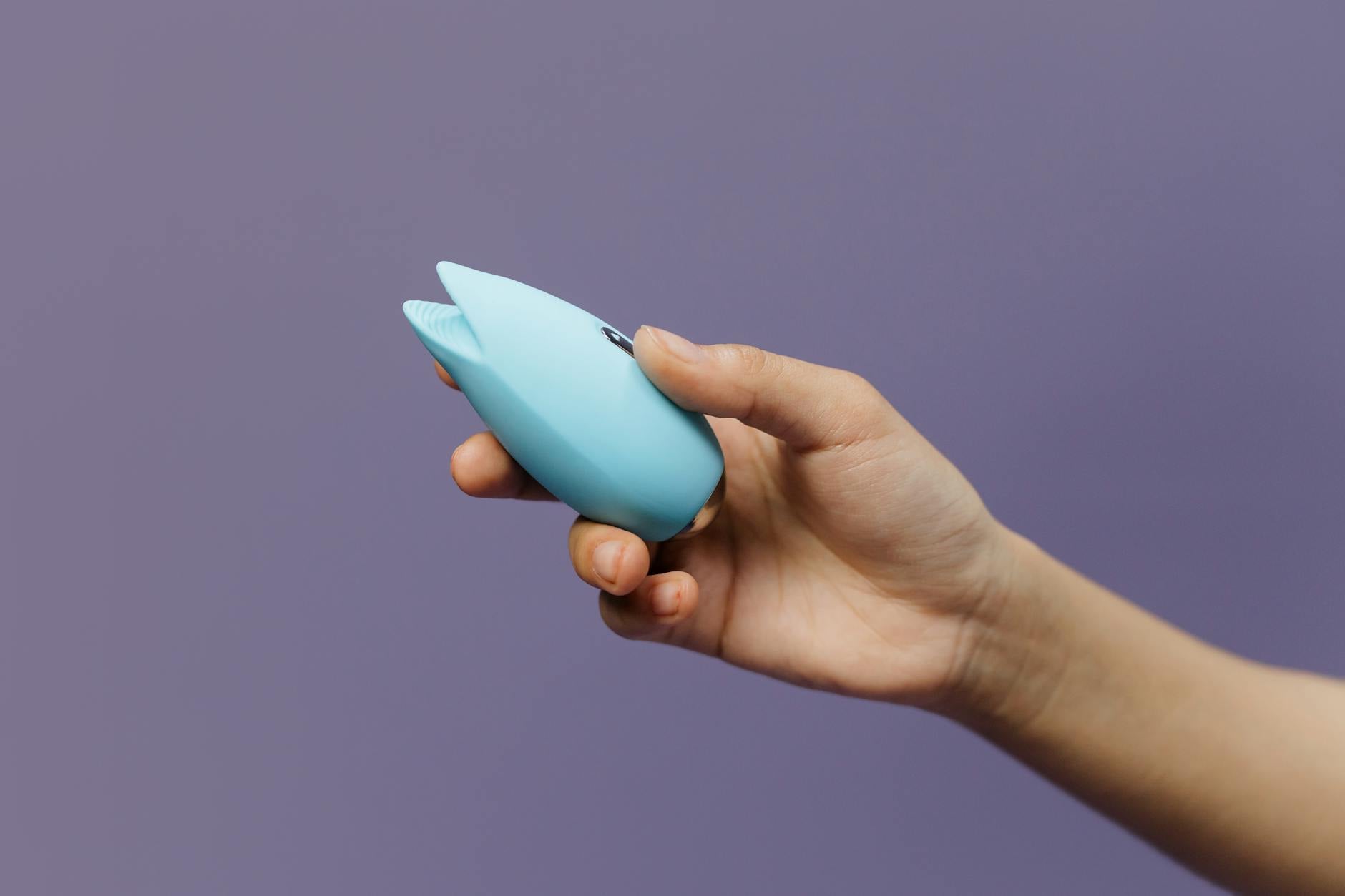
Let's start with what nobody tells you about recovery time
Your body needs space between orgasms. That space used to feel shorter, maybe nonexistent. Now it feels longer. And somewhere along the way you decided that meant something was broken. It isn't.
Refractory periods are completely normal. They're actually a feature of how pleasure works, not a bug. And the moment you stop fighting them, multiple orgasms become not just possible but actually enjoyable, instead of a race you're losing.
Why recovery time changes in the first place
Here's the physiology without the jargon. After an orgasm, your nervous system recalibrates. Blood flow normalizes. The clitoral glans desensitizes slightly. Your brain produces prolactin, which is basically the "rest now" hormone. How long that takes depends on age, hormones, pelvic floor tension, and how intense the first orgasm was.
Younger bodies often have shorter refractory periods. As you age, as stress increases, as hormones shift, that recovery window tends to lengthen. Some people find it stretches from seconds to minutes. Others experience hours. Both are normal.
The other factor nobody mentions: how you're using lemon clitoral vibrators matters here. Sustained, high-intensity stimulation can create a longer recovery need because you've worked the tissue hard. That's not damage. It's just fatigue, same as any muscle.
The refractory period is actually your advantage
Instead of trying to power through it, use it. That recovery time is when something interesting happens. While your clitoris is resting, the surrounding tissue stays aroused. Your pelvic floor is still engaged. Your breathing is still elevated. Your mind is primed.
This is the sweet spot for building sensation differently. You're not chasing the same kind of stimulation twice. You're layering pleasure in a different register. Many people find their second or third orgasm comes faster and stronger when they've used that recovery window to shift focus.
With a lemon clitoral vibrator, you can use this intelligently. After the first orgasm, ease off intensity entirely. Switch to a lower pattern or just hold the toy against your skin without turning it on. Let your body rest while staying in contact with the source of pleasure. After two to five minutes, your clitoral glans will start responding again. When it does, you're often in a state of heightened arousal without having forced it.
How to actually use lemon adult toys during recovery time
Step 1: Rest, don't retreat. After your first orgasm, keep the lemon vibrator in contact with your skin, but turn off the suction or vibration. This is not the same as stopping entirely. You're signaling to your nervous system that pleasure is still on the menu, but you're hitting pause on intensity.
Step 2: Breathe and wait. Two to five minutes is the median recovery window for most people. During this time, focus on breathing deeply and noticing what's happening in your body. Arousal doesn't disappear during recovery. It's there, quieter. Your job is to notice it without demanding more from yourself.
Step 3: Start with gentle contact. When you feel the first flicker of renewed sensation, begin again at the lowest intensity. This isn't a race back to the peak. You're exploring the building phase a second time, which has a different flavor than the first approach.
Step 4: Vary the stimulation. Instead of returning to the pattern that worked before, try a different one. If you used continuous suction, try pulsing. If you focused on the clitoral glans, shift slightly to the shaft or the visible part of the clitoris. This variation prevents desensitization and often makes the second orgasm arrive faster.
The role of pelvic floor tension in recovery time
There's something that rarely gets discussed but changes everything. If your pelvic floor is chronically tight, recovery time often stretches. A tense pelvic floor stays partially contracted even during rest, which slows the nervous system's ability to reset.
One of the most useful things you can do between orgasms is actually relax your pelvic floor completely. Not a Kegel, not a contraction. A release. Some people find this easier with breathing: breathe in through the nose, and as you exhale, consciously soften the muscles between your genitals and your anus. Let your pelvic floor drop. This sounds subtle but it accelerates recovery dramatically.
Lemon vibrators work really well in tandem with this because the toy gives you something to focus on while you're releasing tension. You're not just trying to think yourself into relaxation. You have a sensory anchor.
When recovery time signals something to pay attention to
Longer recovery doesn't need to be fixed, but some patterns are worth checking. If your refractory period suddenly extended by hours when it used to be minutes, or if you're experiencing pain during recovery, those are worth mentioning to a healthcare provider.
If recovery time is accompanied by numbness or tingling that doesn't resolve within an hour, you might be putting sustained pressure on a nerve. Shift position or take a longer break.
Most importantly, if you're experiencing recovery times so long that you're losing interest in pleasure altogether, that's different from just a slower refractory period. That might be hormonal, stress-related, or about medication. Worth exploring with a doctor, not just pushing through with more intensity.
The mental side of recovery time
Honestly, a lot of the frustration around longer recovery periods is psychological. You want it to work the way it used to. Your body wants to go slower. One of you is going to win this argument, and the faster you accept it's your body, the better the experience becomes.
Many people find that when they stop trying to achieve multiple orgasms and instead just explore recovery time as another phase of pleasure, multiple orgasms arrive without effort. It's counterintuitive, but pressure is the enemy of expansion.
This is where using lemon sexual toys becomes almost meditative. You're not chasing a goal. You're noticing what your body does when you pay attention to it. That shift in mindset alone changes the experience.
Building stamina and exploring blended sensation
If you want to experience more consecutive orgasms, two strategies work better than brute force. First, practice with lower-intensity stimulation from the start. Many people find that orgasms from gentler patterns have shorter recovery periods than orgasms from maximum intensity. You're trading peak intensity for accessibility.
Second, explore sensation beyond clitoral focus. Using a lemon clitoral vibrator on the clitoris while engaging your pelvic floor, or while focusing on a fantasy or partner touch, can distribute the sensation work. When pleasure is layered across multiple sensations, recovery happens differently.
Some people find that after a clitoral orgasm, shifting to internal stimulation (if you want penetration) allows you to build arousal while your clitoral recovery window is still open. You're not demanding the same tissue do the same work twice immediately. You're distributing the load.
The real timeline for multiple orgasms
Let's be concrete. If your recovery period is three to five minutes, a second orgasm might arrive within ten to fifteen minutes of the first if you're using your recovery time strategically. A third might come more quickly, maybe five to eight minutes later, because the nervous system is warmed up and your pelvic floor is engaged.
If your recovery period is longer (ten to twenty minutes), you're looking at a slower timeline, but the same principles apply. Use that recovery window intentionally. Don't force it. And understand that three orgasms across forty-five minutes of focused pleasure is still multiple orgasms, even if it doesn't match the fantasy version.
With lemon vibrators specifically, the air-suction design often creates shorter recovery periods than traditional vibration because it distributes stimulation differently. Many people report that they're ready for a second round more quickly with suction-based toys than with intense vibration.
Troubleshooting longer-than-expected recovery
If you're finding recovery times are consistently longer than you'd like, check these factors. Are you using high intensity from the start? Dial it back. Are you barely resting between rounds, trying to push through fatigue? Take longer breaks. Is your pelvic floor tight throughout daily life? Pelvic floor physical therapy or daily relaxation practice changes this.
Are you stressed, sleep-deprived, or dealing with a lot? Recovery times extend under stress because your nervous system is already activated. Your body isn't refusing pleasure. It's asking for a slower pace.
Hormonal factors matter too. Some phases of your cycle have longer refractory periods. Some medications affect recovery time. None of these are personal failures. They're just information about what your body needs.
The bigger picture
Your recovery time isn't a countdown to restart. It's part of the pleasure itself if you let it be. That quiet phase between orgasms, where arousal softens but doesn't disappear, where your breath is still fast but no longer frantic, where your body is asking for gentleness? That's as much part of sex as the peaks.
Lemon clitoral vibrators are useful precisely because they give you options during recovery. Low intensity, contact without activation, varied patterns, all of it lets you honor what your body needs instead of fighting it. The multiple orgasms come naturally when you stop trying to force them to look the same as they used to.
People also ask
Why does recovery time get longer as you age?
Recovery periods lengthen with age for several reasons. Prolactin, the post-orgasm hormone that signals rest, rises more after climax as you get older. Nerve sensitivity changes. Blood flow patterns shift. Hormonal changes (whether from natural aging or medical transitions) affect the nervous system's refractory window. This is completely normal and doesn't mean your body is failing. It means it's asking for a different approach to pleasure.
Can lemon vibrators actually shorten recovery time?
Not directly. But the way you use them affects recovery. Lower-intensity stimulation from toys like lemon clitoral vibrators often creates shorter recovery periods than high-intensity vibration. Air-suction designs, which distribute stimulation more broadly across the tissue, sometimes facilitate faster regeneration than concentrated vibration. Most importantly, toys give you options during recovery so you can work with your body's pace instead of against it.
Is a longer recovery time between orgasms a sign something is wrong?
Not necessarily. Longer refractory periods are a normal part of aging and life changes. They become worth investigating with a healthcare provider if they arrive suddenly with no obvious cause, if they're accompanied by pain or numbness, or if they're combined with complete loss of desire. A gradual lengthening of recovery time over months or years is usually just your body changing, not a medical problem.
How can I tell if my recovery time is too long?
There's no "too long." It's individual. But if your recovery period is making it impossible to experience pleasure in the way you want, or if it's causing frustration or relationship tension, exploring the factors above is useful. Stress, sleep, hormones, pelvic floor tension, and how intensely you stimulate all play a role. Change one thing at a time and notice what shifts.
What's the difference between refractory period and just losing interest?
A refractory period is physiological. Your nervous system and tissues literally need time to recover. Losing interest is different. You might feel arousal disappear entirely, or feel disconnected from pleasure. If your recovery period is short but your interest in continuing is gone, that's often about mental factors (pressure, boredom, distraction) or about how the first experience felt. Worth exploring separately from the physical refractory period.
Can I use lemon vibrators continuously through recovery or should I stop completely?
Keeping the toy in contact but turning off stimulation often accelerates recovery and feels better than stepping away entirely. Some people prefer complete breaks. Try both. You might find that keeping a lemon clitoral vibrator touching your skin during recovery, even without activation, keeps arousal tethered while your nervous system resets. This bridges the gap between the first and second round more smoothly than stopping completely and then restarting from further back.
Final thoughts
Your body isn't asking you to accept less pleasure. It's asking you to seek it differently. Recovery time isn't a failure. It's a threshold, and the moment you step through it intentionally instead of fighting it, multiple orgasms become something that happens naturally, not something you have to force.
If you're curious about exploring this with lemon vibrators, start with lower intensity and longer recovery windows. Pay attention to what your body actually needs, not what you think it should want. The pleasure you'll find on the other side of that acceptance is often better than what you were chasing before.
Have questions about using clitoral vibrators or navigating changes in your pleasure? Reach out to us at Lemon Vibrators Shop. We're here to help.
References
- Komisaruk, B. R., Beyer-Flores, C., & Whipple, B. (2006). The Science of Orgasm. Johns Hopkins University Press.
- Meston, C. M., & Frohlich, P. F. (2000). The neurobiology of sexual function. Archives of General Psychiatry, 57(11), 1012-1030.
- Basson, R. (2000). The female sexual response: A different model. Journal of Sex & Marital Therapy, 26(1), 51-65.
- Gerhard, M. (2011). Dynamics of pelvic floor muscle function during the menstrual cycle. Current Opinion in Obstetrics and Gynecology, 23(5), 408-413.