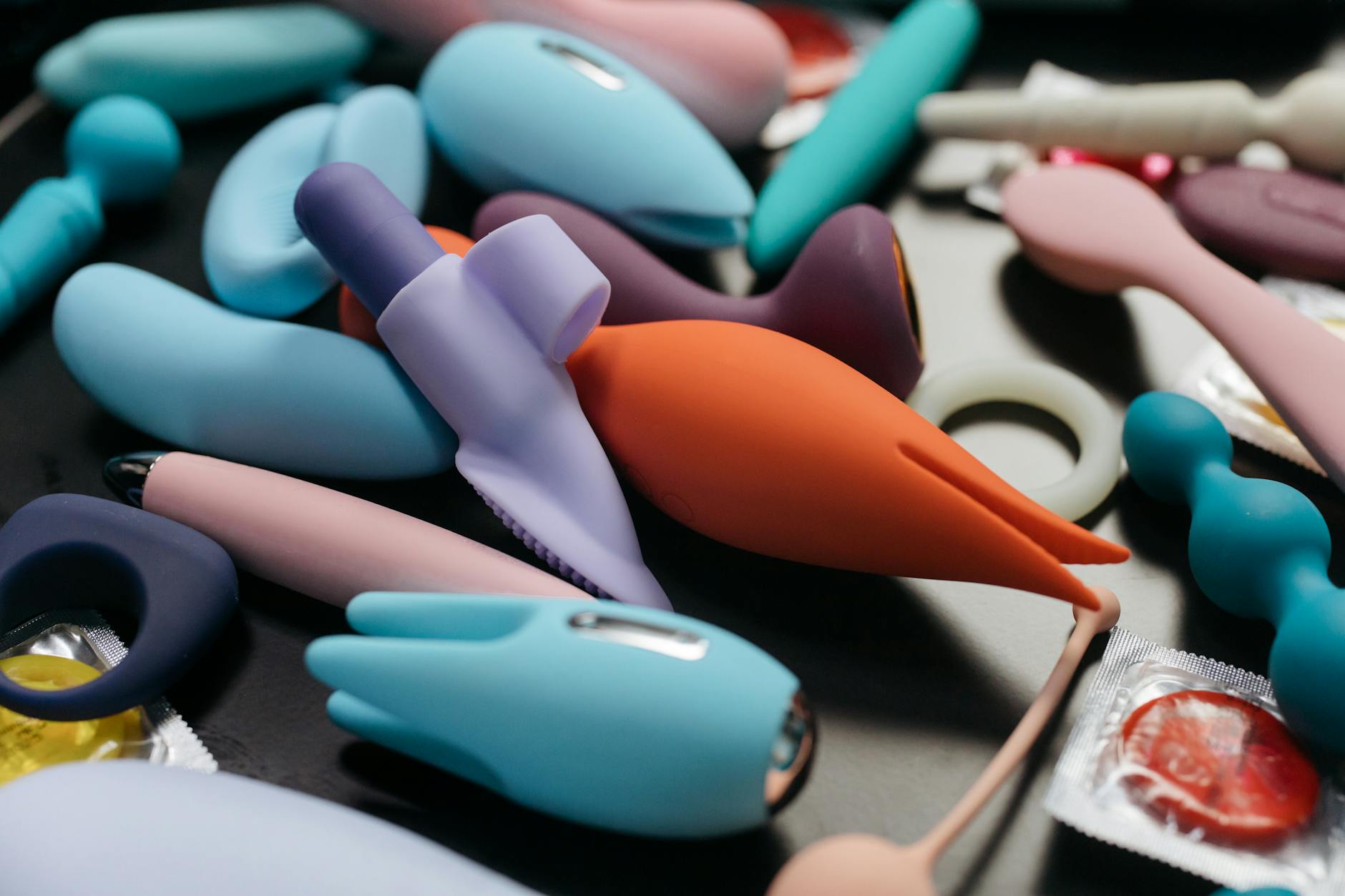
How to Use Lemon Vibrators When Physical Sensation Changes With Age
Let's be real. Something shifts. Orgasms that used to arrive on schedule take longer. Touch that felt electric sometimes feels more like background noise. Your partner notices it. You notice it. And then you start wondering if this is just what aging looks like, or if there's actually something you can do about it.
Here's the honest truth. Your nerve endings don't disappear with age. Your capacity for pleasure doesn't have an expiration date. What does change is how quickly your body wakes up, how intensely sensation registers, and what kinds of stimulation actually work. That's not loss. That's just different. And different can actually be better.
What actually happens to sensation as you age
Your skin thins slightly. The layers of tissue under the surface have less collagen, which means less cushioning and less bounce-back. Nerve density stays mostly the same, but the nerve fibers themselves slow down a little. Think of it like a guitar string that's still perfectly functional, just slightly less taut.
Blood flow to the genitals takes longer to ramp up. That means arousal is less of a flash and more of a fade-in. For some people, that's frustrating. For others, especially after years of racing through sex to meet someone else's timeline, it's actually a gift. You get more time to actually feel things.
Hormonal changes matter too. After 50, estrogen shifts even if you haven't gone through menopause. Testosterone levels drop (and yes, everyone with ovaries produces testosterone). These changes affect tissue thickness, lubrication, and how the pelvic floor muscles contract during orgasm.
But here's what doesn't change. Your clitoral structure remains intact. The nerve pathways for pleasure are still there. Your brain is just as capable of processing sensation as it ever was. People in their 60s, 70s, and beyond report some of the most satisfying orgasms of their lives. That's not poetry. That's neurology.
Why sensation feels different (and what to do about it)
Three big reasons things might feel muted.
Slower blood flow means slower arousal. Your body used to hit the accelerator in 5 minutes. Now it's 15 or 20. That's not a flaw. That's just the new pace. The solution is building in longer foreplay, more consistent stimulation, and patience. Most people discover that by the time orgasm actually arrives, it's deeper and more full-bodied than the quick hits of earlier decades.
Tissue changes mean you need different pressure. Thinner, more delicate tissue is actually more sensitive to certain kinds of touch, but more fragile with rough friction. This is where lemon clitoral vibrators become game-changing. The suction mechanism of a lemon vibrator doesn't rely on harsh pressure the way traditional vibrators do. Instead, it creates a gentle seal that pulls the clitoris slightly into the device, stimulating the entire nerve network without sandpaper friction. For aging bodies, this is often more effective and far more comfortable.
Your old favorite move might not work the same way. Direct, high-intensity vibration that drove you wild at 35 might feel overwhelming or even slightly painful at 55. That's not a loss of capacity. It's a shift in what actually feels good. Lemon vibrators are gentler by design, which means you can use them at lower settings and still get intense sensation, or use higher settings without pain.
The mental part is half the battle
Here's what I see in my practice again and again. Someone assumes their body has betrayed them, when really their expectations just haven't caught up with their body's actual timeline.
Your orgasms might look different now. They might take longer to build. They might feel more concentrated in one area instead of radiating outward. They might be quieter. They might be wilder. None of these variations mean you've lost capacity. They mean you're in a new phase.
The shift from "instant arousal, quick orgasm" to "slow build, deeper release" is often more satisfying if you actually let it be. The problem is we've been taught that faster equals better. It doesn't. It's just different. And when you stop resisting the different and start working with it, everything changes.
How to use lemon vibrators as sensation changes
Four practical adjustments.
Start at a lower setting than you think you need. If you used a high-intensity vibrator before, you might assume you need the same level of power now. Wrong. The suction mechanism in a lemon vibrator delivers sensation differently. Start at pattern 1 or 2, and most people find that's actually plenty. You're not losing sensation. You're just accessing it through a different door.
Add more warm-up time. Instead of 5 minutes of foreplay, plan for 20. That's not compromise. That's strategy. The longer your body has to prepare, the more blood flow reaches the genitals, the more receptive everything becomes. Use this time for touch, kissing, conversation, or just letting your brain catch up to what your body's doing.
Lube is not optional. If tissue has thinned, lube removes friction and adds glide. Water-based lubes work best with silicone toys like lemon vibrators. They warm up with body heat and don't get sticky the way they sometimes do on other surfaces. This isn't about being "wet enough." It's about reducing friction and increasing comfort.
Use rhythm instead of intensity. Older bodies often respond better to consistent, repetitive stimulation at moderate levels than to sporadic bursts of maximum power. The lemon vibrator is perfect for this because you can set it to a mid-range pattern and just let it do its job. Your nervous system will do the rest.
When sensation changes are actually good news
I want to circle back to something important. For a lot of people, especially women, aging brings freedom from orgasm pressure. You're not trying to come on someone else's timeline. You're not performing. You're not worried about whether you're taking too long. You're just exploring what actually feels good.
That mental shift alone transforms everything. Orgasms tend to be more intense when you're present instead of anxious. When you're focused on sensation instead of performance. When you've got time instead of rushing.
Some of my clients report that their first truly satisfying orgasms happened in their 50s or 60s, after they started using lemon sexual toys and actually gave their bodies permission to take the time they needed. That's not an exception. That's something I hear regularly.
When to talk to a doctor
If pain shows up during or after sex, that's worth mentioning to your GP. Sometimes it's tissue-related and fixable with topical treatment. Sometimes it's pelvic floor tension that physical therapy can address. Sometimes it's something else entirely. Don't just assume it's inevitable.
If arousal has completely disappeared and nothing is helping, that's worth exploring too. Sometimes it's hormonal, sometimes it's medication-related, sometimes it's emotional. A good clinician can help you sort it out.
The bigger picture
Aging doesn't end pleasure. It reorganizes it. Your body isn't broken. It's just asking you to pay attention differently. To slow down. To use different tools. To be more intentional.
Lemon vibrators, with their gentle suction approach to stimulation, are genuinely better for many aging bodies than the vibrators that might have worked in earlier decades. Not because your body is weaker, but because this technology is actually smarter for how sensation works at every age.
Your pleasure doesn't have an expiration date. It just evolves. And if you're willing to evolve with it, the results can be richer than ever.
FAQs
Will my sensation ever come back to what it was when I was younger?
Sensation doesn't really "go back." It reorganizes. The acute, lightning-bolt intensity of youth often transforms into something deeper and more full-bodied. Many people prefer it. That said, if you're experiencing actual numbness or dramatic loss of feeling beyond the normal shifts of aging, it's worth talking to a healthcare provider. Sometimes medication, hormone changes, or underlying health issues are involved, and those are treatable.
Is it normal for orgasms to take longer as I get older?
Completely normal. Blood flow changes, hormonal shifts, and neural changes all mean arousal takes longer to build. That's not dysfunction. That's biology. Most people who actually lean into the slower pace discover it's more pleasurable, not less. You get to feel more of the journey instead of racing to the destination.
Do I need to use lemon vibrators differently at 50 than I did at 30?
Yes, usually. Older bodies often prefer lower intensity settings, longer warm-up, more lube, and more consistent rhythm instead of sporadic pulses. The beautiful thing about lemon clitoral vibrators is they're designed for gentle stimulation, so you can use them at lower settings and still get real sensation. Start with pattern 1 or 2 and work up from there.
Can aging affect how lemon sexual toys feel compared to other vibrators?
Absolutely. Lemon vibrators use suction rather than direct vibration, which is gentler on thinner, more delicate tissue. For aging bodies, this often feels better than traditional high-intensity vibrators that can sometimes feel overwhelming or even irritating. If you've found regular vibrators uncomfortable as you've gotten older, a lemon vibrator is often a game-changer.
Is it okay to use lemon vibrators if I have vaginal dryness?
Yes, with lube. Dryness is common with aging, and it makes friction-based stimulation uncomfortable. Lemon clitoral vibrators work especially well with dryness because they don't rely on friction. Pair them with water-based lube and you get comfortable, effective stimulation. The suction approach actually works beautifully when tissue is thinner and more sensitive.
Should I talk to my partner about sensation changes?
Yes. Separate the two conversations though. "My body is responding differently to touch" is different from "I want us to reconnect physically." One is about adaptation. One is about desire. Lumping them together creates confusion. Be specific. "I need more time to get aroused" is information your partner can actually use. That's far more helpful than "sex doesn't feel the same."
Final thought
Aging is not the end of your sexual story. It's often the chapter where you finally have the time, permission, and self-knowledge to make it actually good. Tools like lemon vibrators help you adapt to physical changes without compromising pleasure. Your body hasn't failed you. It's just asking you to pay attention in a new way.
If you're curious about how lemon clitoral vibrators could work for your body, we're here to help. Questions about sensation, comfort, or how to use them? Reach out at /contact.