
Here's what nobody tells you about timing
Orgasms used to arrive on schedule. Now they're late. You're not broken. Your body isn't malfunctioning. What's actually happening is that your arousal system is asking for more time, more attention, or different types of stimulation. And that's workable. Really workable. Using lemon clitoral vibrators designed for sustained pleasure changes the entire equation.
I work with people almost every week who describe exactly this: the sensation used to build quickly, plateau, and release. Now there's a gap. The gap feels like failure. It isn't. It's just a change in how your nervous system operates, and once you understand why, you can design a whole new kind of experience.
Why your timeline shifted
Three major culprits tend to show up together. Stress reduces blood flow to the pelvis, which means tissue engorgement (the physical swelling that enables sensation) takes longer to happen. Hormonal fluctuations, whether from birth control, aging, or medication, alter the sensitivity of nerve endings in the clitoris. And mental load. If you're carrying relationship friction, work deadlines, or family logistics into the bedroom, your brain is literally too busy to signal arousal. Your body can't respond to what your mind isn't prioritizing.
There's also the simple fact that bodies change. Tissue thickness shifts. Nerve sensitivity recalibrates. Pelvic floor tension (even when you're not consciously aware of it) can dampen sensation by 40 percent. None of this is permanent or irreversible. It just means your body has new parameters.
The problem with old strategies
Here's where most people get stuck: they use the same lemon vibrator patterns and pacing that worked five years ago, get frustrated after ten minutes, and assume something's wrong. What's actually happening is that the stimulation they're providing is too fast for the arousal that's happening. It's like trying to run before you've warmed up.
Fast vibration intensity can actually backfire when arousal is building slowly. It triggers protective tension in the pelvic floor instead of relaxation. Think of it this way. If you're not ready for a sprint, someone pushing you to run faster makes you tense up. Your body says no. Same mechanism in the pelvis.
How lemon vibrators actually help
A good clitoral vibrator, especially something like the Lemon Clitoral Vibrator, gives you control over timing in ways your hand or a partner can't match. You can stay at lower patterns (1 through 3) for as long as you need, building arousal gradually instead of forcing it. The suction-based design of air-pulse lemon sexual toys means you're stimulating deep nerve clusters without aggressive friction, which is gentler on tissue that's responding slowly.
The rhythmic, consistent stimulation also helps your nervous system settle. Inconsistent touch (partners trying to find the "right" spot, hands getting tired, stopping and starting) keeps your system in a state of evaluation. A reliable vibrator pattern lets your brain relax and your body settle into pleasure.
Building arousal in phases instead of rushing it
Think of slow-building orgasms as a three-phase process instead of a single climb. Phase one is permission. You're telling yourself this is allowed to take time. No clock. No "should." Just fifteen to twenty minutes carved out where pleasure is the only goal. This alone speeds things up because your nervous system detects that you're not rushing.
Phase two is gentle contact. Use lemon vibrators on the lowest settings, or alternate between the vibrator and your hand to reduce intensity. Explore what actually feels good right now, not what felt good previously. Bodies change week to week. Some days you need more lubrication. Some days your clitoris is more sensitive and lower intensity feels better. Meet your body where it is.
Phase three is sustainable stimulation. Once you feel arousal building (that first real flutter of sensation), find a pattern or intensity that feels sustainable and stay there. Don't chase the orgasm. Let it approach you. Many people make the mistake of speeding up once they feel the approach. It often backfires. Consistency wins.
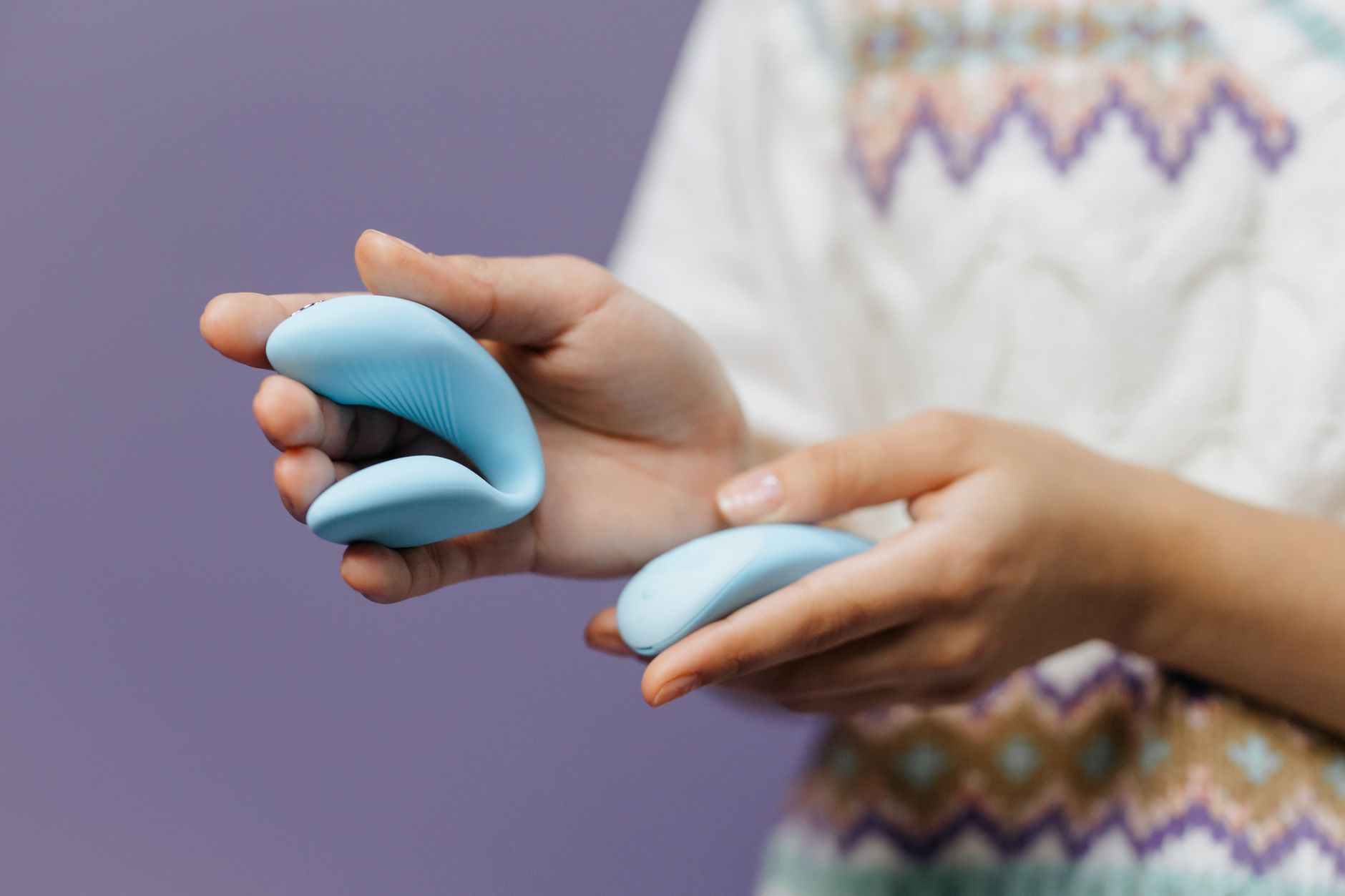
Photo by cottonbro studio on Pexels
The role of lubrication and comfort
When arousal takes longer to build, adequate lubrication becomes essential, not optional. Water-based lube isn't just about comfort. It reduces the effort your tissue has to produce internally, which means your body can focus energy on arousal instead of defensive response. Reapply it. Don't let friction build. A body that's working hard to overcome dryness is a body that's not relaxing into pleasure.
Position matters too. If you're gripping the device or holding your body in tension, you're working against yourself. Lie down. Use a pillow. Get comfortable enough that your only job is feeling. Your pelvic floor needs to be able to relax, and that doesn't happen when your legs or back are tense.
Communication with partners during slower arousal
If you're with a partner, this is important. Tell them what you discovered. "My body is asking for more time now" is not a criticism of them or a problem to solve. It's data. It's helpful. A partner who understands that slow arousal means better orgasms (which is often true) can lean into this instead of feeling rejected by the pace.
Consider using lemon vibrators together without penetration being the goal. Sometimes a partner's presence and attention, combined with self-directed stimulation via a clitoral vibrator, creates connection without the pressure of synchronized timing. You're both present. You're both engaged. And your body gets exactly what it needs.
When medication or stress is the real issue
Some medications flatten arousal across the board. SSRIs are the classic example. If timing shift coincided with a new prescription, talk to your doctor about whether adjustment is possible or whether adding a secondary medication might help. These conversations matter and they're not rare.
Stress is equally real. If your arousal timeline shifted after a major life transition, relationship conflict, or career pressure, no vibrator is going to solve the underlying problem. But a lemon vibrator can help you maintain connection to your body while you work through the actual stressor. Think of it as holding space rather than fixing things.
The unexpected benefit of slow arousal
Here's something I notice consistently: people who've shifted to longer arousal timelines often report more intense orgasms and longer plateaus. When arousal builds gradually, your clitoris has time to really engorge. Tissue fills with blood. Nerve sensitivity peaks. The orgasm that finally arrives tends to be deeper and longer than the quick ones used to be.
Slow doesn't mean less. It usually means more. Once you stop fighting the pace and start designing for it, pleasure expands.
What to actually do starting today
Grab twenty minutes. Use a lemon clitoral vibrator on the lowest pattern. Apply lube generously. Lie down without any goal except noticing sensation. Don't count minutes or wait for a specific result. Stay at low intensity for at least ten minutes. Your job is building comfort with this pace, not achieving an orgasm tonight. Arousal systems that have been rushing can take a few sessions to learn how to trust a slower rhythm.
If nothing happens, that's fine. You've taught your body that it can take time. That's the win. Most people find that once their system realizes there's zero pressure and infinite time, arousal accelerates naturally.
Orgasms that take longer to build aren't a flaw. They're an invitation to pay closer attention, use better tools, and build deeper connection with how your body actually works. Lemon vibrators make this possible.
People also ask
Is it normal for orgasms to take longer as you age?
Completely normal. Tissue changes, hormonal shifts, and nervous system remodeling all happen over time. This doesn't mean you've lost capacity for pleasure. It means your body is asking for different kinds of stimulation. Many people find that once they adjust their approach, orgasms become more reliable and intense than they were before. Using clitoral vibrators designed for sustained pleasure helps significantly.
Should I try higher intensity if lower intensity isn't working?
Not necessarily. High intensity often backfires when arousal is building slowly because it triggers pelvic floor tension instead of relaxation. Think of it as pressing too hard on a door that wants to open slowly. Lower intensity, more time, and consistent rhythm tend to work better. If lower patterns truly don't register, that's a signal to check for other issues like medication side effects or relationship stress.
How long should I actually wait before assuming something's wrong?
Give yourself at least five to ten minutes at the point where you first feel arousal building. Many people stop right when things are actually starting because they expect it to happen faster. Your body might need fifteen to twenty minutes total to build to orgasm now. That's workable and worth the time investment.
Can lemon vibrators help with slow arousal specifically?
Yes. Lemon sexual toys, especially air-suction clitoral vibrators, provide consistent, controllable stimulation that your body can sync with. You can stay at low patterns for as long as needed without fatigue or inconsistency. The suction design also stimulates deeper nerve clusters that might respond better than direct vibration when arousal is slow to build.
Does lubrication really make that much difference in arousal speed?
It does. When tissue isn't getting enough lubrication naturally, your body has to work harder to create it. That effort pulls energy away from arousal signals. Adding external lube reduces that friction cost and lets your body focus on pleasure instead of compensation. It's not a workaround for missing desire. It's removing friction so arousal can actually build.
What if my partner gets impatient with the timeline?
This is worth addressing directly. Frame it as new information, not as a problem. "My body is asking for more time, and the orgasms are actually better this way" puts it in terms of mutual benefit. If your partner interprets slower arousal as rejection or sees it as work, that's a different conversation about relationship dynamics. Consider using lemon vibrators during partner sex so they're present but not responsible for your arousal. You're directing the pace. They're present.
What's next
Slow arousal isn't a flaw you need to rush past. It's new information about how your body works now. Once you honor that timeline instead of fighting it, pleasure deepens. Lemon vibrators give you the precision and control to work with slow arousal instead of against it. Start with low intensity, generous lubrication, and time. Let your body set the pace. The orgasms will follow.
If you're still struggling after a few weeks, or if slow arousal showed up suddenly alongside other physical changes, reach out to your doctor or a relationship coach. Sometimes the answer is medical. Sometimes it's relational. Usually it's both. Either way, you deserve support figuring it out. Get in touch.