Let's talk about what surgery actually changes
When you've had surgery on or around the vulva, clitoris, or pelvic area, your relationship with oral stimulation shifts in real, specific ways. The tissue feels different. Sensation might feel muted, or weirdly hypersensitive. The lightness of someone's tongue, which used to feel amazing, might now feel unpredictable or uncomfortable. And honestly? That's completely normal.
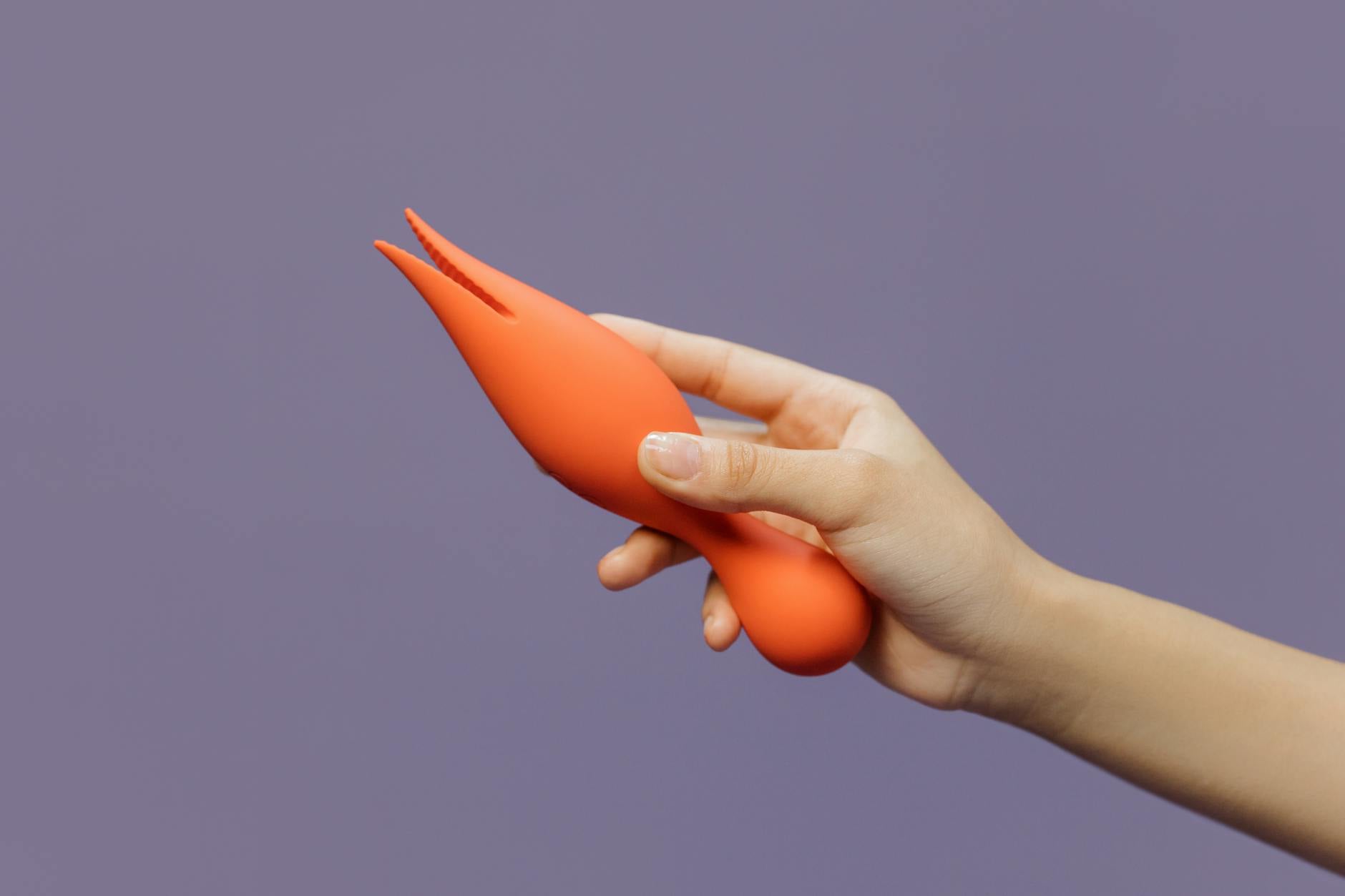
Surgery disrupts nerve pathways, changes scar tissue behavior, and shifts how your body interprets touch. Oral sex, which requires trust and precision from a partner, becomes harder to navigate when you're not sure how your own body will respond from one moment to the next. Enter clitoral vibrators like those from Lemon Vibrators Shop. They give you control, consistency, and a path back that doesn't depend on someone else's technique.
Why vibrators work better than oral stimulation during recovery
Three mechanical advantages stand out immediately. First, vibration is predictable. A clitoral vibrator delivers the same rhythm, intensity, and pattern every single time you use it. Oral stimulation requires trust in your partner's read of your body, and post-surgery, you might not feel confident reading yourself yet. Second, vibrators let you control depth and pressure with zero negotiation. You can start light, increase gradually, and stop instantly if something feels sharp or overwhelming. Third, the suction mechanism in devices like the Lem works for surgical recovery specifically because it stimulates nerves without direct friction on potentially sensitive tissue. You're getting clitoral stimulation through gentle suction rather than direct tongue contact.
The timeline: when vibrators fit back into recovery
Check with your surgeon first. Most gynaecological surgeries (hysterectomy, vulvectomy, clitoral hood reduction, labiaplasty) clear you for solo pleasure around 6-8 weeks post-op, as long as you're avoiding penetration and keeping everything clean. Some surgeons say 4 weeks. Others say 12. You'll know yours.
Start conservatively. Your first session back shouldn't be with the highest intensity setting. Begin with pattern 1 or 2 on a lemon vibrator, spend 15-20 minutes just relearning what sensation feels good, and stop if anything pinches or burns. Scar tissue is still healing even when you're technically cleared. It's tender. It needs gradual reintroduction to stimulation.
How to use a clitoral vibrator safely post-surgery
Four tactical shifts from your pre-surgery routine:
Start further away. Don't apply the vibrator directly to the clitoris immediately. Hold it an inch or two above the area, or position it along the side of the clitoral mound. This gives you stimulus without pressure on the most sensitive surgical site. You can move closer over weeks as scar tissue softens and sensation normalizes.
Use lube intentionally. Water-based lubricant isn't optional post-surgery, it's protective. It reduces friction, helps the vibrator glide smoothly, and creates a barrier between the toy and healing tissue. Reapply halfway through if things start feeling dry.
Keep sessions short. Fifteen to twenty minutes is plenty. Longer sessions mean more tissue irritation, more swelling, and slower healing. Quality over duration. A focused 15-minute session with a lemon clitoral vibrator will give you better results and faster recovery than 45 minutes of tentative exploration.
Watch for signals. Swelling the next day means you pushed too hard. Throbbing or burning during use means stop now. A little warmth and slight redness are normal. Sharp pain, discharge changes, or persistent swelling warrant a call to your surgeon.
Rebuilding confidence with your partner
If you have one, this is the conversation that matters. Oral sex felt good before. Your partner is probably wondering if they did something wrong, or if you've changed your mind about them. You haven't. Your vulva has.
Explain the specific changes: "The sensation feels different right now because of scar tissue healing." Suggest a pause: "Can we skip oral for another few weeks while I use a vibrator to figure out what feels normal again?" Then invite them back in: "Once I'm reoriented, I'd love to try combining what I'm learning with what we used to do together."
Many partners appreciate the clarity. It's not about them. It's about healing. And honestly, watching your partner support your recovery builds intimacy in ways that surprise people. You're collaborating on your pleasure, not just performing it.
When sensation is still muted months later
If you're 4-6 months post-op and clitoral sensation still feels dampened, vibration intensity matters more. This is where a lemon vibrator's range becomes crucial. Start with lower patterns, yes, but knowing you can scale up to patterns 7-10 if needed takes pressure off the recovery narrative. Your nervous system isn't broken. Scar tissue is still remodeling. Vibration at higher frequencies can sometimes cut through that numbness and remind your nerves they're alive.
Some people benefit from sensation play between vibrator sessions: ice, different textures, gentle temperature shifts. This retrains your nerves to register stimulation. Pair it with a clitoral vibrator a few hours later, and you might notice improved responsiveness.
Bringing oral back in, carefully
Once you're 8-12 weeks post-op and vibrator use feels comfortable, you can gradually reintroduce oral. Start with your partner using their hand to stimulate while they kiss or lightly tongue the surrounding area, not the clitoris itself. This feels safer because your partner can feel your response through their hand and adjust. After another few weeks, they can try light tongue contact on the outer edges, working inward only if it feels good.
You're in charge. If at any point it feels wrong, your partner pulls back without question. This isn't negotiation. It's protection. And partners who understand that usually become better lovers because they stop guessing and start listening.
The psychological piece nobody talks about
Surgery on your genitals carries emotional weight that feels separate from the physical healing. There's often a grief phase: mourning the body you had, the sensations that came easily, the version of sex that didn't require this much thought. A lemon vibrator isn't healing that emotion. But it does something equally important. It proves to your brain that pleasure is still possible. That your body still works. That this isn't permanent.
Some people find that their first orgasm back with a vibrator is emotional. You might cry. You might feel relieved. You might feel frustrated that it took work. All of that is fine. You're rebuilding a relationship with your own body. That takes time.
FAQ: Oral sex and surgical recovery
Can I use a vibrator immediately after surgery?
No. Most surgeons clear you for solo pleasure at 4-8 weeks post-op, depending on the procedure and your individual healing. Check your discharge paperwork or call your surgeon's office. Starting too early risks infection and slowed healing.
Will sensation ever feel like it did before surgery?
Often, yes. Most people report that clitoral sensation normalizes within 3-6 months post-op. Some experience slight permanent changes in sensitivity, but that's not loss. It's just different. Many people discover they like different patterns of stimulation post-surgery than they did before.
Is it safe to have a partner use their mouth before I'm healed?
No, not initially. Your surgeon will give you a specific clearance date for partnered activity. Before that, stick to solo exploration with a vibrator. After clearance, ease back in with hand stimulation first, then light touch, then oral. Scar tissue is fragile and prone to re-injury from friction.
Why does a clitoral vibrator feel better than oral during recovery?
Vibrators offer predictable, consistent stimulus without the friction of a tongue. They let you control intensity and depth. And suction-based vibrators like those from Lemon Vibrators Shop stimulate through suction rather than direct contact, which feels gentler on healing tissue.
Can scar tissue prevent orgasm?
Rarely. Scar tissue can numb sensation or change the path to orgasm, but it almost never makes orgasm impossible. It might take longer to build. The rhythm might feel different. But orgasm is still there. Vibration often helps you find it again.
What if my partner worries a vibrator means they're not enough?
Have the conversation directly. Frame it as medical recovery, not criticism. "My surgeon said we should wait on oral for a few more weeks. A vibrator helps me figure out what feels normal while I'm healing. It's got nothing to do with you." Most partners feel relieved to have clarity instead of worry.
Moving forward: pleasure after healing
Your body survived surgery. Now it's learning to feel good again. A lemon vibrator is a tool that teaches you what that looks like. Some people use vibrators throughout their recovery and then move on. Others discover they love them and keep them in rotation even after sensation fully normalizes. Both paths are fine.
The real goal isn't returning to exactly how sex felt before. It's finding what feels good now, in this version of your body, with this healed version of yourself. And that often turns out to be better than you expected.
If you're struggling with recovery beyond the physical realm, or if rebuilding intimacy with a partner feels stuck, reach out. Contact Lemon Vibrators Shop to chat through what you're experiencing. You don't have to figure this out alone.