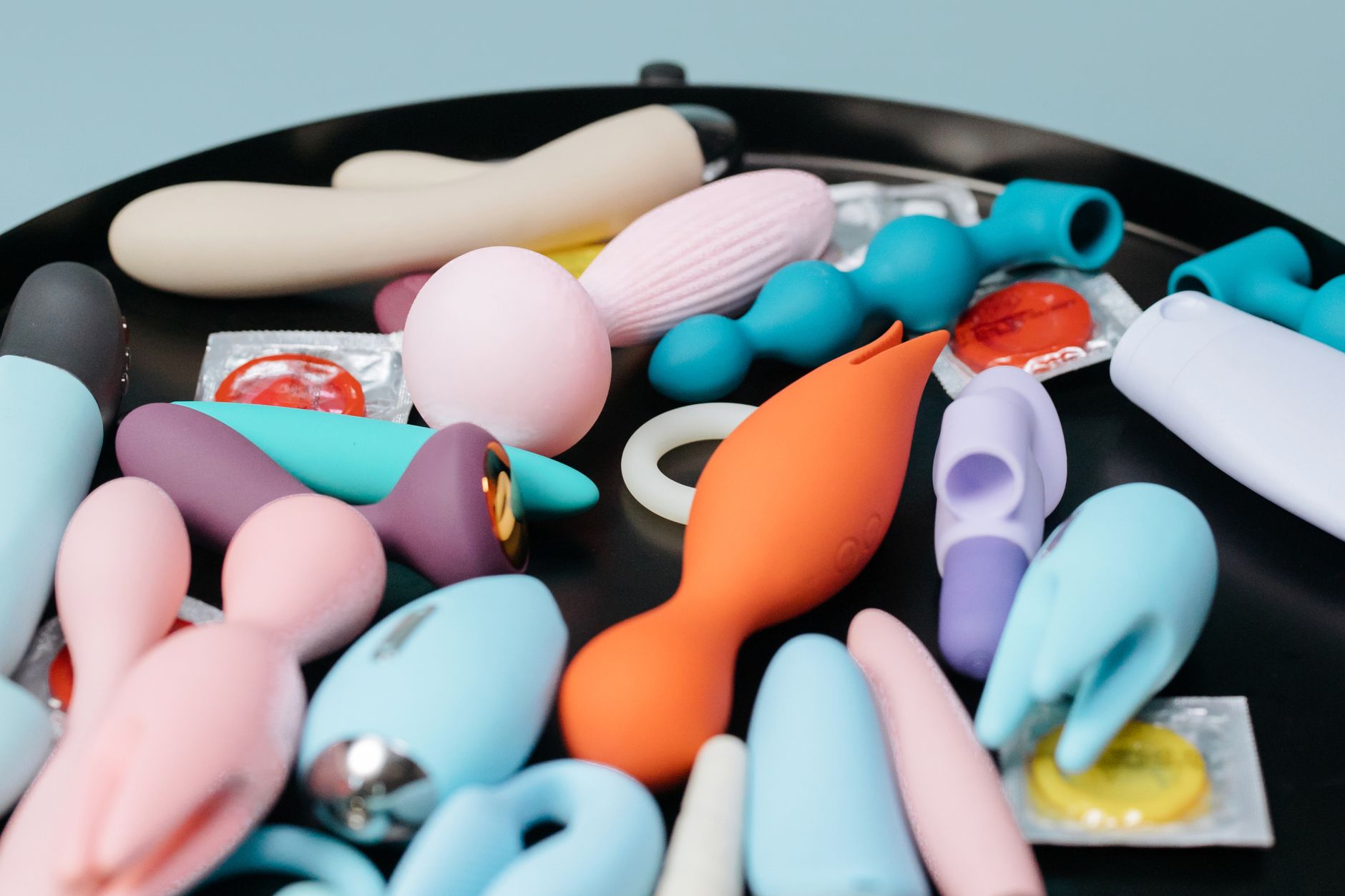
When desire comes back online, everything shifts
You weren't expecting it. Maybe it's been months, maybe years, but suddenly you're noticing things again. A particular touch lands differently. A fantasy pops into your head unbidden. Your body's waking up. And if you're anything like my clients, your first feeling isn't excitement. It's panic.
When libido returns after an absence, there's a strange gap between "I want this again" and "I know how to do this now." Your desire is real. Your body just needs to remember it's allowed to feel good.
Why returning desire feels so disorienting
There's a neuroscience reason for the awkwardness. When arousal goes dormant, whether from depression, stress, medication, or just life grinding you down, your nervous system adapts. It gets comfortable in a low-activation state. Then desire pops back, and suddenly you're asking your body to shift gears without a long runway.
It's like restarting a car that's been parked for eighteen months. The engine turns over fine, but the transmission feels clunky. You're not broken. You're just rusty.
Another thing nobody mentions: guilt often arrives alongside returning desire. If you've been in a relationship where you weren't interested in sex, there's sometimes shame tangled in with the awakening. "Where was this six months ago?" your partner might wonder. Or worse, you wonder it about yourself. That guilt can make early exploration feel fraught instead of joyful.
Separating the two conversations is step one. Your body's recovery is separate from your relationship's recovery. Both matter. Neither can be rushed.
Starting with zero pressure
Here's what I tell people: the goal isn't an orgasm. It's not even arousal. The goal is rediscovery. You're learning what your body likes now, in this moment, at this stage of your life. That version of you is different from the person who went dormant.
When you first use lemon clitoral vibrators after a long break, think of it as reconnaissance, not performance.
Start with pattern recognition instead of intensity. The Lem or any quality lemon vibrator has multiple patterns. On your first few sessions, don't jump to the strongest setting or fastest rhythm. Spend time at pattern 1. Spend more time at pattern 2. Let your nervous system recognize what sensation feels good without demanding an outcome.
This usually takes 3-5 sessions before anything clicks. That's not a failure. That's you remembering.
Build in dead time. After you use a lemon sucker vibrator, don't immediately have a conversation about it. Don't analyze whether it worked. Use it, then do something completely mundane. Make tea. Scroll. Shower. Let the sensations integrate quietly.
Solo first, always. If you're in a relationship and your partner's interested in being part of your return to pleasure, that's lovely. But the first reconnection should be alone. No audience. No expectations. No wondering if they're enjoying watching you, or worried about their own feelings. Your pleasure rediscovery is a solo project.
The physical reality of restarting
When you haven't engaged with sexual pleasure for months, your tissues adapt too. Lubrication production decreases if you're not stimulating the area regularly. Your pelvic floor might tighten up. The neural pathways for arousal get slower to activate.
None of this is permanent. But it means the first few sessions with a clitoral vibrator might feel less intense than you remember. You might not orgasm. You might not even feel particularly aroused. That's normal.
This is where lemon vibrators specifically help. The suction mechanism doesn't require the kind of direct tissue contact that can feel uncomfortable after dormancy. It's gentler as a re-entry point. No friction, less pressure, more versatility.
Water-based lubricant is your friend. Even if you're producing lubrication naturally, adding more helps sensation travel better. Slickness = easier nerve stimulation. This isn't because anything is wrong. It's just mechanics.
Start with 10-15 minute sessions. When you're relearning your body, shorter is better. You're not trying to build to anything. You're gathering data. "Does pattern 2 feel better than pattern 1? Does my body respond better in the morning or evening? Do I prefer more direct pressure or lighter stimulation?" These are your research questions.
Expect some emotional weirdness. Sometimes when pleasure returns after a long absence, people cry. Or feel inexplicably frustrated. Or get angry. This is your nervous system releasing tension, not a sign something's wrong. Let it move through you.
The conversation with your partner, if you have one
If you're partnered, they've probably noticed your libido disappeared. They've also probably had feelings about it. Neither of those things is your job to fix through sex. But rebuilding desire in a couple requires some honesty.
Here's a framework I use: "My body is coming back online. That doesn't mean I'm ready for partnered sex yet. I need some time solo first to remember what feels good. That's not about you. It's about me building confidence again."
Then actually take that time. Don't set an artificial deadline. Don't let them pressure it. Real return of desire takes 4-8 weeks of regular solo exploration before you're ready to bring it into a partnership. That's not excessive. That's respect for the work your nervous system is doing.
When you do eventually explore pleasure together, remember: you're not trying to recreate what sex was before. You're building something new with whoever you are now.
Common speed bumps and what they mean
You're still not feeling anything after two weeks. That's fine. Extend the timeline. Sometimes it takes a month. Keep the exploration low-pressure, keep using lube, and consider whether stress or other factors are still suppressing desire. If you're still grieving, still anxious, still depressed, your body's not holding out on you. It's protecting you.
Your partner wants to join in before you're ready. Kindly say no. "I need more time." You don't owe a detailed explanation or timeline. Your pleasure rediscovery is yours.
You feel shame or guilt about desire returning. That makes sense, especially if depression or a relationship rupture is what killed it in the first place. Talk to a therapist about it if you can. You deserve pleasure without the guilt tax.
You're using the vibrator and it feels numb, not good. Check your lube situation first. Then dial down the intensity and extend the session time. Your body might need 25 minutes to fully activate instead of 10. There's no rush.
If numbness persists for several sessions, that might point to something else. Certain medications, diabetes, or nerve issues can delay sensation return. That's worth checking with a doctor. But in most cases, patience and persistence rewire things pretty quickly.
When to bring a partner in
Once you've had five or six solo sessions where pleasure felt good (not necessarily orgasmic, just good), you can start thinking about partnered exploration.
Start with the lemon vibrator between you, not inside you. Let them hold it. Let them choose the pattern. Let yourself experience pleasure in front of them without performance pressure. This is vulnerability practice, not sex.
If you're ready, tell them exactly what you've learned. "Pattern 2 at this angle feels best." "I need more warm-up time than I used to." "I want to start with this and see if I want anything else." Instructions = freedom. Give them the map so they don't have to guess.
How to use lemon vibrators when libido returns is really just: slowly, with patience, without judgment, and in whatever order your body needs.
FAQ: Rebuilding desire after dormancy
How long does it typically take for libido to fully return after a long break? Every body is different, but most people report meaningful shifts within 4-8 weeks of consistent exploration. Some take longer. The timeline matters less than the consistency. Using a lemon clitoral vibrator twice weekly is more effective than an intense session once a month.
Can you use a vibrator if you haven't had any sexual sensation for months? Yes. Vibrators are actually ideal for reawakening sensation because they provide consistent stimulation that your nervous system can track. Start at low intensity and give yourself time to notice subtle changes before expecting obvious arousal.
Is it normal to feel emotional or irritable during pleasure exploration after dormancy? Completely normal. Your nervous system is releasing stored tension. You might cry, feel frustrated, or experience random anger. That's your body processing. It's not a sign to stop. Let it move through you.
Should you tell your partner you're using a vibrator to rebuild desire? That depends on your relationship agreements. If you typically share what you're doing sexually, yes. If you keep some things private, that's fine too. But do tell them: "I'm taking some time to reconnect with my body. I'm not ready for partnered sex yet, but I wanted you to know what's happening." Transparency about the emotional work matters more than the details.
What if your partner wants to be involved but you're not ready? Your readiness matters more than their timeline. A supportive partner will wait. If they're pushing, that's information about whether they actually care about your pleasure or just want access to your body. Pay attention to that.
Can lemon vibrators help if numbing from medication is part of why desire disappeared? Yes, as part of a bigger picture. Talk to your doctor about the medication timing. Some people find morning exploration works better if numbness is a side effect. Lemon suction vibrators provide strong stimulus that cuts through numbness better than other options.
You're allowed to want this again
Libido returning is a gift, even when it arrives awkwardly. Your body is telling you it has healed enough to want pleasure again. That's worth honoring, even if it feels strange at first. Lemon vibrators work well for this moment because they let you control intensity and pacing completely. You're not performing for anyone. You're remembering yourself. That takes whatever time it needs. If you have questions about your specific situation, reach out to the team at Hello Nancy or consider working with a therapist who specializes in sexuality and relationship recovery. Your pleasure matters.