When depression lifts, desire doesn't always follow immediately
Here's the thing nobody tells you: depression flattens arousal. Not because you're broken. Not because something is wrong with you. Depression is a neurochemical event that literally suppresses the systems responsible for wanting sex. Your libido isn't hiding. It's asleep. When the medication starts working or the fog begins to lift, your libido doesn't wake up on day one. It stirs slowly. And when it does, it can feel confusing, vulnerable, even embarrassing.
I work with clients who've been through this transition, and the most common feeling they describe isn't joy. It's uncertainty. You spent months or years without desire, and now your body is signaling something again. That's disorienting. You might feel rusty. You might worry you've "forgotten how." You might feel disconnected from a body that depression numbed.
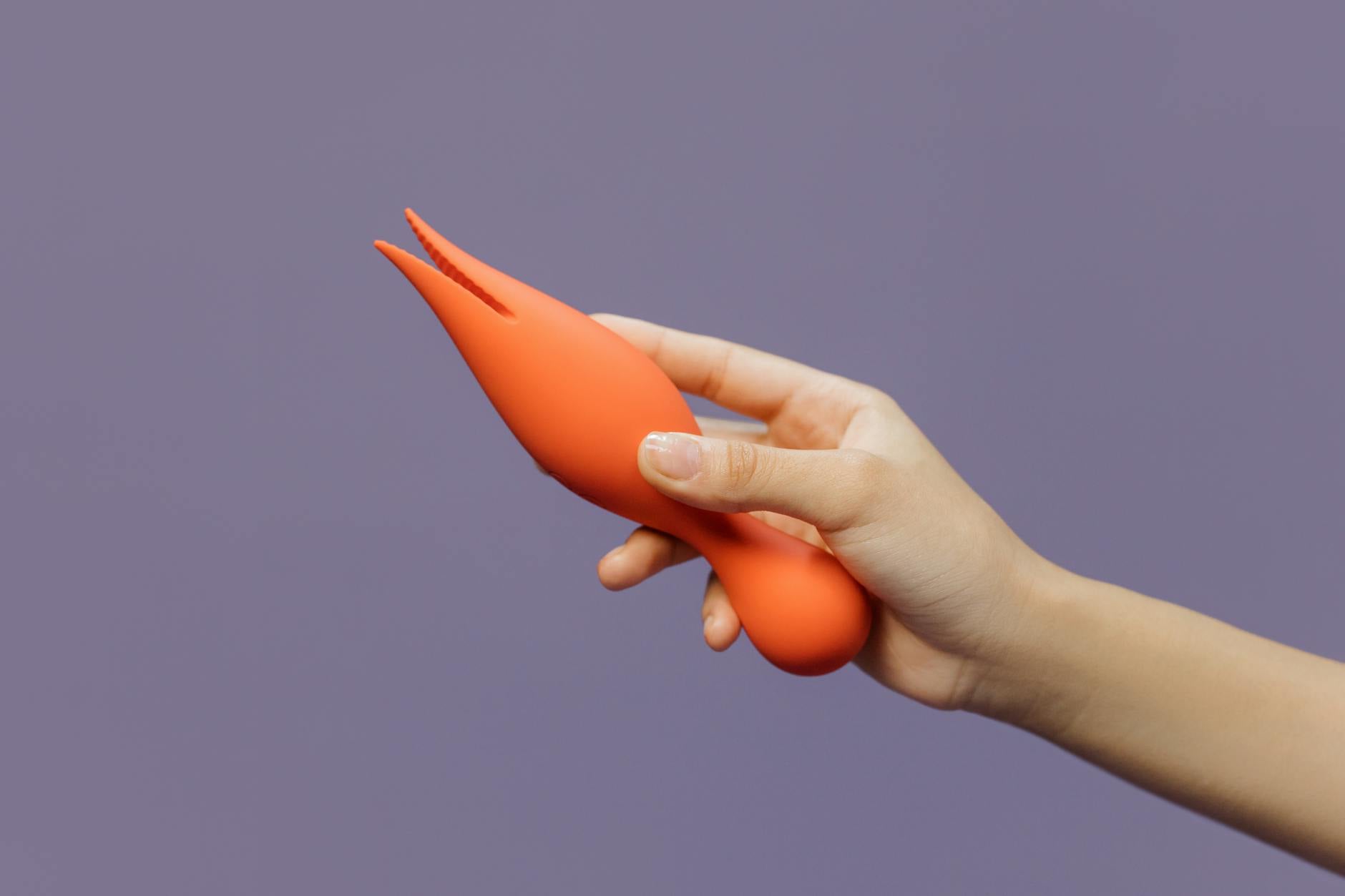
Lemon clitoral vibrators and lemon sucker toys meet you exactly where you are in that process. They're not a shortcut to passion. They're a bridge back to sensation. And there's a specific way to use them that honors your healing without forcing anything.
Why depression changes arousal (and why it comes back)
Depression affects dopamine and serotonin. Both are essential to sexual response. Low dopamine kills motivation and pleasure-seeking. Low serotonin tangles with mood, and mood is inseparable from desire. When you're depressed, your brain is literally not producing the chemicals that make sex feel rewarding. So you don't want it. Not because you're frigid or broken. Because your neurochemistry has shut that down as a survival mechanism.
When treatment kicks in, those chemicals begin to rebalance. But here's what people don't expect: the return isn't linear. Some days you'll feel a flutter of interest. Other days you'll feel nothing. That's normal. Your nervous system is recalibrating.
The second thing that complicates it is shame. Depression often arrives with a voice that says you're undesirable, that sex is a burden to your partner, that wanting pleasure is selfish. Even when the depression lifts chemically, that narrative lingers. And lemon vibrators help because they let you rebuild pleasure alone first. No performance. No partner pressure. Just you and sensation.
The first phase: getting reacquainted with sensation
Don't jump to orgasm mode. The first step is remembering what pleasure feels like at all. For someone coming back from depression, even mild pleasure is valuable data. It tells you something is shifting.
Start with a lemon clitoral vibrator on the lowest setting. The Lem vibrator uses suction technology, which means it stimulates without direct friction. That matters for people whose bodies have been through trauma or numbness, because you're not overloading your tissues. You're coaxing sensation back gently.
Set aside 10-15 minutes with no expectation. Not to orgasm. Not to "perform." Just to feel. Start on your vulva, fully clothed if that's easier. Notice where sensation is strongest. Notice where you might be numb. This is information. Some people find sensation returns faster around the clitoris. Others find they need to engage with the labia or inner thighs first. There is no wrong answer.
The beauty of Hello Nancy's lemon sexual toys is they come with multiple intensity levels. You're not locked into one experience. As your nervous system relaxes, you can turn up the intensity. But you don't have to. Some people spend weeks on pattern one and that's entirely fine.
The second phase: building tolerance and curiosity
Once sensation is coming back consistently, you can extend exploration time. Move from 10 minutes to 15 or 20. Let your body lead. Some days you might want to explore the lemon sucker vibrator on your vulva and stop there. Some days you might want to experiment with different patterns. Some days you might feel nothing, and that's also fine. Depression recovery is not linear.
This is when many people tell me they start feeling the first hints of excitement. Not frantic arousal. Just a small whisper of "oh, this feels sort of good." Hold onto that. Don't amplify it. Don't expect it to escalate into climax. Just let it exist.
You might notice you're more aroused on certain days. That's not random. That's your cycle, your medication, your stress level, and your mood intersecting. If you're interested, start paying attention to when arousal feels easiest. But if tracking feels like adding pressure, skip it.
If you have a partner, this is not the phase to involve them yet. This is your time to rebuild the connection to your own pleasure. That foundation matters. Once it's solid, inviting a partner becomes easier because you're not starting from zero. You already know what works for your body.
When to involve your partner (and how)
You don't owe anyone sex while you're healing. But you might want intimacy. Those are different things. You can be physically intimate without sexual performance. You can be present with a partner without expecting your body to do anything specific.
When libido starts returning, you might feel pressure to "make up" for months of not wanting sex. Don't. That pressure kills desire faster than anything. Instead, tell your partner something like: "I'm starting to feel arousal again. It's fragile and inconsistent. I want to rebuild this with you, but I need us to move slowly and without expectation."
Then, if you want to use lemon clitoral vibrators together, you can do that. Some people introduce their partner by letting them watch. Some people let their partner hold the toy. Some people do it side by side, each focusing on themselves. None of these is correct. Whatever feels least performative is right.
The one thing I always recommend: make sure conversation happens before you start. Not during. "I want to explore using a toy with you because I'm starting to feel aroused again and it helps me relax" is a healthy opener. Your partner might feel relieved. They might have thought your depression meant the end of physical intimacy. Knowing it's returning, and that you have a tool that helps, often feels like good news to them.
Managing the guilt and shame that can linger
Depression often leaves behind a residue of shame. You might feel guilty that your partner went without sex. You might feel embarrassed that you need a toy to rebuild arousal. You might worry that using lemon vibrators means something is permanently wrong with your sexuality.
None of that is true. Toys help. That's not a flaw in you. It's smart resource management. When you're rebuilding arousal after depression, a clitoral vibrator or lemon sucker gives you direct, predictable stimulation that your brain recognizes as pleasure. That helps your nervous system rewire. It's not cheating. It's not inadequate. It's healing.
The shame often fades faster when you name it. If you're using a toy and you feel embarrassed, that's just a thought. It doesn't mean you're doing anything wrong. Your pleasure matters. Using tools to reclaim it is an act of self-respect, not weakness.
What to expect in the months ahead
Desire won't return to some pre-depression baseline. It might be different now. Possibly deeper, because you've grieved its absence. Possibly more protective, because you're more aware of how fragile it can be. Possibly wilder, because you've given yourself permission to explore without judgment.
You might find that lemon adult toys become part of your sexual routine, or you might use them for a few months and then graduate past them. Both are fine. The goal isn't to become dependent on a toy. It's to use it as a bridge while your nervous system heals.
Some people find that as arousal strengthens, they need less intensity from the toy. Others find they want to explore new Hello Nancy products as their desire evolves. There's no endpoint you should be aiming for. Just a direction: more aliveness, more pleasure, more choice about what feels good.
People also ask
Is it normal for libido to come back slowly after depression treatment?
Completely normal. Neurochemistry takes time to rebalance. Even when your mood improves, arousal might lag by weeks or months. Some antidepressants also affect libido. If that's the case, talking to your doctor about timing or dosage adjustments is worth doing. But most of the time, patience is the answer. Slow return is still return.
Can I use a lemon vibrator if I'm still on antidepressants?
Yes. In fact, many people find clitoral vibrators helpful while medicated because the direct stimulation can help bypass some of the flattening effect of SSRIs. Some antidepressants do suppress libido more than others. If yours does significantly, that's a conversation to have with your prescriber. But using a lemon clitoral vibrator or lem vibrator isn't contraindicated with any standard antidepressant.
What if I use a toy and still feel nothing?
That's information, not failure. It might mean your neurochemistry still needs time. It might mean the particular toy isn't the right fit. It might mean you need to be alone, or in a different environment, or at a different time of day. Try once or twice more in different contexts. If nothing shifts, give it a few weeks and try again. Depression recovery has its own timeline.
Should I tell my therapist or psychiatrist that I'm using toys to rebuild arousal?
Yes, if you feel comfortable doing so. Mental health providers aren't shocked by this. In fact, many specifically recommend sexual self-exploration as part of recovery. It's data. If arousal is returning consistently, that's a good sign your treatment is working. If it's stuck, that's also useful information.
Can lemon vibrators help with depression-related numbness in other parts of my body?
They can help with genital numbness specifically, because the clitoral area is incredibly nerve-dense. But depression numbness is broader than that. If you're numb across your whole body, that's worth mentioning to your mental health provider. Sometimes that signals a need for dosage adjustment or a different medication approach. Toys alone won't fix whole-body anhedonia.
What if my libido returns and then dips again?
That happens. Recovery isn't linear. You might feel aroused for a few weeks and then drop back into flatness. That's not relapse. That's just how healing works. If the pattern concerns you, mention it to your doctor. But sporadic dips are normal. You rebuild. You dip. You rebuild again. Eventually the baseline shifts upward.
You're not broken, and you're not alone
When depression suppresses desire, it feels permanent. It feels like that's who you are now. Then one day you feel a flutter of want and you realize you're still in there. That person who loves pleasure. That person who deserves it.
Lemon vibrators aren't magic. They're just tools that make sensation easier to access when your nervous system is still healing. They give you permission to explore without pressure. They offer consistency when everything else feels uncertain.
Your libido is returning because your brain is healing. Trust that. Use the tools that help. And if you want to talk through the emotional piece with a partner or therapist, do that too. Pleasure is mental and physical. Both matter.
You're further along than you think.