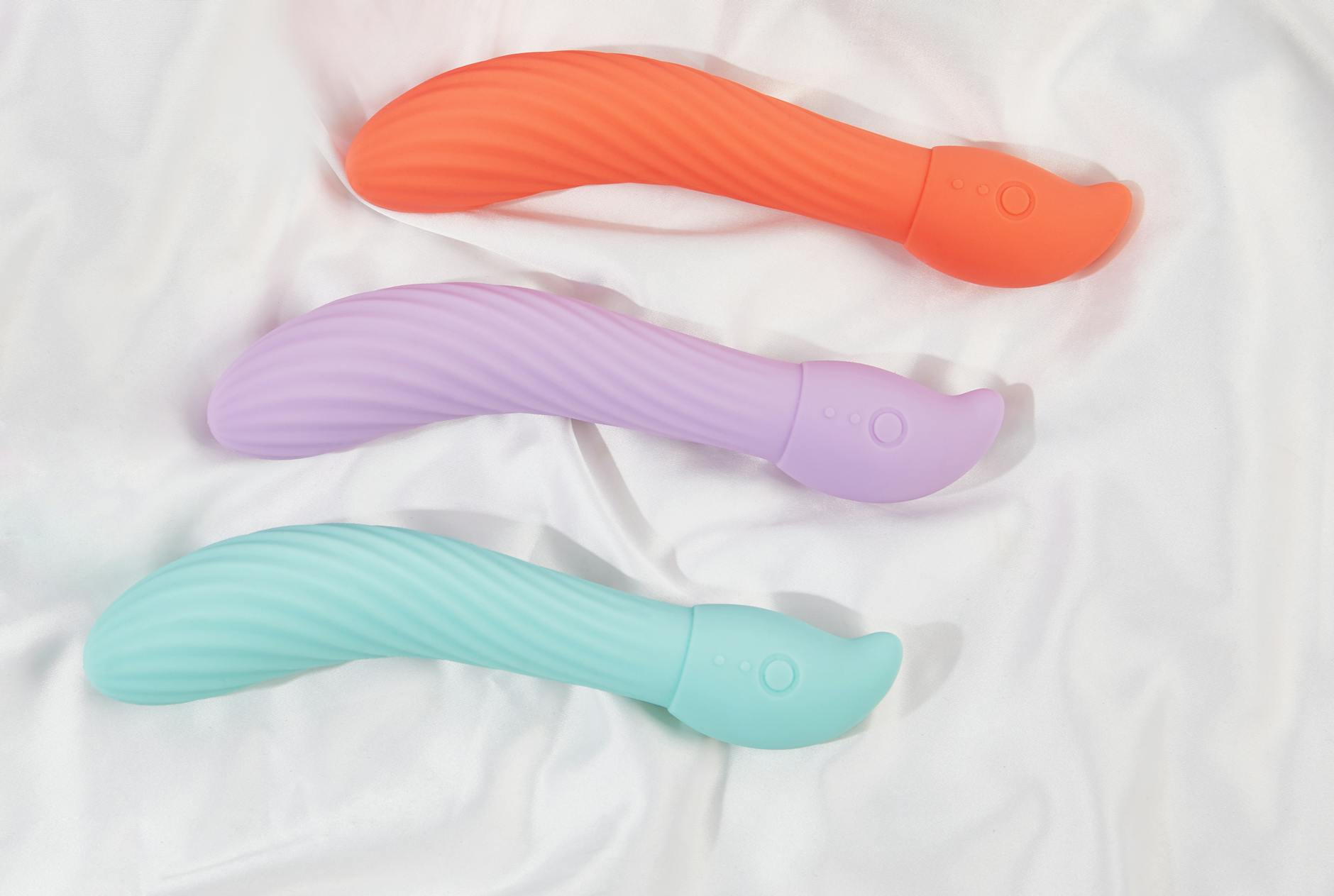
Let's talk about the timing shift nobody warns you about
You used to get there fast. Twenty minutes. Ten. Five if the conditions were right. Now it takes longer. Maybe 30 minutes. Maybe 45. Maybe it feels like forever.
Here's the thing: this is not a personal failure. Your body isn't broken. Something genuinely shifted.
What actually changes when arousal takes longer
Blood flow to the genitals takes longer to activate. The clitoris takes longer to swell. Lubrication ramps up more slowly. This can happen for three big reasons.
First, age and hormones. Estrogen and testosterone both influence how quickly blood vessels respond to stimulation. As these shift with life stages, menopause, or post-pregnancy recovery, the timeline extends naturally. Second, stress and cortisol. When you're carrying tension in your nervous system, your body deprioritizes arousal. It's a survival mechanism, not a libido problem. Third, relationship fatigue. Touching the same person the same way for years literally changes the neural pathway. Your brain stops registering it as novel.
None of these require you to accept slower pleasure as permanent. But they do require you to stop fighting the timeline and start working with it.
Why lemon vibrators are different when arousal is slow
Traditional vibrators rely on friction and direct pressure. That works beautifully when blood flow is already happening. When arousal is slower to build, you need something that wakes up nerve endings without waiting for the body to catch up first.
Lemon clitoral vibrators use suction and pulse patterns instead. This triggers the clitoris through gentle pressure waves rather than mechanical vibration. The result: stimulation that works before full arousal kicks in, which actually accelerates the entire process.
A lemon sucker like the Lem doesn't require you to be already turned on to feel good. It creates the sensation that then triggers arousal. That's the reversal that changes everything. You're not waiting for your body to cooperate. You're using the tool to invite cooperation.
The extended foreplay strategy
If arousal takes longer, stop calling it foreplay. It's not preliminary. It's the main event.
Budget 30 to 50 minutes of touch and stimulation before expecting orgasm. This isn't punishment. This is permission. When you know you have time, your nervous system relaxes. When your nervous system relaxes, arousal actually accelerates paradoxically.
Start with 10 minutes of non-genital touch. Hands, mouth, skin. Let your body register that something pleasurable is happening without jumping straight to the clitoris. Then move to the vulva with hands or tongue for another 10 minutes. Then introduce the lemon clitoral vibrator.
Start at the lowest setting. Many people jump to intensity level 3 or 4 right away. Wrong move when arousal is slow. Level 1 for 5 minutes. You're waking up nerve endings, not chasing orgasm yet. Level 2 for 5 to 10 minutes. Now you're building sensation. Only then do you move toward higher intensities if you want them.
This isn't slow sex. This is smart sex. You're using the timeline to your advantage instead of resenting it.
Mental prep matters as much as physical touch
Here's what most people miss: if your brain is in "hurry up" mode, your body will fight slower arousal. You'll blame the vibrator. You'll blame your partner. You'll blame yourself.
The actual blocker is mental resistance to the pace.
Before you touch yourself or your partner, spend 10 minutes doing something that quiets your mind. Not meditation if that makes you feel silly. A bath. A walk. Dancing to one song. Journaling. Something that pulls you out of the day and into your body.
Then decide: am I doing this for 15 minutes or 60? Once you decide, you release the pressure to perform. Your nervous system knows it has time. That's when everything changes.
If you're with a partner, tell them the timeline. "I'm going to take about 45 minutes to get there tonight." This removes the awkward checking in. They know what to expect. They can settle into the pace. You can stop performing and start feeling.
Using the Lem vibrator through the slower build
The Lem is specifically designed for longer play sessions because the suction pattern doesn't fatigue the same way traditional vibration does. You can use it for 20, 30, even 45 minutes without numbness or overstimulation.
Start with it on the lowest suction pulse, applied gently with a light hand. You're not pressing. You're resting it there. Let it do the work. Many people reflexively press harder when sensation isn't happening fast enough. Stop. That's fighting the pace again.
After 10 minutes at level 1, increase if you want. After another 10 at level 2, increase again. The pattern is progressive, not sudden. Your body gets time to register each level and decide if it wants more.
One specific hack: move the Lem slightly while keeping it on your clitoris. Small circles. Small side-to-side motions. This creates micro-variations that the clitoris finds interesting when the main stimulation is steady. It breaks up monotony without jumping to intensity.
When to involve your partner
If you're with someone, involve them in the longer timeline.
They can use hands on other parts of your body while you use the vibrator. They can kiss you. They can hold you. They can do nothing but be present. All of these matter because they remind your nervous system that this isn't solo performance. You're connected to someone.
Many couples make the mistake of thinking a vibrator means they exit the scene. Wrong. The lemon clitoral vibrator is a tool you're using together, even if they're not directly touching it. Their presence, their attention, their enthusiasm for your pleasure is part of the experience.
If you feel self-conscious about taking longer, communicate that directly. "My body's timeline shifted. I'm not frustrated. This is just how it works now." Most partners relax immediately when they understand this is normal, not a reflection on them or the relationship.
The counterintuitive part: more time often leads to better orgasms
Here's what I see clinically over and over: when people stop fighting slow arousal and start honoring it, their orgasms get better, not worse.
The extra buildup time creates deeper clitoral engorgement. The nervous system is more relaxed, so sensation registers more acutely. The pelvic floor has more time to engage properly. The entire experience becomes more embodied and less mechanical.
You might have fewer orgasms per session, but they're often more intense and more satisfying. That's the trade you're actually making. Not speed for nothing. Speed for depth.
A note on medication and arousal timing
Some medications genuinely slow arousal regardless of age or stress. Antidepressants, blood pressure meds, antihistamines. If you're on any of these and noticed the shift correlates with when you started them, talk to your prescriber about timing. Some meds are better taken at night so they're not peaking during your intimate window. Some have alternatives with fewer sexual side effects.
Don't assume slower arousal is permanent just because you're medicated. Sometimes adjustment is possible. When it's not, the extended timeline becomes your new baseline, and tools like lemon clitoral vibrators help you work with it beautifully.
The bigger picture: you're not behind
There's a cultural narrative that sex should be spontaneous, fast, effortless. That's fiction written for porn, not for real bodies with real timelines.
If arousal takes longer now, that's information. It's telling you something about what you need. More stimulation. More relaxation. More time. More presence from your partner. More permission to prioritize your own pleasure. Whatever it's telling you, it's worth listening to instead of fighting.
Lemon vibrators work best when you work with them, not against your body's actual rhythm. Give yourself the time. You deserve it.
People also ask
Why does arousal take longer as we age?
Estrogen and testosterone both influence blood flow speed and clitoral sensitivity. As these hormones naturally shift with life stages, the time it takes for blood to reach the genitals and for tissues to respond lengthens. Stress, relationship changes, and neural patterns also slow arousal timing. This is normal physiology, not a sign of dysfunction. Lemon clitoral vibrators work with this timeline by stimulating nerves directly rather than waiting for natural engorgement to happen first.
Can lemon vibrators actually speed up arousal?
Yes, but not in the way you might think. A lemon sucker doesn't make your body aroused faster. It creates pleasurable sensation before full arousal kicks in, which actually signals your nervous system to begin the arousal cascade. So you're not speeding up the biological process. You're jumpstarting it externally, which then activates the internal process. The net result is usually faster overall arousal, but the mechanism is the suction waking up nerves, not rushing hormones.
Is taking 30 to 45 minutes to orgasm normal?
Completely normal, especially as bodies change through life stages, relationship patterns shift, or stress levels increase. In fact, longer arousal timelines are common and often result in more intense orgasms. The cultural expectation of quick arousal is a myth. Give yourself permission to take whatever time feels right. With tools like lemon clitoral vibrators, the timeline becomes something you work with rather than fight against.
Should I be using lemon vibrators on lowest settings if arousal is slow?
Yes. Start at the lowest suction level and lowest pulse pattern. You're waking up sensation, not chasing intensity. Low settings allow your body to register pleasure before the stimulation becomes overwhelming. As arousal builds naturally, you can increase intensity. Most people find they need higher settings later in the session when the clitoris is fully engaged, but starting low honors the slower timeline and prevents numbness.
What if my partner gets impatient with longer arousal?
This is worth a direct conversation. Explain that the shift in your body's timeline isn't about them and isn't frustration. It's just how your arousal works now. Some partners actually prefer longer foreplay because it gives them more time to be connected and present. Frame it as an invitation to deepen your intimate time together rather than a problem to solve. When a partner understands this is normal physiology, resistance usually shifts to curiosity. <a href="/blog/how-to-talk-about-lemon-vibrators-with-your-partner">Talk about lemon vibrators with your partner</a> explicitly if you're planning to use them together during extended sessions.
Can stress permanently change how fast I become aroused?
Stress can absolutely change arousal timing temporarily or long-term depending on severity and duration. Chronic stress keeps your nervous system in sympathetic activation, which deprioritizes sexual response. But this isn't permanent damage. As stress decreases, arousal timing usually normalizes. In the meantime, tools like lemon clitoral vibrators help because they don't require you to already be aroused to feel good. <a href="/blog/how-to-use-lemon-vibrators-when-anxiety-affects-your-arousal">If anxiety is directly blocking arousal</a>, a combination of stress management and external stimulation often works better than either alone.