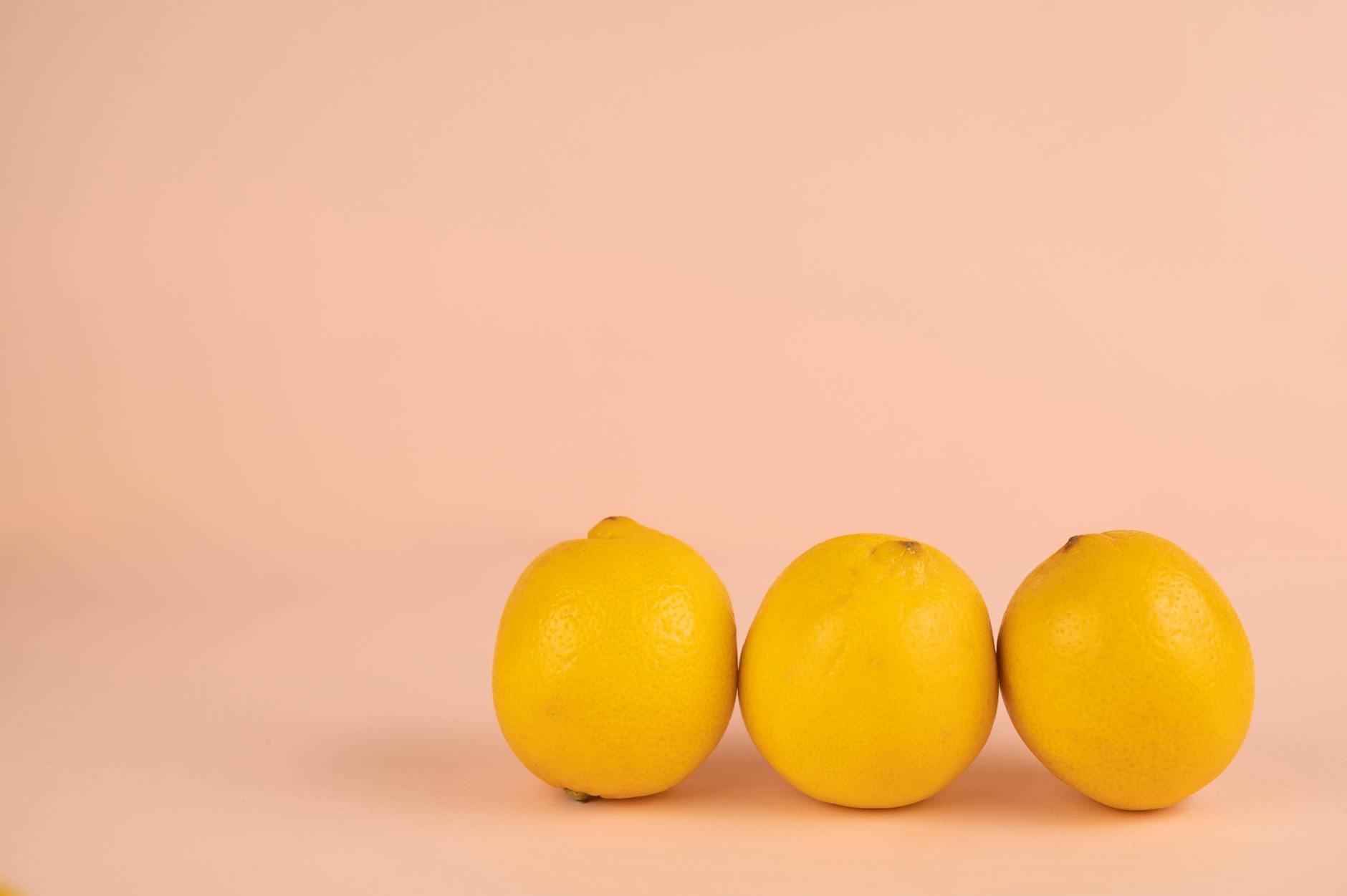
Here's what nobody tells you about your cycle and pleasure
Your clitoris doesn't feel the same all month. Neither does your baseline arousal, your sensitivity to touch, or how quickly you reach orgasm. These shifts aren't imaginary. They're tied directly to estrogen and testosterone fluctuations, and once you understand the pattern, you can actually use it.
Most people treat their lemon vibrator (or any toy) the same way every single time. Wrong move. Syncing your technique with your cycle turns out to be one of the fastest ways to improve sensation and orgasm consistency. Here's how.
Menstrual phase (days 1-5): Go lower intensity, longer foreplay
During your period, estrogen is at its floor and your pelvic floor is naturally more relaxed. Your clitoris might feel puffy or tender. This is the phase where you're most likely to skip pleasure entirely, but you don't have to.
What's happening: Blood flow to your genitals increases (period, remember), but nerve sensitivity is lower. Your body can handle stimulation just fine, but it takes longer to register. The sensation that would knock your socks off in the luteal phase might feel flat right now.
How to adjust your lemon vibrator approach: Start at pattern 1 or 2 on your Hello Nancy clitoral vibrator instead of jumping to 3 or 4. Take 20-30 minutes of warm-up time. Your body's not being slow. It's asking for patience. Many people find that direct suction-based stimulation feels better during menstruation than during other phases because it doesn't require the kind of penetration or friction that might feel uncomfortable. The Lem vibrator's suction design works particularly well here.
Use water-based lubricant generously, even if you're not penetrating. It reduces friction on already-sensitive tissue and makes everything feel warmer. Experiment with external clitoral massage rather than focused stimulation.
Follicular phase (days 6-13): Intensity ramps up naturally
Estrogen is climbing. Your baseline energy goes up. Your clitoris becomes less puffy and more responsive. This is the phase where your body starts asking for more.
What's happening: As estrogen rises, nerve sensitivity increases. You'll notice you can achieve orgasm faster and with less direct pressure. Your pelvic floor is also naturally more toned, which means contractions during orgasm might feel more pronounced. Many people report their most explosive orgasms happen in this window.
How to adjust your lemon vibrator approach: This is the time to experiment with higher patterns (4-6 range on your device). Your body can actually handle the intensity. Layer in different patterns rather than staying on one. Try using your lemon sucker for 10-15 minutes of arousal, then switching patterns mid-session. This phase tolerates variety better than others.
Some people also find that this phase is ideal for partner play if that's in your world. Your natural lubrication increases, you're more likely to want external stimulation, and your body recovers faster between orgasms. It's not coincidence. It's neurobiology.
Ovulation phase (days 14-16): Peak sensitivity and desire
This is the real peak. Testosterone spikes alongside estrogen. Your body is literally signaling "go." Your clitoris is maximally sensitive. You can orgasm faster, harder, and often in multiples.
What's happening: This is when everything works. Nerve sensitivity is at its highest for the entire cycle. Your body's natural lubrication is most abundant. Your baseline desire is elevated because your brain is flooded with neurotransmitters designed to make pleasure feel essential, not optional. This is also when you're most likely to crave sensation, novelty, or intensity.
How to adjust your lemon vibrator approach: You can push here. Higher patterns. Longer sessions if you want them. Your body is built for it. Some people actually switch to different toys during this phase because their go-to lemon vibrator feels less novel. Others use this window to explore multi-phase sessions (multiple orgasms in rapid succession), which is significantly easier during ovulation. You might also discover that you want partner involvement during this window specifically. Your body is signaling loudly.
This is also the phase where you can experiment with sensation play around the toy rather than just direct use. Try edging (building and backing off repeatedly). Try combining your lemon clitoral vibrator with other forms of touch. Your body has the bandwidth for complexity that might feel overwhelming in other phases.
Luteal phase, early (days 17-21): Still high sensitivity, shifting emotional texture
Estrogen dips slightly but is still relatively high. Progesterone climbs. Your body is moving out of peak arousal mode but isn't in withdrawal yet.
What's happening: You're still plenty sensitive. Orgasms are still achievable. But you might notice your pleasure is less about intensity and more about emotional connection or novelty. Your body is less interested in pure sensation and more interested in context. If you're partnered, you might crave more intimacy and less just-get-me-there mechanics. You're also more likely to be aware of sensations in your body beyond just your clitoris.
How to adjust your lemon vibrator approach: Your body still handles direct intensity, but you might find yourself drawn toward slower patterns, longer warm-up, or combination play (vibrator plus partner touch, for example). This is a good phase to experiment with positioning. Try using your device while lying on your back versus your stomach versus side. The angle changes how the suction feels, and you're neurologically more aware of those micro-adjustments right now.
If you're using a Hello Nancy clitoral vibrator in this phase, you might find that pattern 3 or 4 hits differently than during ovulation. Not worse. Just different. More meditative, less frantic. Honor that shift.
Luteal phase, late (days 22-28): Intensity dips, patience pays off
Progesterone is high. Estrogen is tanking toward its monthly low. Your baseline energy and motivation are dropping. Orgasm takes longer. That's not failure. That's your neurochemistry.
What's happening: This is often when people assume something is wrong with them or their relationship. Nothing is. Your body is in a different mode. Serotonin dips, which means pleasure feels less automatic. You need more stimulation to reach threshold. Your body is also more internally focused (which is why sleep, food, and mood matter more right now). Your clitoris is less responsive not because you're broken but because your hormonal environment is literally different.
How to adjust your lemon vibrator approach: Go back to longer foreplay. Give yourself 30-40 minutes if you want to orgasm. Use lower patterns for warm-up (1-3) and then build. Your body might actually prefer the suction-based stimulation of a lemon vibrator or Lem device more in this phase because suction requires less active participation from your nervous system. It's more passive, more meditative. Your body appreciates that right now.
This is also the phase where context matters most. Stress, mood, partner dynamics, and sleep quality dramatically affect your pleasure. A lemon clitoral vibrator can't override a bad day. But it can help you access pleasure if you're willing to create the space for it. That space is the real work.
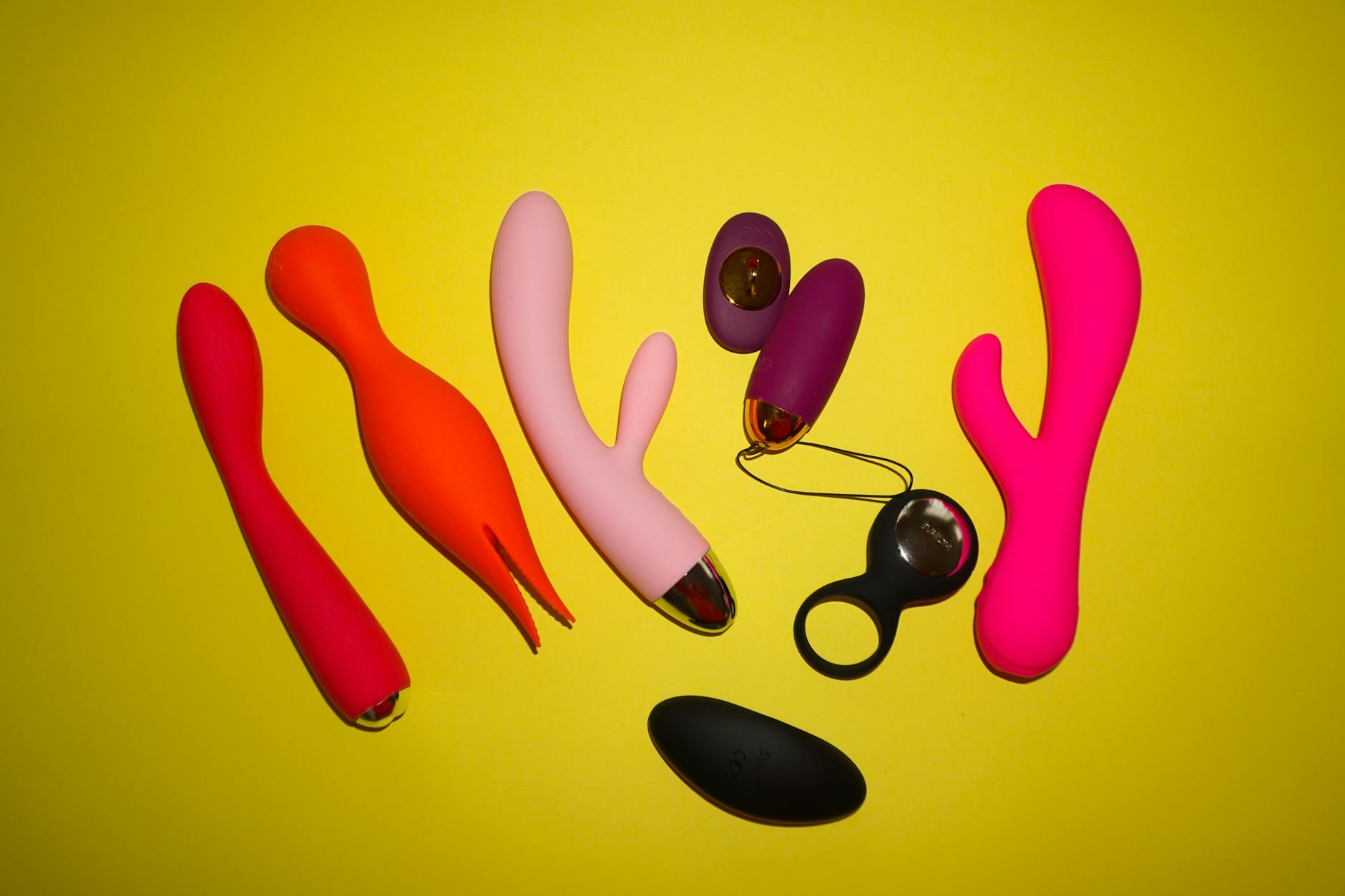
Photo by FounderTips . on Pexels
Tracking your own pattern (the real magic)
Every body is different. These phases are real, but the intensity and timing shift from person to person. The fastest way to dial in your lemon vibrator use is to actually track what works.
For two cycles, write down one sentence after pleasure: what pattern felt best, how long warm-up took, what you needed context-wise. You don't need an app. A notes note on your phone is fine. After two months, you'll have a map of your own body's cycle. That map is worth more than any generic guide because it's yours.
You might discover that your ovulation phase is twice as intense as this guide suggests. Or that your luteal phase is way more responsive than expected. Or that you don't have a strong cycle-based shift at all (also valid). The point is knowing your actual pattern, not guessing.
Using the right tool for the job
If you're cycle-syncing your pleasure, having a versatile lemon vibrator matters. The Lem vibrator's range of suction patterns and intensity levels makes it ideal for this kind of month-long experimentation. You can start gentle and build, or dive straight into intensity. That flexibility is exactly what you need when your body's requirements are constantly shifting.
Water-based lubricant is also non-negotiable here. Different phases need different lubrication, and a good water-based formula works across all of them without degrading silicone toys.
Closing thought
Your cycle isn't a limitation on pleasure. It's actually detailed instructions on how to access it more reliably. Once you stop fighting your body's monthly rhythm and start working with it, orgasms get easier, sensation gets clearer, and pleasure becomes less dependent on luck and more dependent on information. And information is power.
People also ask
Can I use my lemon vibrator during my period safely?
Yes, completely. Many people find that using a clitoral vibrator during menstruation actually reduces cramping because orgasms increase blood flow and relax the uterus. Start with lower patterns and more lubrication. Your body is more sensitive, not injured. The Lem vibrator or any Hello Nancy lemon clitoral vibrator works fine. Just use plenty of water-based lubricant and listen to your comfort level.
Does my sensitivity to lemon vibrators really change month to month?
Yes. Estrogen directly affects nerve sensitivity and arousal response. During the follicular and ovulation phases, your clitoris becomes measurably more sensitive. During menstruation and late luteal phase, it's less so. This isn't psychological. It's hormonal. So if your lemon sucker feels amazing one week and flat the next, your body isn't broken. Your hormones are just different.
What if my cycle doesn't follow the standard 28-day pattern?
Cycle syncing still works, just with different timing. Track your actual cycle (the length between periods) and map your phases accordingly. If your cycle is 32 days, your ovulation and luteal phases are just longer. The phases themselves still exist. The same lemon vibrator technique adjustments apply. Just follow your actual cycle, not the textbook one.
Is it normal to want different intensities at different times?
Completely normal. Wanting pattern 2 during your period and pattern 6 during ovulation isn't picky. It's your nervous system responding to hormonal reality. That's actually information worth trusting. It means you're tuned in to what your body actually needs, not what you think you should want.
Can cycle syncing help if I have irregular periods?
It can help, but the classic pattern might be harder to pin down. Focus on how your body feels rather than calendar dates. Track arousal, sensitivity, lubrication, and orgasm ease for two or three cycles. You'll find your own pattern, even if it's not perfectly regular. Many people with irregular cycles still have predictable sensitivity shifts. You just have to observe them.
Should I tell my partner about my cycle syncing?
If you're partnered and they're involved in pleasure, absolutely. Knowing that you need 20 minutes of warm-up during menstruation but can get there in five minutes during ovulation helps them actually help you. It's not complicated. It's just information. And information makes everything better.