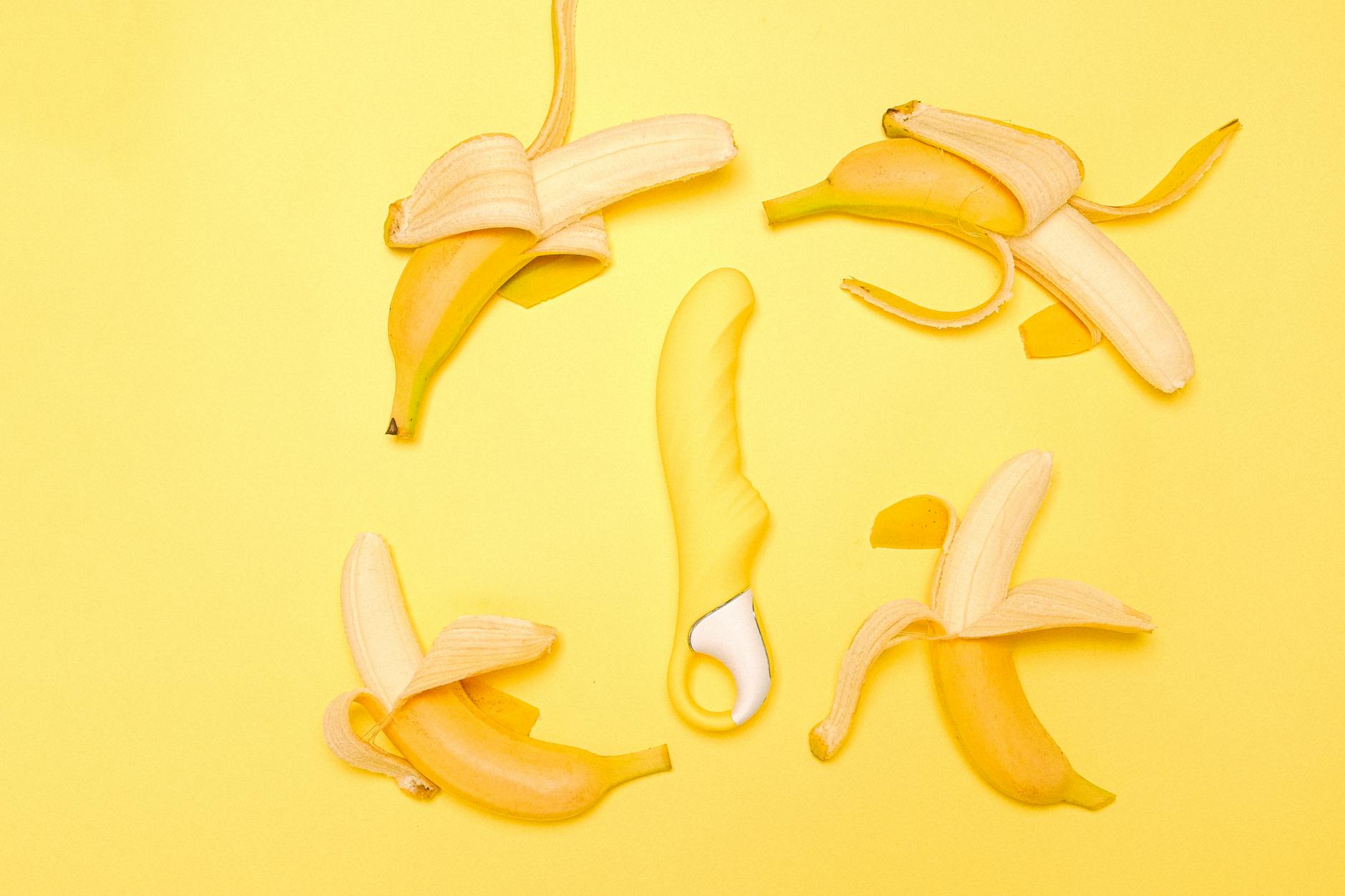
Here's the thing nobody tells you
Sensitivity isn't fixed. Your clitoris doesn't wake up the same way every month, every year, or even every week. Hormones shift it. Stress dampens it. What felt perfect last year might feel too intense now. And most vibrator guides act like everyone wants the same thing, which is why so many people buy a lemon vibrator, lemon sucker, or clitoral vibrator and then it sits in a drawer because it misses the mark.
I work with couples and individuals on rebuilding intimacy after transitions. The number one reason pleasure tools end up abandoned? Mismatch between the device's intensity and the actual body using it. You picked wrong. Not because you're broken. Because nobody gave you the language to figure out what "right" even means.
The sensitivity spectrum isn't a line, it's a landscape
Let's start with the basic truth: clitoral sensitivity exists on a spectrum, and you're not in the same spot every day. Some people are highly sensitive and need a gentle approach. Some barely feel standard vibration and need serious, rumbly power. Most of us bounce between both depending on stress, hormones, what we've been doing, and who we're with.
When I ask clients about sensitivity, I'm really asking three questions: How easily does sensation register? How quickly does it become too much? And what kinds of sensation actually land for you right now?
Understanding your baseline sensitivity
Start here. Forget vibrators for a moment. How does your body respond to touch in general?
If gentle pressure during foreplay feels sharp or raw, or if you instinctively pull away from sustained contact, you're likely on the sensitive side. This doesn't mean you can't have intense pleasure. It means direct, constant pressure might feel overwhelming. Air-suction technology, like what you get in a lemon vibrator or lemon sucker, often works beautifully for sensitive bodies because it stimulates without the same mechanical friction as vibration alone.
If you need significant pressure or vigorous movement to feel much of anything, you're probably on the robust side. You might have become less responsive recently due to stress, medication, or hormonal shifts. Or this might just be how your nervous system is wired. Either way, high-power clitoral vibrators, rumbly devices, and sustained patterns tend to be your friends.
If you're genuinely unsure, the answer is probably: it depends on the day.
Why your sensitivity changes (and what that means for choosing)
Three major factors shift your sensitivity throughout life.
Hormonal cycles. If you menstruate, clitoral sensitivity typically peaks during ovulation (when estrogen peaks) and drops in the luteal phase. Some people are ultra-sensitive right before their period. Some feel barely a thing during menstruation itself. Track this for two months. You'll see a pattern.
Age and life transitions. How to Use Lemon Vibrators When Menopause Changes Sensation covers the big one, but sensitivity shifts happen throughout life. Pregnancy changes it. Pelvic floor tightness changes it. Returning to activity after a long break changes it.
Stress and nervous system state. When you're anxious or overwhelmed, your nervous system tightens. That tightness makes you either hypersensitive to input (everything feels too much) or numb to it (nothing registers). How to Use Lemon Vibrators When Anxiety Interferes With Arousal dives deeper, but the short version: stress is a sensitivity killer.
The intensity framework for lemon vibrators and clitoral vibrators
When you're looking at lemon vibrators or any clitoral vibrator, think in three buckets: gentle, moderate, and intense.
Gentle vibration (think a soft hum rather than a buzz) works best for highly sensitive people, anyone recovering from an injury or surgery, and people in a heightened nervous state. Air-suction devices and low-frequency vibrators fit here. Many lemon sexual toys are engineered with this in mind. Start at pattern one, build slowly.
Moderate vibration (a steady, medium buzz) is the comfortable middle for most people most of the time. Not floaty, not overwhelming. Just solid stimulation that builds arousal without feeling abrasive. This is where you land if you're sensitive most of the time but feel responsive when you're relaxed and present.
Intense vibration (high-frequency, rumbly, or rapid-fire patterns) is for people with naturally robust sensitivity, those who need serious stimulation to feel anything, or anyone who's warmed up over a long session and wants to push sensation higher.
The trap: buying intense thinking you'll grow into it. You won't. You'll just feel broken.
Matching device type to your sensitivity
Lemon Vibrators Shop offers several lemon vibrators designed for different sensitivity profiles. Here's how to think about them:
Air-suction clitoral vibrators (like the Lemon Clitoral Vibrator) use pulsed air to create a sucking sensation rather than direct vibration. This is phenomenal for sensitive bodies because air doesn't feel abraded. It feels more like a massage, less like a tapping sensation. If you're healing from something, if you're hypersensitive, or if you've never used a lemon sucker before, start here.
Standard vibrators (medium-power, varied patterns) work for people with moderate sensitivity or anyone who's warmed up and knows what they like. Most clitoral vibrators in the market fall here. They're versatile. You can lower the intensity if needed.
High-power, rumbly devices are for people who want serious sensation or have genuinely robust clitoral sensitivity. These aren't entry-level. They're "I know what I want and I want it strong" tools.
The warm-up effect is real
One of the biggest mistakes I see: choosing a device based on how you feel in a cold moment (sitting at your desk, reading reviews) instead of how you feel when you're actually aroused.
Your sensitivity changes as arousal builds. Blood flows to your clitoris. The tissue swells. What felt too intense five minutes ago might feel just right now. This is why starting with low intensity, even if you think it's not enough, is smart. You get to adjust up as your body responds.
If you've purchased a lemon vibrator and felt like it wasn't working, the device might be fine. Your nervous system might just not have been ready for it. Longer foreplay. More relaxation. Dimmer lights. That changes everything.
How to actually test sensitivity at home
You don't need a gadget for this. Use your fingers.
Start with one fingertip, very light pressure on your clitoris. Note how that feels. Not much? Move to two fingers, slightly more pressure. Still nothing? Try a circular motion. The goal isn't to find the magic button. It's to figure out: What kind of pressure and movement gets a response right now?
Then note what's true in that moment. Are you stressed? Tired? Aroused already? On a certain cycle day? Your answers matter because they tell you what device to pick and how to use it.
Practical decision tree
If you're highly sensitive to touch overall, or if you're healing from something, or if direct vibration has ever felt sharp: go gentle. Air-suction or low-vibration lemon vibrators.
If you feel responsive but need time to warm up, or if you're not sure where you land: go moderate intensity with adjustable patterns.
If you know you need serious power, or if you've used strong vibrators before and felt amazing: go for rumbly, high-intensity devices.
If you feel numb or nothing registers: that might be stress, medication, or a nervous system thing, not a device thing. How to Use Lemon Vibrators When You Feel Numb During Sex explores this further.
Revisiting sensitivity as life changes
Your answer today isn't your answer in six months. You might get a lemon clitoral vibrator that's perfect now and find in a year it feels different. That's not failure. That's your body changing. The point of understanding your sensitivity isn't to pick one device and never reconsider. It's to know how to listen to your body and adjust.
If something stops working the way it did, it's worth asking: Did the device change, or did I change? Usually it's you. And that's the moment to explore what your body wants now.
Frequently asked questions
How do I know if my sensitivity is temporary or permanent?
Temporary sensitivity shifts usually have a trigger. Stress, hormones, medication, or recent life change. If you can identify the trigger and it resolves, sensitivity often bounces back. Permanent sensitivity shifts tend to be gradual and stick around. Either way, the response is the same: pick a device that works for how you feel right now, not how you think you should feel.
Can I use a strong vibrator on the lowest setting if I'm sensitive?
Yes, but carefully. High-power devices, even on low settings, often pulse with a different frequency than devices actually designed for gentle stimulation. If you love everything else about a strong vibrator, try it on the lowest pattern. But if it still feels wrong, the issue might be the base design, not the intensity level. Go with something engineered for sensitivity instead.
Does sensitivity change after using vibrators regularly?
This is the "does masturbation cause nerve death" question dressed up differently. The answer is no, but here's what does happen: you get desensitized to one specific sensation if you use the exact same pattern every single time. Switch up patterns, take breaks, vary what you're doing. Your sensitivity bounces back.
Is sensitivity different from difficulty reaching orgasm?
Completely. You can be highly sensitive but take a long time to orgasm. You can have robust sensitivity and come quickly. You can feel almost nothing but still come from deep stimulation or psychological input. Sensitivity and orgasm are separate systems. When choosing a lemon vibrator or any clitoral vibrator, think about sensitivity, not about what will make you come fastest. The orgasm part usually follows.
Should I use lube with sensitive clitoral vibrators?
Water-based lube is fine and often helpful, especially with air-suction devices. It helps the device seal better. Skip lube if it makes things feel messy or if you're already well-lubricated naturally. It's optional, not essential.
What if sensitivity feels like numbness or pain?
That's worth investigating with a healthcare provider. Numbness can signal nerve issues, medication side effects, or pelvic floor dysfunction. Pain can be similar. Picking the right vibrator helps once those are ruled out, but they're worth checking first.
The bottom line
Your clitoris isn't broken. Lemon vibrators, lemon sexual toys, and clitoral vibrators aren't magic. But matching the tool to your actual body and actual nervous system right now? That's where pleasure opens up. Pay attention to how you respond. Give your choices time. And know that what works today might be different tomorrow. That's not a failure. That's you listening to yourself.
If you're ready to explore what works for your sensitivity level, we're here to help. Get in touch and we can talk through what might feel right.